
Weathering the Blackout: A Deep Dive into Generator Set Critical Power Failure Scenarios
Imagine the scene: a fierce storm rages outside, and suddenly, the city grid goes dark. For a hospital, a data center, or a critical manufacturing plant, this is the moment of truth. The hum of the backup generator is the sound of continuity, safety, and security. But what happens when that hum never starts? The silence that follows is more than just an inconvenience; it's a catastrophe in the making. This is the reality of a critical power failure, and frankly speaking, it happens more often than you'd think.
The reliability of a backup power system isn't just about having a generator on-site. It's about understanding the complex web of potential issues that can bring it to its knees at the worst possible moment. In my experience, facilities that are truly prepared are the ones that have deeply analyzed and planned for various generator set critical power failure scenarios. This article is your guide to navigating those scenarios, moving from the most common culprits to the unforeseen threats that can compromise your entire operation.
The Anatomy of a Critical Power Failure
It's worth noting that a critical power failure isn't just a utility outage. A true critical failure is a two-part disaster: the primary power source is lost, and the secondary (backup) power source fails to engage and carry the load as intended. This double-failure event is what turns a manageable problem into a full-blown crisis. The consequences are immediate and severe, rippling through an organization with devastating effect.
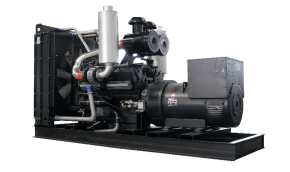
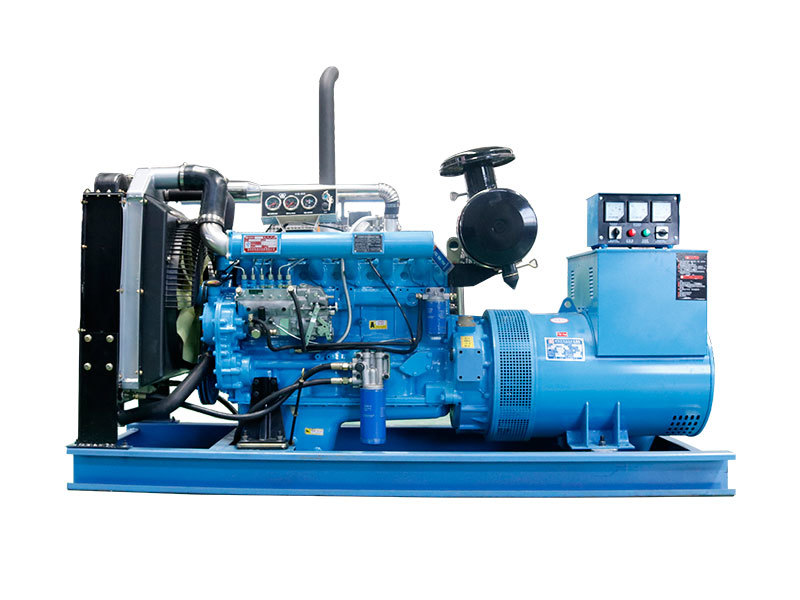
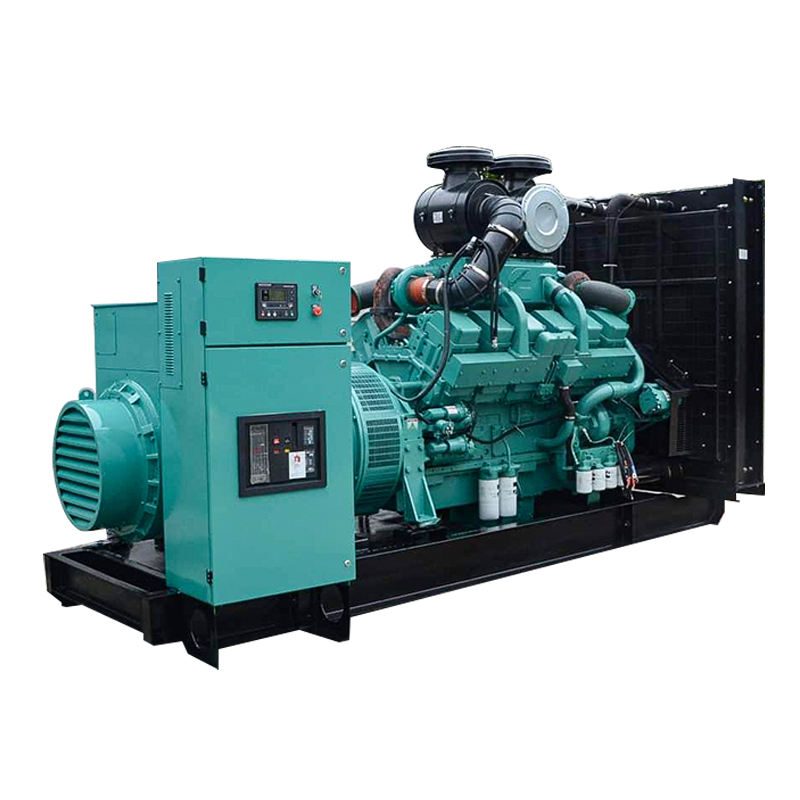
In healthcare, it can mean life-support systems shutting down. For a data center, it translates to massive data loss, service outages, and a catastrophic loss of customer trust. In an industrial setting, an abrupt shutdown can damage millions of dollars worth of equipment and halt production for days. The generator set, comprising the engine, alternator, control systems, and fuel supply, is the last line of defense. When it fails, there's nowhere left to turn.
To be honest, many people view a generator as a simple engine that just needs fuel to run. This oversimplification is dangerous. A modern generator set is a sophisticated ecosystem of mechanical, electrical, and digital components. A failure in any single part, no matter how small, can render the entire system useless. Understanding this complexity is the first step toward building genuine resilience.
Common Generator Failure Modes: Why Backups Don't Always Kick In
When a generator fails to start or take the load, the cause is rarely a complete surprise to a seasoned technician. Most failures stem from a handful of recurring, and largely preventable, issues. Let's break down the most frequent offenders that lead to generator set critical power failure scenarios.
Fuel System Failures: The Silent Killer
An engine can't run without clean, quality fuel, yet the fuel system is one of the most neglected components. Over time, diesel fuel degrades. Water condensation can lead to microbial growth (the infamous "diesel bug"), which creates sludge that clogs fuel filters and injectors. It's a slow-moving problem that becomes acutely apparent only when the generator is called upon.
- Contamination: Water, sediment, and microbial growth are the primary enemies. Regular fuel testing and "polishing" (filtering) are essential.
- Clogged Filters: A generator that starts and then dies a few minutes later is often a victim of a clogged fuel filter starving the engine.
- Empty Tank: It sounds absurdly simple, but faulty fuel level sensors or sheer human oversight can lead to an empty tank when you need it most.
Many experts agree that over 50% of generator failures can be traced back to fuel quality issues. It's a ticking time bomb sitting in your fuel tank.
Battery and Starting System Issues
Have you ever wondered what the single most common reason for a generator failing to start is? It's the battery. The starting system is the heart of generator readiness. A weak or dead battery means the engine will never turn over, no matter how pristine the rest of the system is.
The primary culprits here are sulfation (the buildup of lead sulfate crystals on the battery plates), loose or corroded connections, and malfunctioning battery chargers. A charger that overcharges will boil the electrolyte, while one that undercharges will allow the battery to slowly die. Regular specific gravity checks, terminal cleaning, and load testing of the batteries are non-negotiable parts of any serious maintenance plan.
Cooling System Malfunctions
A generator engine produces an immense amount of heat. The cooling system's job is to dissipate that heat to prevent the engine from overheating and seizing. A failure here can cause catastrophic damage in a matter of minutes. Common issues include:
- Low Coolant Levels: Caused by leaks in hoses, the radiator, or the water pump.
- Blocked Radiator: Dirt, dust, and debris can clog the radiator fins, severely reducing their ability to cool.
- Faulty Components: A broken fan belt, a stuck thermostat, or a failing water pump can all lead to rapid overheating under load.
Control Panel and ATS (Automatic Transfer Switch) Glitches
If the engine is the muscle, the control panel and Automatic Transfer Switch (ATS) are the brain and nervous system. The ATS detects the loss of utility power and signals the generator to start. Once the generator is stable, the ATS switches the building's electrical load from the grid to the generator. A failure in this intricate dance means the power never gets transferred. Issues can range from faulty sensors and relays to software bugs or a complete mechanical failure of the switch mechanism itself. This is where robust emergency power system testing becomes vital, as it's the only way to verify that this critical handover works seamlessly.
Beyond the Obvious: Unforeseen Scenarios
While mechanical and electrical faults are common, some of the most challenging generator set critical power failure scenarios arise from less predictable sources. These are the threats that require a more holistic view of your emergency power strategy.
Human Error and Negligent Maintenance
Interestingly enough, the most sophisticated generator can be defeated by a simple human mistake. This could be an operator leaving a control switch in the "Off" or "Manual" position after testing, preventing it from starting automatically. It could be a maintenance schedule that is consistently ignored, allowing small problems to fester into major failures. I've found that a lack of proper training, unclear procedures, and a culture of complacency are often the root causes of failures attributed to the machine itself.

Environmental Factors
Your generator doesn't operate in a vacuum. Its location and the surrounding environment can pose significant threats. A generator located in a basement is vulnerable to flooding. One installed in a dusty industrial area might suffer from a clogged radiator and air filters. Extreme cold can cause fuel to gel and batteries to lose their charge, while extreme heat can push the cooling system beyond its limits. A robust plan must account for these environmental risks, with solutions like block heaters for cold climates or enhanced ventilation for hot ones.
Load Mismatch and "Wet Stacking"
It might seem counterintuitive, but running a diesel generator under a very light load is incredibly damaging. This condition, known as "wet stacking," occurs when the engine doesn't reach its optimal operating temperature. Unburnt fuel and soot can build up in the exhaust system, leading to reduced efficiency, increased emissions, and eventually, engine damage. This is a common problem in facilities where the generator was oversized or where the critical loads have changed over time. The primary solution is regular load bank testing, where an artificial load is applied to the generator, allowing it to run at its full capacity and burn off these harmful deposits.
The Proactive Approach: Mitigating Risks and Ensuring Reliability
Preventing failure is not about luck; it's about a disciplined, proactive strategy. Simply having a generator is not enough. You must actively manage its readiness through a comprehensive program built on maintenance, testing, and smart design.
Developing a Robust Maintenance and Testing Protocol
A detailed maintenance plan, compliant with manufacturer recommendations and industry standards (like those from the NFPA), is the foundation of reliability. This isn't just an annual check-up. It's a multi-layered schedule of inspections and tasks:
- Weekly: Visual inspections, checking fluid levels, and a brief no-load run test.
- Monthly: Battery and charger checks, and a test under at least 30% of the rated load.
- Annually: A comprehensive service including changing oil and filters, flushing the cooling system, and performing a full load bank test for several hours.
This rigorous testing is the only way to have confidence that your system will perform under the stress of a real outage.
The Power of Remote Monitoring and Predictive Maintenance
Modern technology offers powerful tools for staying ahead of failures. Remote monitoring systems can track dozens of parameters in real-time—from fuel levels and battery voltage to engine temperature and oil pressure. These systems can send instant alerts to facility managers or service providers the moment a parameter goes outside its normal range. This shifts the paradigm from reactive repairs to predictive maintenance, allowing you to fix a problem before it can cause a failure during an emergency. This is particularly crucial for complex backup power solutions for data centers and other 24/7 operations where downtime is not an option.
Redundancy: The N+1 Philosophy
For the most critical applications, relying on a single generator is an unacceptable risk. This is where the concept of redundancy comes in. The "N+1" philosophy means having at least one more generator (the "+1") than is required to support the facility's critical load ("N"). If one generator fails or needs to be taken offline for maintenance, another is immediately available to take its place. Mission-critical facilities like major hospitals and hyperscale data centers often employ N+2 or even 2N redundancy, creating multiple layers of protection to ensure continuous power no matter what.
Ultimately, preparing for generator set critical power failure scenarios is an ongoing commitment. It requires investment, expertise, and a relentless focus on detail. But when the grid fails and your facility remains a beacon of light and operation, you'll know that every bit of effort was worth it. Is your critical facility truly prepared for the moment the lights go out?
For more detailed information, please visit our official website:generator set critical power failure scenarios
About the author: David Chen is a Certified Power Generation Technician with over 15 years of hands-on experience in designing, installing, and maintaining critical power systems for data centers, hospitals, and industrial clients. He specializes in failure analysis and developing robust preventative maintenance programs to ensure maximum uptime. David is passionate about helping organizations build true resilience against power disruptions and is a frequent contributor to industry publications on emergency power reliability.