
Genset 101: The Ultimate Guide to Understanding, Choosing, and Maintaining Generator Sets
Let’s be honest: power outages are more than just an inconvenience. Whether you’re running a hospital, a construction site, or simply trying to keep your home fridge running during a storm, a reliable genset (short for generator set) can be a game-changer. But with so many types, sizes, and fuel options available, how do you choose the right one?
In this guide, I’ll break down everything you need to know about gensets—from how they work to how to maintain them—so you can make an informed decision. And trust me, by the end, you’ll feel like a genset pro.
What Is a Genset, and How Does It Work?
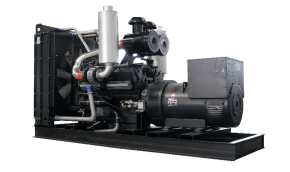
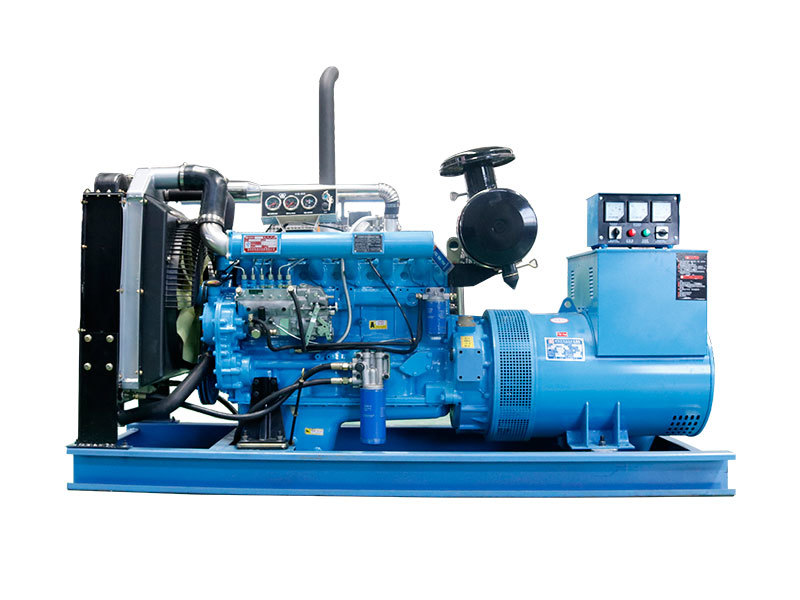
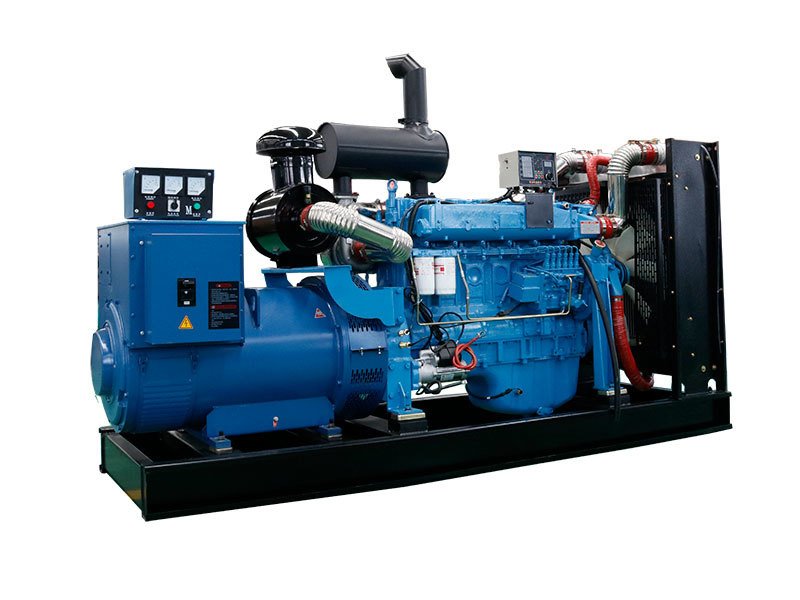
At its core, a genset is a combination of an engine and an alternator (or generator) designed to produce electrical power. The engine—typically powered by diesel, gasoline, natural gas, or even solar—drives the alternator, which then converts mechanical energy into electricity. Simple, right? But there’s more to it.
The Key Components of a Genset
To really understand how a genset functions, let’s look at its main parts:
- Engine: The heart of the genset. Diesel engines are the most common for industrial use due to their durability, while gasoline engines are often found in smaller, portable units.
- Alternator: This is where the magic happens. The alternator takes the mechanical energy from the engine and turns it into electrical energy through electromagnetic induction.
- Fuel System: Includes the fuel tank, fuel pump, and injectors. The size of the tank determines how long the genset can run without refueling.
- Cooling System: Gensets generate a lot of heat. Air-cooled systems are common in smaller units, while liquid-cooled systems are used in larger, industrial gensets.
- Exhaust System: Directs fumes away safely. This is critical for indoor or enclosed spaces to prevent carbon monoxide poisoning.
- Control Panel: The brain of the operation. Modern gensets come with digital control panels that monitor voltage, frequency, and fuel levels.
I’ve found that many people overlook the importance of the control panel, but it’s what keeps your genset running efficiently—and safely. A good control panel can alert you to issues before they become major problems.
How Does a Genset Generate Electricity?
Here’s a quick step-by-step breakdown:
- The engine burns fuel (diesel, gas, etc.) to create mechanical energy.
- This energy spins the alternator’s rotor inside a stator (a stationary set of conductors).
- The movement of the rotor creates a magnetic field, inducing an electrical current in the stator.
- The control panel regulates the output to ensure stable voltage and frequency.
- Finally, the electricity is delivered to your home, business, or equipment.
Interestingly enough, the principle behind this is the same as what happens in large power plants—just on a smaller, more portable scale.
Types of Gensets: Which One Is Right for You?
Not all gensets are created equal. The type you choose depends on your power needs, budget, and where you’ll use it. Let’s dive into the most common types:
1. Portable Gensets
Best for: Home backup, camping, small tools, and emergencies.
Portable gensets are the most common for everyday users. They’re compact, easy to move, and usually run on gasoline or propane. Here’s what you need to know:
- Pros: Affordable, easy to store, great for short-term power needs.
- Cons: Limited power output (typically 1,000–10,000 watts), louder operation, and shorter runtime.
- Best Brands: Honda, Yamaha, and Champion are top choices for reliability.
Have you ever wondered why some portable gensets are called "inverter generators"? These use advanced electronics to produce cleaner, more stable power—ideal for sensitive devices like laptops and phones.
2. Standby (Backup) Gensets
Best for: Whole-home backup, hospitals, data centers, and businesses.
Standby gensets are permanently installed and automatically kick in when the main power fails. They’re usually connected to your home’s electrical panel and run on natural gas or diesel.
- Pros: Automatic operation, high power output (10,000–150,000 watts), and long runtime.
- Cons: Expensive upfront cost, requires professional installation, and needs regular maintenance.
- Best Brands: Generac, Kohler, and Cummins lead the market.
In my experience, standby gensets are worth the investment if you live in an area with frequent outages or run a business that can’t afford downtime.
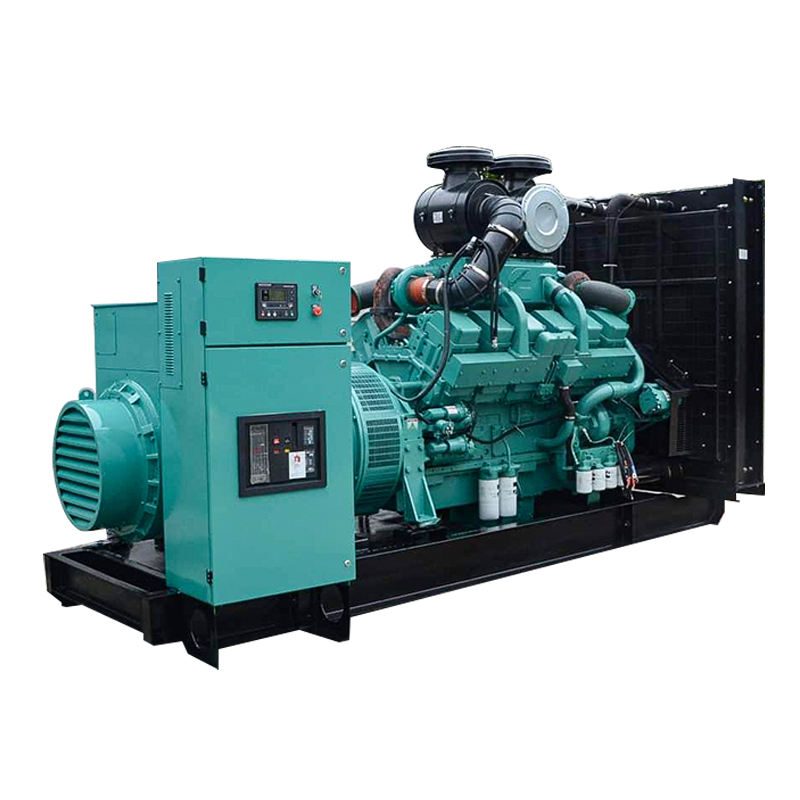
3. Industrial Gensets
Best for: Construction sites, manufacturing plants, mining, and large-scale events.
Industrial gensets are the heavyweights of the generator world. They’re built for continuous, high-demand use and often run on diesel or natural gas.
- Pros: Extremely durable, high power output (150 kW–3 MW+), and designed for 24/7 operation.
- Cons: Very expensive, large footprint, and complex installation.
- Best Brands: Caterpillar, MTU, and Perkins are industry standards.
Frankly speaking, unless you’re running a factory or a large construction project, you probably don’t need an industrial genset. But if you do, they’re the most reliable option for heavy-duty power needs.
4. Solar and Hybrid Gensets
Best for: Eco-conscious users, remote locations, and off-grid living.
Solar gensets (or solar generators) use photovoltaic panels to capture sunlight and store it in batteries. Hybrid gensets combine solar with traditional fuel sources for backup.
- Pros: Silent operation, zero emissions, and low operating costs.
- Cons: High initial cost, dependent on weather, and limited power output.
- Best Brands: Goal Zero, EcoFlow, and Bluetti are popular for solar solutions.
It’s worth noting that solar gensets are improving rapidly. If you’re looking for a sustainable option, they’re definitely worth considering—especially for small to medium power needs.
How to Size a Genset: Avoiding Costly Mistakes
One of the biggest mistakes people make is buying a genset that’s either too small or too large for their needs. A genset that’s too small will struggle to power your devices, while one that’s too large wastes fuel and money. So, how do you get it right?
Step 1: Calculate Your Power Needs
Start by listing all the devices you want to power during an outage. For each device, note:
- Running Wattage: The power needed to keep the device running.
- Starting Wattage: Some devices (like refrigerators or air conditioners) need extra power to start up.
Here’s a quick reference for common appliances:
| Appliance | Running Watts | Starting Watts |
|---|---|---|
| Refrigerator | 600–800W | 2,200W |
| Laptop | 50–100W | N/A |
| Window AC (10,000 BTU) | 1,000W | 2,500W |
| Sum Pump | 800W | 1,300W |
Step 2: Add Up the Watts
Add up the running watts of all your devices, then identify the single device with the highest starting watts. Your genset should handle both the total running watts plus the highest starting watts.
Example: If your total running watts are 3,000W and your AC unit has the highest starting watts at 2,500W, you’ll need a genset that can handle at least 5,500W.
Step 3: Choose Between Continuous and Peak Power
Gensets are rated for:
- Continuous Power: The wattage the genset can produce indefinitely.
- Peak/Surge Power: The maximum wattage it can handle for short bursts (usually a few seconds).
Always size your genset based on continuous power, not peak power. A genset that claims "5,000W peak" but only "4,000W continuous" won’t cut it if your total load is 4,500W.
Step 4: Consider Fuel Efficiency and Runtime
A larger genset isn’t always better. If you’re using it for backup power, think about:
- How long you need it to run (e.g., 8 hours vs. 24 hours).
- Fuel consumption rate (diesel gensets are more efficient than gasoline for long runs).
- Fuel storage (do you have space for extra fuel tanks?).
Many experts agree that for home backup, a 7,500–10,000W genset is a sweet spot for most households. But if you’re running a business or industrial equipment, you’ll need to consult a professional for precise sizing.
Genset Maintenance: Keeping Your Generator Running Smoothly
A genset is a significant investment, and like any machine, it needs regular maintenance to perform at its best. Neglecting maintenance can lead to costly repairs—or worse, a genset that fails when you need it most.
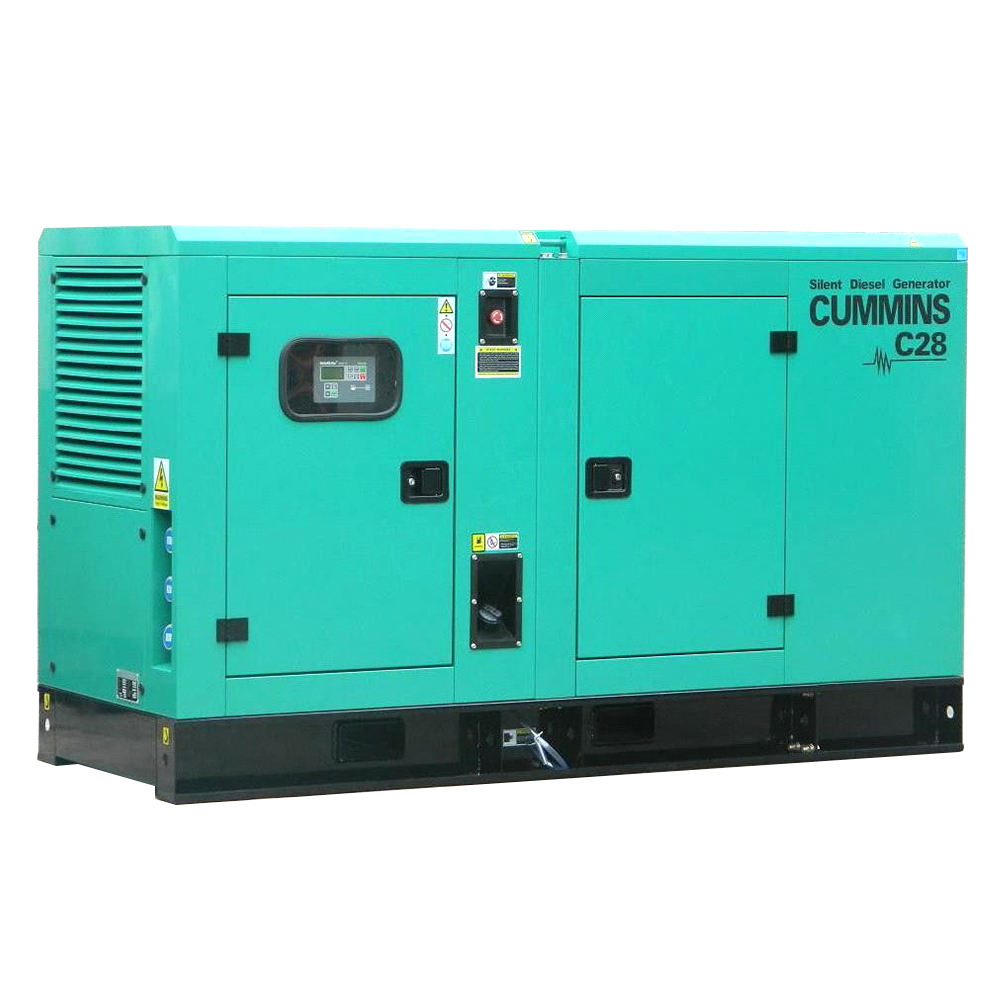
1. Regular Inspections (Weekly/Monthly)
Even if you’re not using your genset daily, you should inspect it regularly:
- Check oil and coolant levels.
- Inspect for leaks (fuel, oil, or coolant).
- Test the battery (if applicable) to ensure it’s holding a charge.
- Look for signs of wear or damage in belts and hoses.
I’ve seen too many gensets fail simply because the owner didn’t notice a small oil leak until it was too late.
2. Oil and Filter Changes
Oil is the lifeblood of your genset’s engine. Here’s a quick guide:
- First Oil Change: After the first 20–30 hours of use (break-in period).
- Subsequent Changes: Every 100–200 hours or as recommended by the manufacturer.
- Oil Type: Use the grade specified in your manual (e.g., 15W-40 for diesel gensets).
Don’t forget to replace the oil filter every time you change the oil. A clogged filter can reduce performance and damage the engine.
3. Fuel System Maintenance
Fuel issues are a common cause of genset failure. Here’s how to avoid them:
- Use Fresh Fuel: Gasoline goes bad in 3–6 months, while diesel can last up to a year with stabilizers.
- Drain Old Fuel: If your genset has been sitting for a while, drain the old fuel before starting it.
- Clean the Fuel System: Sediment and gum can clog fuel lines and injectors. Use a fuel additive to keep the system clean.
Pro Tip: If you’re storing your genset for a long time, run it dry (let it burn off all the fuel) to prevent gumming.
4. Air Filter and Spark Plug Care
A dirty air filter restricts airflow, reducing efficiency and increasing wear. Check it every 50 hours of use and replace it if it’s clogged. For spark plugs (in gasoline gensets):
- Inspect every 100 hours.
- Clean or replace if fouled (black, oily deposits).
- Check the gap with a feeler gauge and adjust if needed.
5. Load Testing and Exercise
Even if you’re not using your genset regularly, you should run it under load for at least 30 minutes every month. This:
- Prevents fuel from gumming up.
- Keeps the battery charged.
- Helps you spot issues before an emergency.
Many modern gensets have an auto-exercise feature that runs the unit weekly—definitely worth the extra cost if you want peace of mind.
6. Long-Term Storage Tips
If you’re storing your genset for more than a few months:
- Drain the fuel or add a stabilizer.
- Remove the battery and store it separately (or use a maintainer).
- Cover the genset to protect it from dust and moisture.
- Store it in a dry, ventilated area (never in a sealed container).
Common Genset Problems and How to Fix Them
Even with proper maintenance, gensets can run into issues. Here are some of the most common problems and how to troubleshoot them:
1. Genset Won’t Start
Possible Causes:
- Dead battery (for electric-start models).
- Empty fuel tank or stale fuel.
- Clogged fuel filter or carburetor.
- Faulty spark plug (gasoline gensets).
- Low oil level (some gensets have a low-oil shutdown feature).
How to Fix:
- Check the battery and charge/replace if needed.
- Refill with fresh fuel and add a stabilizer.
- Clean or replace the fuel filter and carburetor.
- Inspect and replace the spark plug if fouled.
- Top up the oil if it’s low.
2. Genset Runs but Doesn’t Produce Power
Possible Causes:
- Faulty alternator or voltage regulator.
- Blown circuit breaker or fuse.
- Loose or damaged wiring.
- Overloaded genset (tripped breaker).
How to Fix:
- Test the alternator with a multimeter (should read ~120V for household models).
- Reset the circuit breaker or replace the fuse.
- Inspect all connections and tighten loose wires.
- Reduce the load if the genset is overloaded.
3. Genset Overheating
Possible Causes:
- Low coolant level or leaks.
- Dirty or clogged radiator/fins.
- Faulty thermostat or water pump.
- Running the genset in a poorly ventilated area.
How to Fix:
- Check coolant levels and top up if needed.
- Clean the radiator and cooling fins with compressed air.
- Replace the thermostat or water pump if faulty.
- Ensure the genset has at least 3–5 feet of clearance on all sides for airflow.
4. Genset Produces Low or Unstable Power
Possible Causes:
- Dirty or faulty AVR (Automatic Voltage Regulator).
- Worn-out brushes in the alternator.
- Loose connections or corroded terminals.
- Engine running at incorrect RPM.
How to Fix:
- Clean or replace the AVR.
- Inspect and replace brushes if worn.
- Tighten all connections and clean corroded terminals.
- Adjust the throttle to match the recommended RPM (usually 3,600 RPM for 60Hz power).
5. Excessive Smoke or Strange Noises
Possible Causes:
- Black Smoke: Over-fueling (clogged air filter or carburetor issue).
- White Smoke: Burning oil (worn piston rings or valve seals).
- Blue Smoke: Oil leaking into the combustion chamber.
- Knocking Noises: Detonation (wrong fuel octane or carbon buildup).
- Grinding Noises: Worn bearings or low oil.
How to Fix:
- Clean or replace the air filter and carburetor.
- Check oil levels and look for leaks.
- Use the correct fuel octane (87 for most gasoline gensets).
- If noises persist, consult a professional—internal engine damage may be the culprit.
Genset Safety: What You Need to Know
Gensets are incredibly useful, but they can also be dangerous if not used properly. Here are the key safety tips to keep in mind:
1. Carbon Monoxide Poisoning
Carbon monoxide (CO) is a silent killer—odorless, colorless, and deadly. Never run a genset:
- Indoors (including garages, basements, or sheds).
- Near windows, doors, or vents where fumes can enter your home.
- In poorly ventilated areas.
Always place your genset at least 20 feet away from your home, with the exhaust pointed away from living spaces. Consider installing a battery-operated CO detector in your home for added safety.
2. Electrical Hazards
Improper use of a genset can lead to electrocution or fires. Follow these rules:
- Never plug a genset directly into a wall outlet (this is called "backfeeding" and can electrocute utility workers).
- Use heavy-duty, outdoor-rated extension cords.
- Ensure the genset is properly grounded.
- Avoid using damaged cords or outlets.
3. Fire Risks
Gensets get hot and use flammable fuel. To prevent fires:
- Keep the genset at least 3 feet away from flammable materials.
- Never refuel while the genset is running or hot.
- Store fuel in approved containers, away from heat sources.
- Have a fire extinguisher nearby (Class B for flammable liquids).
4. Noise Pollution
Gensets can be loud—especially diesel models. To minimize noise:
- Place the genset as far from living areas as possible.
- Use a genset with a built-in muffler or soundproof enclosure.
- Check local noise ordinances—some areas restrict genset use during certain hours.
5. Proper Shutdown Procedures
Turning off your genset correctly extends its lifespan and prevents damage:
- Turn off all connected devices first.
- Let the genset run for 2–3 minutes with no load to cool down.
- Turn off the genset using the switch (don’t just unplug it).
- For long-term storage, drain the fuel or add a stabilizer.
Final Thoughts: Is a Genset Right for You?
So, do you need a genset? The answer depends on your power needs, budget, and how often you experience outages. Here’s a quick recap to help you decide:
- For Home Backup: A 5,000–10,000W portable or standby genset is ideal for most households.
- For Camping/Outdoors: A compact inverter generator (1,000–3,000W) is quiet and efficient.
- For Businesses: A standby genset (10,000W+) ensures uninterrupted operations.
- For Industrial Use: A diesel genset (50 kW+) is built for heavy-duty, continuous power.
- For Eco-Friendly Power: A solar or hybrid genset is a great long-term investment.
Remember, a genset is an investment in reliability. Whether it’s keeping your fridge running during a storm, powering tools on a job site, or ensuring your business stays online, the right genset can save you time, money, and stress.
Before you buy, ask yourself:
- What’s my must-have power needs vs. nice-to-have?
- How often will I use the genset, and for how long?
- Do I have the space and budget for maintenance?
If you’re still unsure, consult a professional electrician or genset dealer. They can help you size and select the perfect model for your needs.
For more detailed information, please visit our official website:genset
About the author: Alex Carter is a certified electrical engineer with over 15 years of experience in power systems and backup generators. As a consultant for both residential and industrial clients, Alex has helped hundreds of businesses and homeowners choose, install, and maintain the right genset for their needs. When he’s not troubleshooting generators, you can find him writing for industry publications or teaching workshops on energy efficiency. His mission? To make power backup simple, safe, and accessible for everyone.