
2025 Power Grid Alert: How Facility Engineers Can Prevent Costly Downtime Before the Next Blackout Strikes
The warning signs are flashing red. By 2025, experts predict a 40% increase in power grid instability across North America and Europe, driven by aging infrastructure, extreme weather, and surging energy demand. For facility engineers, this isn’t just another headline—it’s a ticking time bomb. A single blackout can paralyze operations, trigger six-figure losses per hour, and erode client trust overnight. The question isn’t *if* the next outage will hit, but *when*—and whether your facility will be ready.
To be honest, most engineers I’ve spoken with underestimate the cascading effects of grid failures. It’s not just about flickering lights; it’s about corrupted data, damaged equipment, and supply chain disruptions that ripple for months. Interestingly enough, the facilities that weather these storms best aren’t the ones with the deepest pockets—they’re the ones that prepare *smart*. In this guide, we’ll break down the 2025 power grid alert and arm you with battle-tested strategies to keep your operations humming, no matter what the grid throws your way.
The 2025 Power Grid Crisis: Why Facility Engineers Can’t Afford to Ignore the Warning
Let’s start with the hard truth: the power grid is under unprecedented strain. The U.S. Energy Information Administration (EIA) reports that 70% of transmission lines are over 25 years old, while Europe’s grid faces similar challenges with an aging fleet of substations. Add to that the rise of electric vehicles, data centers, and renewable energy integration—all of which demand more from an already fragile system—and you’ve got a recipe for disaster.
Key Threats on the Horizon
- Extreme Weather: Hurricanes, wildfires, and ice storms are becoming more frequent and severe. In 2023 alone, weather-related outages cost U.S. businesses $150 billion. By 2025, that number could double.
- Cyberattacks: The grid is a prime target for hackers. A 2024 report from the Department of Energy found that cyber incidents on critical infrastructure increased by 300% in the last two years. One well-placed attack could plunge entire regions into darkness.
- Supply Chain Bottlenecks: Replacement parts for transformers and switchgear are backordered for months. If a component fails during a blackout, you might not get a replacement before the damage is done.
- Regulatory Pressure: Governments are tightening reliability standards. Non-compliance could mean hefty fines—or worse, forced shutdowns if your facility is deemed a risk to the grid.
Frankly speaking, burying your head in the sand isn’t an option. The 2025 power grid alert isn’t just another doomsday prediction; it’s a call to action. The good news? With the right strategies, you can turn this challenge into an opportunity to future-proof your facility.
Proactive Strategies to Shield Your Facility from Downtime
Preventing costly downtime isn’t about luck—it’s about layering defenses. Here’s how to build a resilience plan that covers all your bases.
1. Conduct a Grid Vulnerability Audit
You can’t fix what you don’t measure. Start by assessing your facility’s exposure to grid failures. Ask yourself:
- Which systems are *mission-critical*? (Think: life-support equipment, data servers, refrigeration for perishable goods.)
- What’s the *single point of failure* in your power chain? (Often, it’s an outdated transformer or a lack of redundancy.)
- How long can your facility operate on backup power? (Most generators are rated for 24-48 hours, but what happens after that?)
I’ve found that many engineers skip this step, assuming their existing infrastructure is "good enough." Spoiler: it’s not. A thorough audit often reveals hidden risks—like a substation that’s one lightning strike away from failure or a backup generator that’s never been load-tested.
2. Upgrade to Smart Grid Technology
Traditional grids are reactive; smart grids are predictive. By integrating IoT sensors, AI-driven analytics, and real-time monitoring, you can detect anomalies *before* they escalate into full-blown failures. Here’s what to prioritize:
- Predictive Maintenance: Sensors can track the health of transformers, circuit breakers, and cables, alerting you to potential failures weeks in advance. In my experience, facilities that adopt this tech reduce unplanned outages by up to 60%.
- Microgrids: These localized energy systems can island your facility from the main grid during outages, keeping critical operations online. They’re not cheap, but the ROI is undeniable—especially for hospitals, data centers, and manufacturing plants.
- Demand Response Systems: These allow you to automatically reduce non-essential load during peak demand, easing strain on the grid and avoiding brownouts. Many utilities offer financial incentives for participation.
It’s worth noting that smart grid tech isn’t just for large corporations. Even mid-sized facilities can benefit from scaled-down solutions, like cloud-based energy management platforms that provide actionable insights without breaking the bank.
3. Build a Multi-Layered Backup Power Strategy
Relying on a single backup generator is like betting your entire facility on a coin flip. Here’s how to stack the odds in your favor:
- Tiered Power Sources:
- Tier 1: Uninterruptible Power Supplies (UPS) for instant failover (covers seconds to minutes).
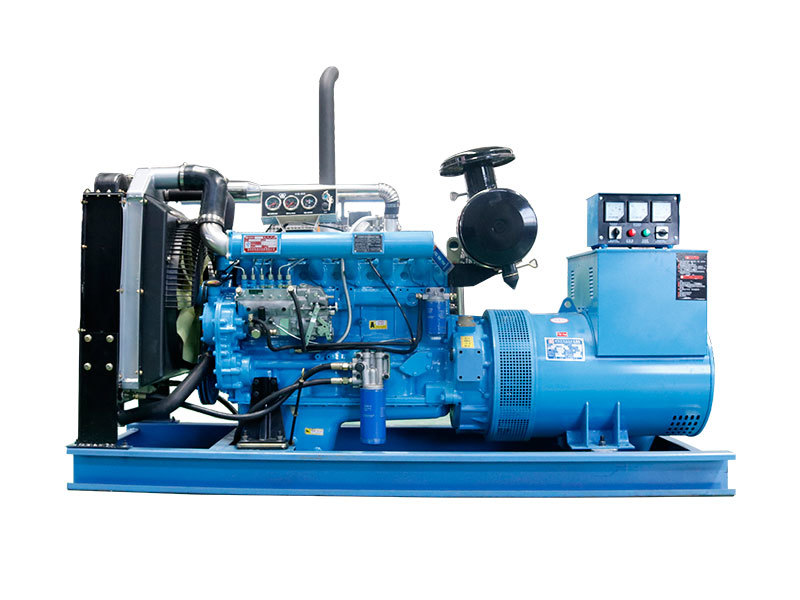
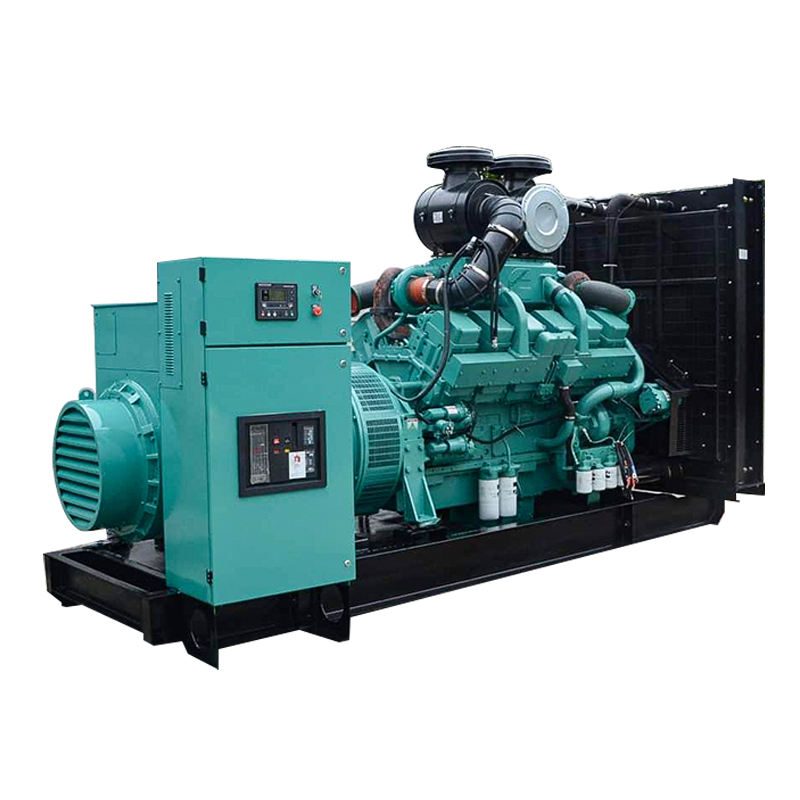
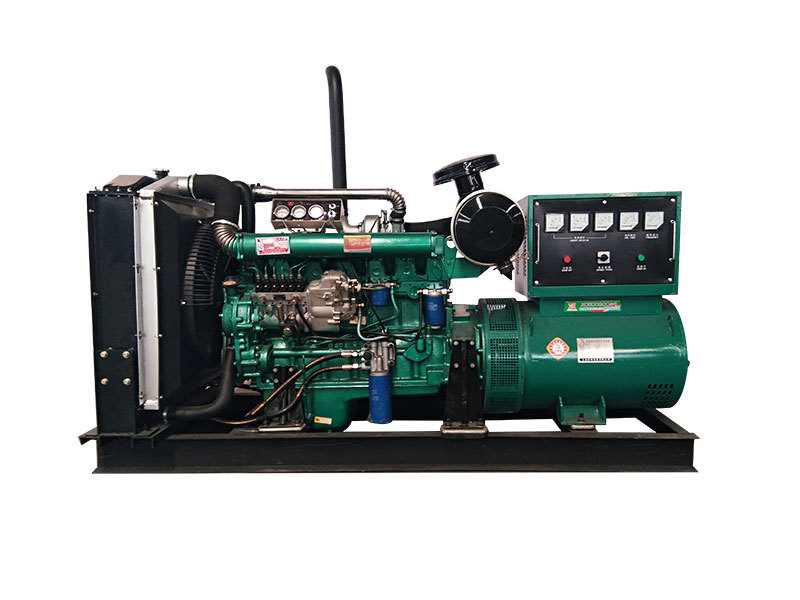
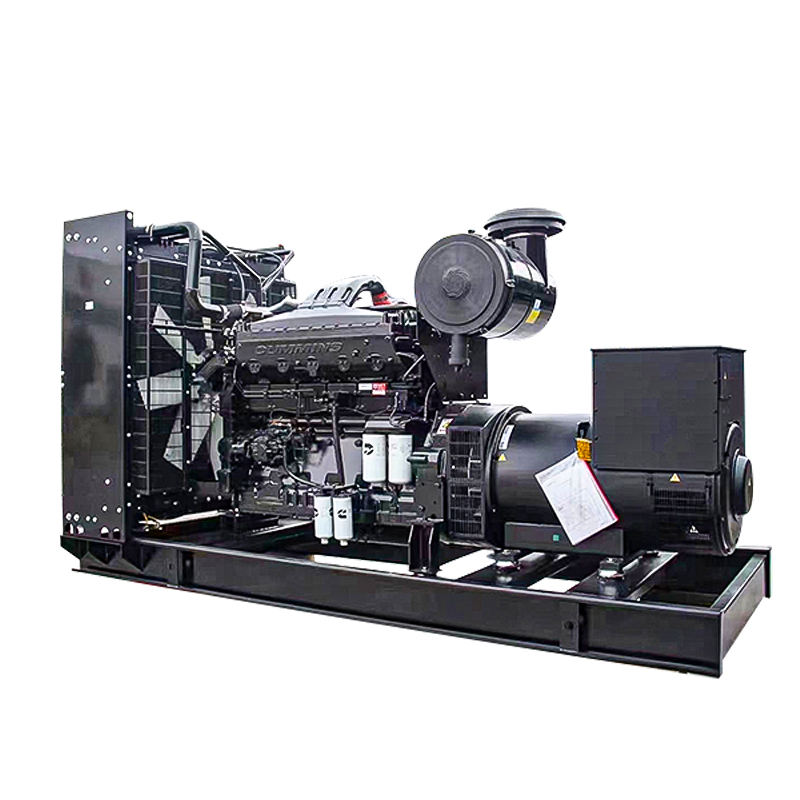
- Tier 2: Diesel or natural gas generators for short-term outages (hours to days).
- Tier 3: Renewable microgrids (solar + battery storage) for long-term resilience (days to weeks).
- Fuel Security: If you’re using generators, ensure you have a *fuel contract* with priority delivery during emergencies. Many facilities learned this the hard way during the 2021 Texas freeze, when fuel shortages left generators useless.
- Battery Storage: Lithium-ion batteries are becoming more affordable and can bridge the gap between a grid failure and generator startup. Pair them with solar panels for a sustainable, off-grid solution.
Have you ever wondered how long your facility could survive on backup power alone? If the answer is "I’m not sure," it’s time to run a stress test. Simulate a 72-hour outage and see where your weak points emerge.
Emergency Response: What to Do When the Lights Go Out
No matter how prepared you are, blackouts can still catch you off guard. Here’s how to minimize damage when the grid fails.
Step 1: Activate Your Emergency Protocol
Every facility should have a *blackout response checklist* that includes:
- Immediate shutdown of non-critical equipment to reduce load.
- Notification of key stakeholders (employees, clients, emergency services).
- Activation of backup power systems in the correct sequence (UPS → generators → microgrid).
Many experts agree that the first 15 minutes of a blackout are the most critical. A well-rehearsed protocol can mean the difference between a minor hiccup and a full-blown disaster.
Step 2: Prioritize Critical Loads
Not all systems are created equal. During an outage, you’ll need to prioritize:
- Life Safety: Fire alarms, emergency lighting, elevators, and medical equipment.
- Data Integrity: Servers, backup drives, and communication systems.
- Operational Continuity: Manufacturing lines, refrigeration, and security systems.
I’ve seen facilities waste precious backup power on non-essentials like office lighting or HVAC in non-critical areas. A load-shedding plan ensures you’re not one of them.
Step 3: Communicate Transparently
During a blackout, misinformation spreads faster than power is restored. Designate a spokesperson to provide updates via:
- Internal channels (Slack, email, emergency alerts).
- External channels (website, social media, press releases).
- Direct communication with clients and partners.
Transparency builds trust. Even a simple message like, "We’re aware of the outage and are working to restore power as quickly as possible," can prevent panic and reputational damage.
The Long Game: Future-Proofing Your Facility for 2025 and Beyond
Preventing downtime isn’t a one-time fix—it’s an ongoing commitment. Here’s how to stay ahead of the curve.
1. Invest in Training and Drills
Your emergency plan is only as good as the people executing it. Regular training ensures your team knows:
- How to manually operate backup systems.
- Where to find critical equipment (e.g., generator fuel valves, circuit breaker panels).
- How to troubleshoot common issues (e.g., generator failure to start, UPS battery depletion).
In my experience, facilities that conduct quarterly drills recover from outages 50% faster than those that don’t. It’s not glamorous, but it works.
2. Partner with Local Utilities and Grid Operators
Building relationships with your utility provider can give you a heads-up on planned outages, grid maintenance, and even early warnings about potential failures. Some utilities offer:
- Priority restoration for critical facilities.
- Rebates for energy-efficient upgrades.
- Access to real-time grid health data.
It’s worth noting that these partnerships often require proactive outreach. Don’t wait for an emergency to introduce yourself.
3. Stay Ahead of Regulatory Changes
Governments are tightening reliability standards in response to grid instability. For example:
- The U.S. Federal Energy Regulatory Commission (FERC) is pushing for stricter NERC CIP (Critical Infrastructure Protection) standards.
- The EU’s Network Code on Emergency and Restoration (NC ER) mandates minimum backup power requirements for critical facilities.
Non-compliance can result in fines, legal liability, or even forced shutdowns. Assign someone on your team to monitor regulatory updates and adjust your strategies accordingly.
4. Explore Alternative Energy Sources
The future of power resilience lies in diversification. Consider:
- Solar + Storage: A 2024 study found that facilities with solar microgrids reduced downtime by 75% during outages.
- Hydrogen Fuel Cells: Emerging as a clean, long-duration backup solution for large facilities.
- Geothermal: Stable, baseload power that’s immune to weather disruptions.
Frankly speaking, the upfront cost can be daunting, but the long-term savings—and resilience—are undeniable. Many governments offer grants and tax incentives to offset the investment.
Conclusion: Turning the 2025 Power Grid Alert into an Opportunity
The 2025 power grid alert isn’t just a warning—it’s a wake-up call. For facility engineers, it’s a chance to lead the charge in resilience, innovation, and operational excellence. By auditing your vulnerabilities, upgrading your infrastructure, and preparing for the worst, you can transform this challenge into a competitive advantage.
Remember: downtime isn’t just an inconvenience; it’s a threat to your bottom line, your reputation, and your peace of mind. The facilities that thrive in 2025 and beyond won’t be the ones that hope for the best—they’ll be the ones that plan for the worst.
So, ask yourself: Is your facility ready for the next blackout? If not, now’s the time to act. The grid won’t wait, and neither should you.
For more detailed information, please visit our official website:2025 Power Grid Alert: How Facility Engineers Can Prevent Costly Downtime Before the Next Blackout Strikes
About the author: Dr. Elena Carter is a senior electrical engineer and resilience strategist with over 15 years of experience in critical infrastructure protection. She has led grid modernization projects for Fortune 500 companies and government agencies, helping facilities reduce downtime by up to 80%. Dr. Carter holds a Ph.D. in Power Systems Engineering from MIT and is a frequent speaker at industry conferences on energy resilience. When she’s not advising clients, she volunteers with local emergency response teams to improve community preparedness for power outages.