
The Ultimate Guide to Industrial Generator Set 500kW Power Rating Evaluation
In the world of industrial power, downtime isn't just an inconvenience; it's a catastrophic failure that can cost millions. Whether you're running a data center, a manufacturing plant, or a critical healthcare facility, reliable backup power is non-negotiable. The 500kW generator set often hits that sweet spot—powerful enough for substantial loads, yet manageable in size and cost. But here's the catch that many people miss: not all 500kW generators are created equal. Frankly speaking, the number on the side is just the beginning of the story. A thorough industrial generator set 500kW power rating evaluation is the only way to ensure you're investing in a machine that will perform when you need it most, not just one that looks good on a spec sheet.
Have you ever wondered what really separates a top-tier generator from a unit that might fail under pressure? It's all in the details—the type of power rating, the quality of the components, and the verification of its performance. This guide will walk you through everything you need to know to make an informed, confident decision.
Understanding the Core of Power Ratings: Prime, Standby, and Continuous
The first and most critical step in evaluating any generator is to understand its power rating. Manufacturers provide different ratings based on the intended application, and choosing the wrong one is a recipe for disaster. It's like using a sprinter for a marathon; they might start strong, but they won't last the race. Let's break down the three main types you'll encounter.
Demystifying Standby Power Rating
The Standby rating is the most common one you'll see advertised, and it's also the most frequently misunderstood. A generator with a 500kW standby rating is designed to provide that power for the duration of a utility outage. It's built for emergency use only.
- Usage: Limited hours per year (typically under 200).
- Load: Can run at its maximum rated power, but the average load should be around 70% over a 24-hour period.
- Overload: No sustained overload capability.
In my experience, this is perfect for facilities with a generally stable power grid that need a reliable backup for occasional outages. Think office buildings, retail stores, or light industrial applications. Using a standby-rated unit for a continuous power need will lead to rapid wear and premature failure.
The Workhorse: Prime Power Rating Explained
The Prime Power rating is where things get more robust. A generator with a 500kW prime rating is designed to be a primary power source for an unlimited number of hours per year. This is your go-to for applications where there is no utility power, like a remote construction site, or for facilities that use the generator for peak shaving (running it during high-cost electricity periods).
- Usage: Unlimited hours.
- Load: Designed to run at variable loads. The average load factor should be around 70% of the prime power rating.
- Overload: Typically has a 10% overload capability for a short duration (e.g., 1 hour in a 12-hour period).
It's worth noting that a generator's prime power rating is almost always lower than its standby rating. For example, a unit rated for 500kW standby might only be rated for 450kW prime. This is a crucial distinction when conducting your evaluation.
Continuous Power: For the Most Demanding Jobs
Continuous power is the most demanding rating. These generators are built to run 24/7 at a consistent, non-varying load, often at 100% of their rating. Think of applications like a remote mining operation or a utility power station. These units are built with heavier-duty components to handle the constant, high-heat stress. For most industrial backup applications, a continuous-rated generator is overkill, but it's essential to understand the category when you see it.
Key Technical Specifications in a 500kW Generator Set Evaluation
Once you've determined the correct power rating for your application, it's time to dive deeper into the technical specifications. This is where you separate the high-quality, reliable machines from the rest. A comprehensive industrial generator set 500kW power rating evaluation goes far beyond the kilowatt number.
Engine Performance and Fuel Consumption
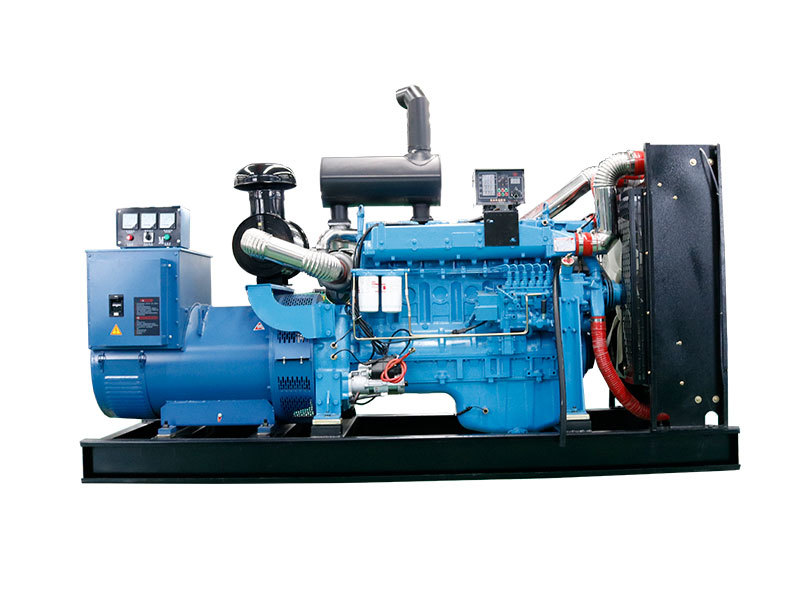
The engine is the heart of the generator set. Look for reputable brands known for their industrial-grade engines (e.g., Cummins, Caterpillar, Perkins). Key metrics to evaluate include:
- Fuel Consumption: Check the fuel consumption rates at 50%, 75%, and 100% load. A more efficient engine will save you a significant amount in operational costs over the generator's lifespan.
- Emissions Compliance: Ensure the engine meets local and national environmental regulations (e.g., EPA Tier ratings).
- Displacement and RPM: Generally, a larger displacement engine running at a lower RPM (typically 1800 RPM in the US) will have a longer service life than a smaller engine running at a higher RPM.
Alternator Efficiency and Voltage Regulation
The alternator is what actually produces the electricity. Its quality directly impacts the quality of the power your facility receives. Pay close attention to the temperature rise rating. A lower temperature rise (e.g., 105°C) indicates more robust insulation and a longer lifespan compared to a higher one (e.g., 130°C). Also, check the voltage regulation, which should ideally be within +/- 1% to protect sensitive electronic equipment.
The Role of the Control Panel and ATS
A modern generator is only as good as its brain. The control panel should be intuitive, providing clear diagnostics, engine parameters, and safety shutdowns. Advanced controllers offer remote monitoring capabilities, which are invaluable for maintenance and troubleshooting. The Automatic Transfer Switch (ATS) is the component that senses a power outage and signals the generator to start. Ensure it's sized correctly and from a reputable manufacturer to guarantee a seamless transition from utility to generator power.
The Practical Side: Load Testing and Performance Verification
You wouldn't buy a car without a test drive, and you shouldn't buy a generator without verifying its performance under load. This is where load bank testing comes in. It's an essential, non-negotiable part of any serious generator evaluation.
What is Load Bank Testing?
A load bank is a device that creates an artificial electrical load, allowing you to simulate the real-world operational demands on a generator in a controlled environment. It allows you to test the generator at various load percentages up to its full capacity, verifying that the engine, cooling system, and alternator all perform as specified.
A Step-by-Step 500kW Generator Load Testing Procedure
While the exact procedure can vary, a typical 500kW generator load testing procedure involves several key steps. It's a critical process that confirms the unit's health and capabilities.
- Initial Inspection: A thorough visual check of the generator, including fluid levels, connections, and safety systems.
- No-Load Test: The generator is started and run without any load to check for stable voltage and frequency.
- Stepped Load Application: The load is applied incrementally, for instance, at 25%, 50%, 75%, and finally 100% of the generator's rated capacity.
- Sustained Full-Load Test: The generator is run at 100% load for a specified period (often 1-2 hours) to ensure it can handle the heat and stress without overheating or performance degradation.
- Transient Response Test: Large blocks of load are suddenly applied and removed to test how quickly the generator's engine and voltage regulator can respond and stabilize. This is crucial for facilities with large motors that start and stop.
- Cool-Down Period: The load is gradually removed, and the generator is allowed to run at no load for a cool-down period before being shut down.
Throughout this process, technicians monitor and record dozens of data points, including voltage, frequency, amperage, engine temperature, and oil pressure.
How to Choose a 500kW Diesel Generator: A Buyer's Checklist
Now that you understand the technical nuances, let's put it all together into a practical checklist. When you're ready to make a purchase, this framework will help you make the right choice.
Assessing Your Application's True Power Needs
First, get a professional load calculation for your facility. Don't guess. You need to know your total running load and, more importantly, your starting load (or inrush current) from large motors. This will determine if a 500kW unit is the right size and will highlight the importance of transient response. This is the foundation of how to choose a 500kW diesel generator correctly.
Comparing Brands and Manufacturer Support
To be honest, brand reputation matters. Established manufacturers have a proven track record of reliability and, crucially, a strong network for parts and service. A generator is a long-term investment; ensure you can get qualified technical support and replacement parts quickly and easily in your region.
Future-Proofing: Scalability and Maintenance
Think about the future. Will your power needs grow? If so, consider a generator with paralleling capabilities, which allows you to add another generator in the future to run in sync and share the load. Also, evaluate the ease of maintenance. Are service points like filters and fluid drains easily accessible? A well-designed unit will save time and money on routine servicing.
Common Pitfalls to Avoid in Your Evaluation
Many experts agree that the biggest mistakes happen when buyers focus solely on the initial purchase price. Here are a few common but costly pitfalls to avoid during your industrial generator set 500kW power rating evaluation.
Overlooking Transient Response Capabilities
As mentioned, this is how a generator reacts to sudden, large load changes. A generator with poor transient response might see its voltage and frequency dip so severely that it causes sensitive equipment to shut down or even damage it. Always ask for the transient response data and ensure it meets the needs of your facility's equipment.
Ignoring Sound Attenuation and Enclosure Quality
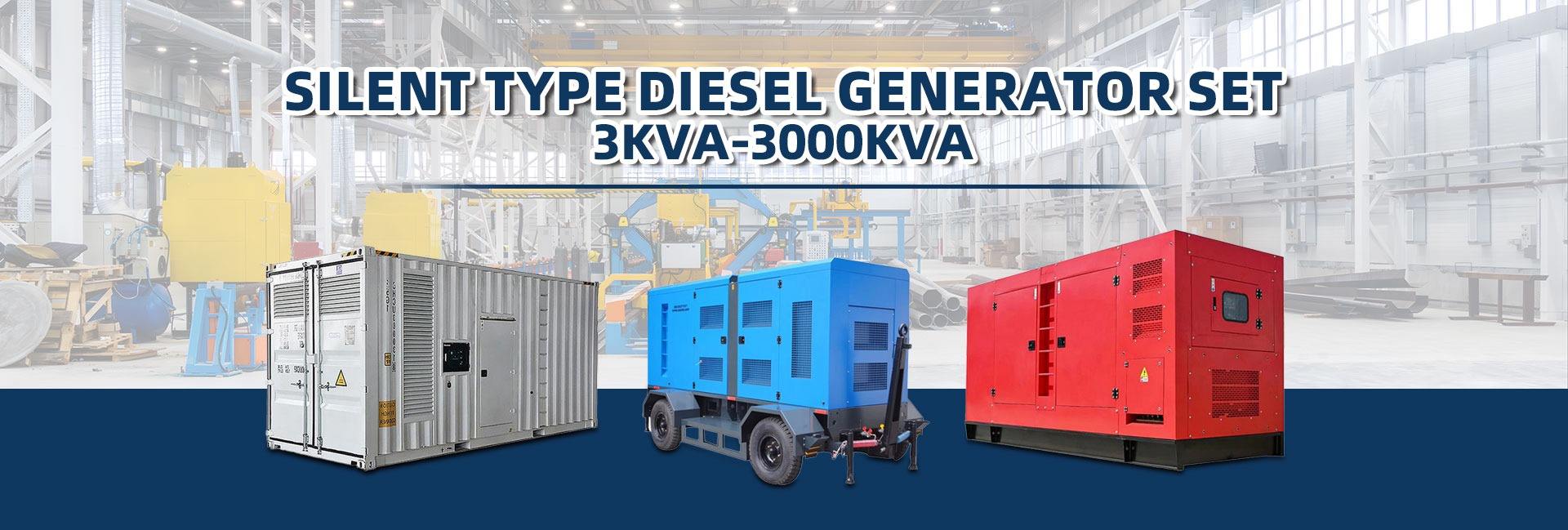
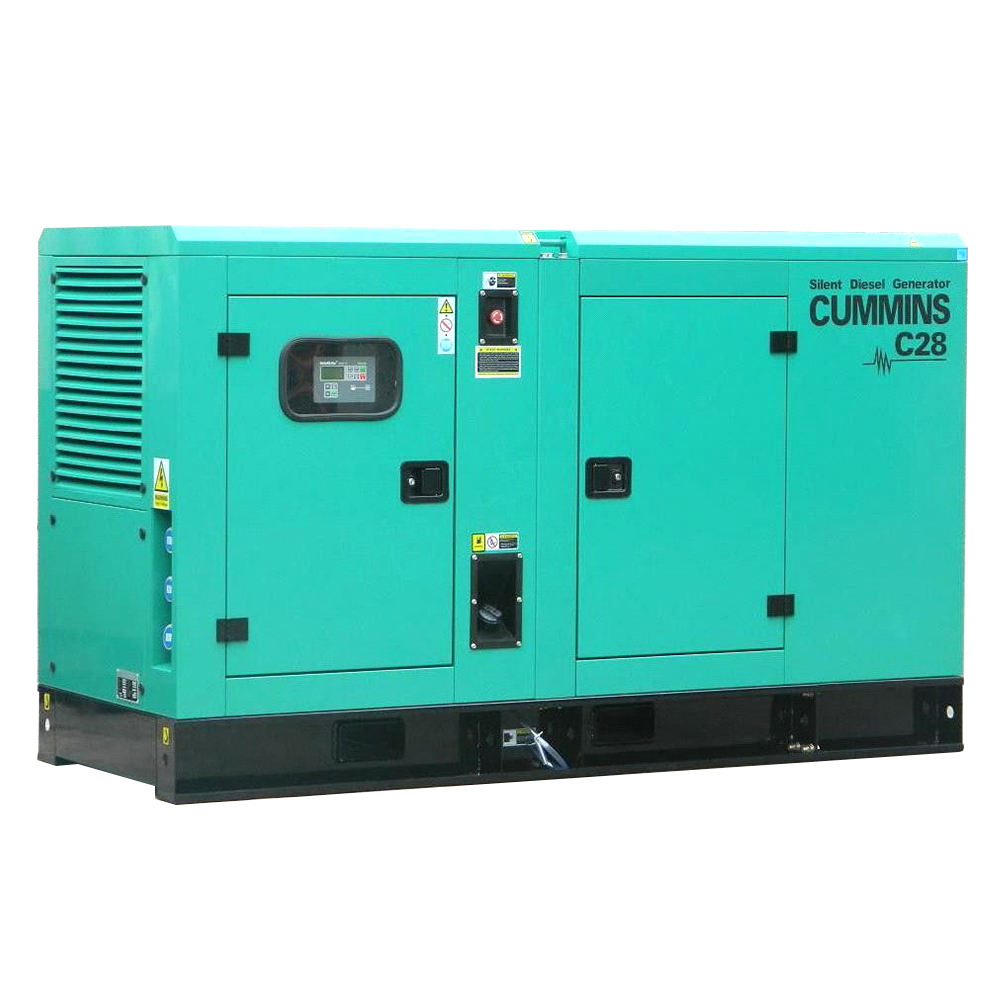
An industrial generator is loud. If your facility is near residential or office areas, a high-quality, sound-attenuated enclosure is not a luxury—it's a necessity to comply with noise ordinances. Furthermore, the enclosure protects your investment from the elements. Look for robust, weatherproof construction with high-quality paint and rust-proofing.
Underestimating the Total Cost of Ownership (TCO)
The sticker price is just one part of the equation. The TCO includes the initial cost, installation, fuel consumption, routine maintenance, and potential repairs over a 15-20 year lifespan. A slightly more expensive but more fuel-efficient and reliable generator will almost always have a lower TCO than a cheaper, less-efficient alternative.
Ultimately, selecting the right 500kW generator is a decision that will impact your operations for decades. By moving beyond the simple kilowatt rating and conducting a deep, methodical evaluation of the power rating type, technical specifications, and verified performance, you're not just buying a piece of equipment. You're investing in reliability, security, and peace of mind.
For more detailed information, please visit our official website:industrial generator set 500kW
About the author: David Chen is a Senior Power Systems Engineer with over 15 years of experience specializing in critical power infrastructure for industrial and commercial applications. He has overseen the specification, installation, and commissioning of hundreds of generator systems, from data centers to manufacturing plants. David is passionate about educating facility managers on the nuances of power generation to ensure they achieve maximum reliability and efficiency in their operations. ---