
Powering Through Downtime: Essential Backup Power Solutions for Manufacturing Plants
In the fast-paced world of manufacturing, every minute of downtime can translate into significant financial losses, damaged reputations, and missed deadlines. Frankly speaking, relying solely on the grid is a gamble many modern industrial operations can no longer afford to take. This is where robust backup power solutions for manufacturing plants become not just a convenience, but an absolute necessity. From unexpected grid failures to planned maintenance, having a reliable backup power system in place is paramount to ensuring operational continuity, protecting sensitive equipment, and maintaining your competitive edge.
The Unseen Costs of Manufacturing Power Outages
It's worth noting that the immediate costs of a power outage are often just the tip of the iceberg. Beyond the obvious loss of production time, consider the ripple effects. Sensitive machinery can be damaged by sudden power surges or abrupt shutdowns, leading to expensive repairs or replacements. Spoiled raw materials or work-in-progress inventory due to temperature fluctuations or interrupted processes can be a substantial financial drain. Furthermore, the reputational damage from failing to meet delivery schedules can be long-lasting. In my experience, manufacturers often underestimate the cumulative impact of these seemingly minor disruptions until a major outage forces them to confront the issue head-on.
Have you ever wondered about the true cost of a single hour of unplanned downtime in your specific industry? It's a question that should keep plant managers awake at night, driving the urgent need for comprehensive industrial generators and other backup power strategies.
Understanding Your Backup Power Needs: A Multifaceted Approach
Selecting the right backup power solution isn't a one-size-fits-all endeavor. It requires a thorough assessment of your plant's unique operational demands, critical processes, and budgetary constraints. To be honest, a detailed load analysis is the foundational step. This involves identifying every piece of equipment that needs power during an outage, from heavy machinery and HVAC systems to essential IT infrastructure and lighting.
Types of Backup Power Systems
There are several primary categories of backup power systems available, each with its own advantages and ideal applications:
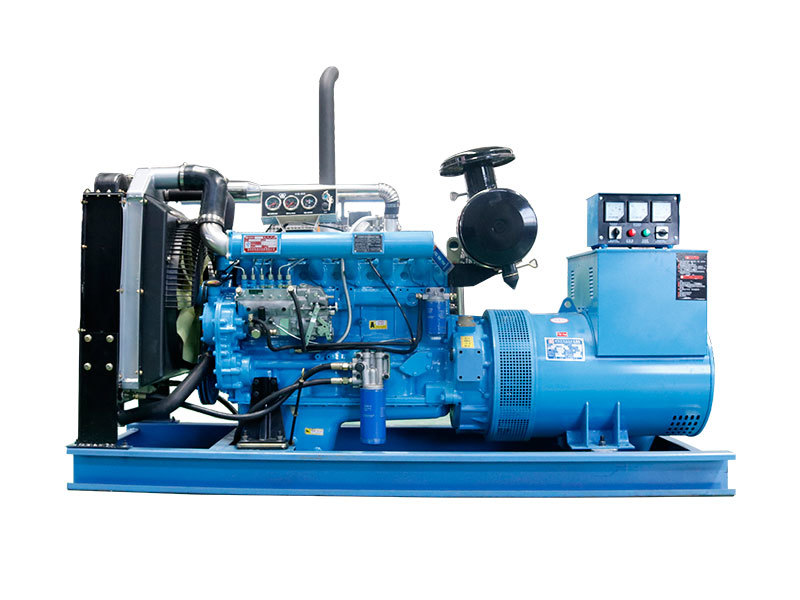
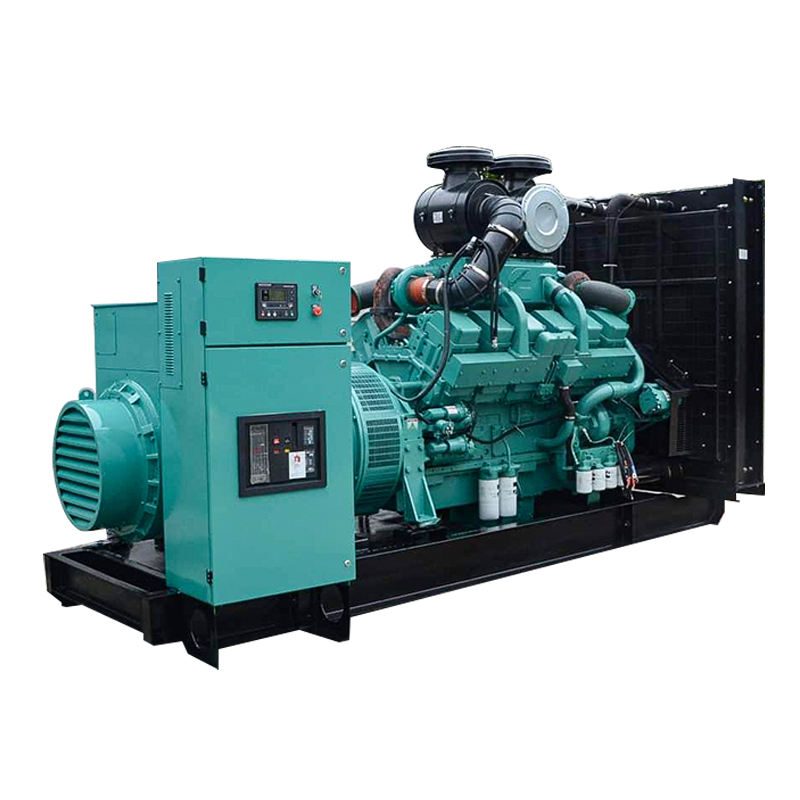
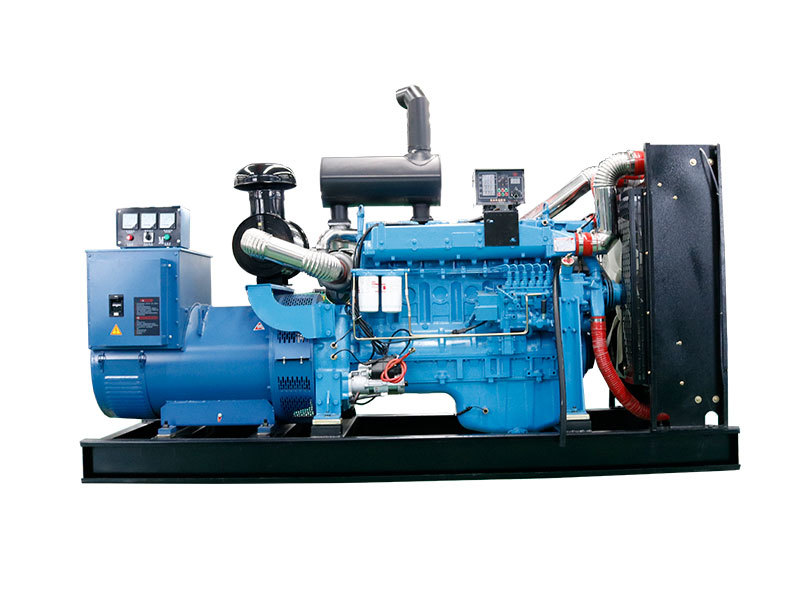
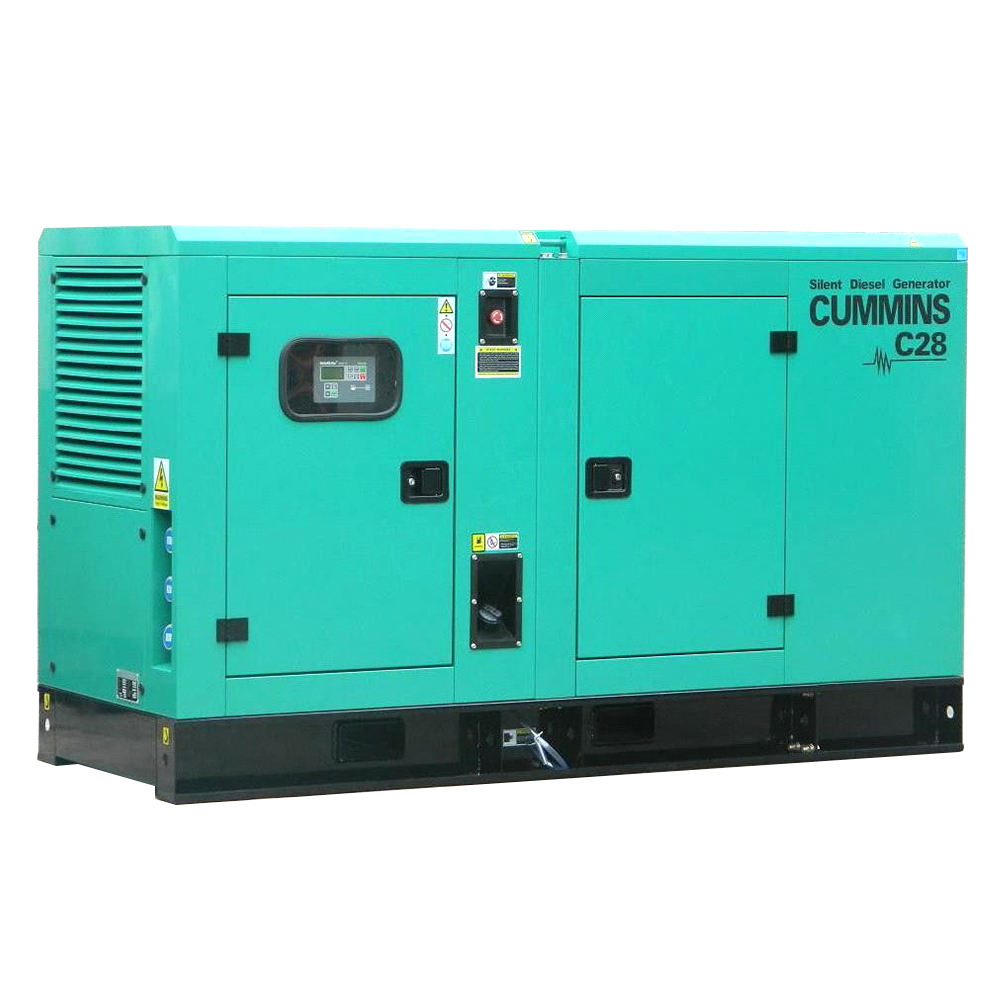
- Generators: These are the workhorses of backup power. They convert fuel (diesel, natural gas, propane) into electricity. For manufacturing plants, industrial-grade diesel generators are often favored due to their reliability, power output, and fuel availability. Natural gas generators offer a cleaner-burning alternative, provided a reliable gas supply is accessible.
- Uninterruptible Power Supplies (UPS): UPS systems provide instant, seamless power transfer. They utilize batteries to supply power immediately when the main grid fails, bridging the gap until a generator can safely start up and take over. This is crucial for protecting sensitive electronics and preventing data loss.
- Automatic Transfer Switches (ATS): An ATS is the intelligent brain of a backup power system. It constantly monitors the incoming utility power. When it detects an outage, it automatically disconnects the plant from the grid and signals the generator to start. Once utility power is restored and stable, the ATS safely reconnects the plant to the grid.
- Hybrid Systems: Increasingly, manufacturers are opting for hybrid solutions that combine the instant response of UPS systems with the long-duration power of generators. This offers the best of both worlds: immediate protection for critical systems and sustained power for the entire plant.
It's interesting to note that the integration of these components is key. A powerful generator is rendered less effective without a reliable ATS to manage the transition, and sensitive equipment may still suffer damage without a UPS to smooth out the initial moments of an outage.
Choosing the Right Generator for Your Manufacturing Facility
When it comes to generators, the decision hinges on several factors. The total power requirement, often measured in kilowatts (kW) or kilovolt-amperes (kVA), is the primary consideration. This is where that detailed load analysis becomes indispensable. You need a generator with enough capacity to handle your peak load, with a buffer for future expansion or unexpected surges.
Fuel Types: Diesel vs. Natural Gas
Diesel generators have long been the industry standard for their robustness and the widespread availability of diesel fuel. They are known for their durability and ability to handle heavy loads for extended periods. However, they can be noisy and require regular maintenance of fuel storage tanks.
Natural gas generators offer a cleaner and often more cost-effective solution, especially if your facility is already connected to a natural gas line. They typically produce fewer emissions and can run for very long periods without refueling. The primary drawback is the reliance on a continuous natural gas supply, which could also be affected by widespread outages.
For many, the choice involves a careful weighing of initial cost, ongoing fuel expenses, environmental considerations, and the reliability of local fuel infrastructure.
The Critical Role of Uninterruptible Power Supplies (UPS)
While generators provide the muscle for long-term backup power, uninterruptible power supply manufacturing systems are the guardians of instantaneous protection. Think of them as the first responders to a power disruption. A UPS system, typically using advanced battery technology, kicks in the millisecond the utility power fails. This immediate power delivery is vital for preventing data corruption in control systems, avoiding the need to reboot sensitive PLCs, and ensuring that critical processes can either complete safely or be paused gracefully.
I've found that many plant managers overlook the importance of UPS for non-IT equipment. However, modern manufacturing relies heavily on sophisticated control systems and sensors that are just as vulnerable to power fluctuations as a server rack. A well-designed UPS strategy can safeguard these components, saving significant repair costs and preventing cascading failures.
Scalability and Integration
Modern UPS systems are highly scalable, meaning you can start with a system that meets your current critical load needs and expand it as your plant grows or your power requirements change. Integration with generator systems and plant-wide monitoring software is also increasingly sophisticated, allowing for centralized control and proactive maintenance alerts. This holistic approach to backup power is what truly defines resilience in today's manufacturing landscape.
Implementing and Maintaining Your Backup Power Strategy
The journey doesn't end with purchasing the equipment. Proper installation and ongoing maintenance are crucial for ensuring your backup power solutions for manufacturing plants perform when you need them most.
Professional Installation and Commissioning
Engaging qualified electrical engineers and technicians for the installation is non-negotiable. They will ensure the system is correctly sized, wired, and integrated with your existing electrical infrastructure. Commissioning involves thorough testing under various load conditions to verify that the system operates as designed. This is a critical step that many skip, leading to potential issues down the line.
Regular Maintenance and Testing
Generators require regular servicing, including oil changes, filter replacements, and battery checks. Fuel quality also needs to be monitored, especially for diesel generators, to prevent contamination. Load banking tests, which simulate a full power demand, are essential for ensuring the generator can perform at its rated capacity. For UPS systems, battery health monitoring and periodic discharge tests are vital. Many experts agree that a proactive maintenance schedule, often outlined by the manufacturer, is the best way to prevent unexpected failures.
Consider creating a detailed maintenance log and scheduling regular drills. This ensures that your team is familiar with the startup procedures and emergency protocols.
The Future of Backup Power in Manufacturing
Looking ahead, the landscape of backup power solutions for manufacturing plants is evolving. We're seeing increased adoption of battery energy storage systems (BESS) that can store renewable energy and discharge it during grid outages, offering a more sustainable backup option. Smart grid technologies and advanced predictive analytics are also playing a larger role, enabling systems to anticipate potential grid issues and optimize power management more effectively. Frankly speaking, the integration of these advanced technologies will be key for manufacturers aiming for true energy independence and unparalleled operational resilience.
Investing in robust backup power is not just about mitigating risk; it's about future-proofing your manufacturing operations. It's about ensuring that your business can continue to produce, innovate, and thrive, regardless of external power challenges.
For more detailed information, please visit our official website:backup power manufacturing
About the author: Sarah Chen is a seasoned industrial energy consultant with over a decade of experience advising manufacturing facilities on optimizing their power infrastructure. Her expertise lies in designing and implementing resilient energy solutions, with a particular focus on backup power systems and energy efficiency. Sarah is passionate about helping businesses navigate the complexities of industrial power to ensure uninterrupted operations and long-term sustainability.