
Mastering Generator Set Sizing: Your Essential Calculator Guide
# Mastering Generator Set Sizing: Your Essential Calculator Guide
Choosing the right generator set is more than just picking a box with an engine; it's about ensuring reliable power when you need it most. Whether you're powering a home during an outage, a construction site, or a critical business operation, an undersized generator will leave you in the dark, while an oversized one wastes fuel and money. This is where a generator set sizing calculator becomes your most valuable tool. Frankly speaking, getting this calculation right from the start can save you a world of headaches and expense down the line.
## Why Generator Sizing Matters More Than You Think
It's easy to underestimate the importance of correctly sizing a generator. Many people, in my experience, tend to go for the biggest unit they can afford, thinking "more is better." However, this isn't always the case. An undersized generator will struggle to meet the demands placed upon it. This can lead to frequent tripping of circuit breakers, damage to sensitive electronics, and a shortened lifespan for the generator itself. To be honest, it's a recipe for frustration.
Conversely, an oversized generator, while it might handle the load, is inefficient. It will consume more fuel than necessary, leading to higher operating costs. Furthermore, generators are designed to operate most efficiently within a certain load range. Running a large generator at a very low load can lead to issues like "wet stacking" in diesel engines, where unburnt fuel accumulates, causing performance problems and increased emissions.
Interestingly enough, the process of sizing isn't always straightforward. It involves understanding not just the total wattage of your appliances but also their starting versus running watts, and considering future expansion. This is precisely why a reliable generator sizing tool is indispensable.
## Understanding Your Power Needs: The Foundation of Sizing
Before you even think about touching a calculator, the most crucial step is to accurately assess your power requirements. This involves a detailed inventory of every electrical device you intend to power with the generator.
### Identifying Essential Appliances and Equipment
Start by listing everything. For a home backup generator, this might include: * Refrigerator and freezer * Furnace fan (for heating) * Air conditioner or fans (for cooling) * Lights (specify how many and what type) * Well pump (if applicable) * Sump pump (if applicable) * Medical equipment (CPAP machines, oxygen concentrators) * Entertainment systems (TVs, routers) * Essential kitchen appliances (microwave, coffee maker)
For a construction site, the list will be different: * Power tools (drills, saws, grinders) * Welders * Lighting towers * Compressors * Office equipment
### Differentiating Running Watts vs. Starting Watts
This is a critical point that many overlook. Most electrical devices, especially those with motors (like refrigerators, air conditioners, power tools), require a surge of power to start up – this is their starting wattage. Once they are running, they require significantly less power – their running wattage.
* Running Watts: The continuous power a device needs to operate. * Starting Watts (Surge Watts): The extra burst of power needed for a few seconds to get a motor- or compressor-driven appliance started.
A common mistake is to only sum up the running watts. You must account for the highest starting wattage of any single appliance that might start while others are already running. For example, if your refrigerator needs 800 running watts and 1500 starting watts, and your air conditioner needs 1200 running watts and 2500 starting watts, you need to consider that 2500-watt surge when calculating your total needs.
### Calculating Total Wattage
Once you have your list, you'll need to find the wattage for each item. This information is usually found on a label on the appliance itself, in the owner's manual, or on the manufacturer's website.
1. Sum the Running Watts: Add up the running watts of all the appliances you plan to run simultaneously. 2. Identify the Highest Starting Wattage: Find the appliance with the highest starting wattage requirement among those you'll be using. 3. Calculate Total Required Starting Watts: Add the highest starting wattage to the sum of the running watts of *all other* appliances that will be running concurrently. 4. Determine the Generator Size: The generator you choose must be capable of handling the higher of these two figures: the total running watts or the total required starting watts.
It's worth noting that many modern generator set sizing calculator tools will prompt you to enter both running and starting watts for each appliance, simplifying this complex calculation.
## Leveraging a Generator Set Sizing Calculator: Your Digital Assistant
This is where the magic happens. A well-designed generator set sizing calculator takes the guesswork out of the process. These online tools are typically found on generator manufacturer websites, distributor sites, or general power equipment portals.
### How to Use a Typical Calculator
While interfaces vary, the fundamental steps are usually consistent:
1. Select Generator Type: Are you looking for a portable generator for temporary use, or a standby generator for automatic home backup? 2. Input Appliance List: You'll typically have options to select from a pre-populated list of common appliances or manually enter custom items. 3. Specify Wattage: For each selected appliance, you'll enter its running watts and starting watts. Some calculators might provide typical values if you're unsure. 4. Indicate Simultaneous Use: The calculator will often ask you to specify which appliances you intend to run at the same time. This is crucial for accurate sizing. 5. Consider Future Needs: Many advanced calculators allow you to add potential future appliances or indicate a desired buffer for expansion. 6. Review Results: The calculator will then output a recommended generator size in watts (and often kVA).
### Factors Beyond Basic Wattage
A good generator sizing tool might also prompt you to consider other factors:
* Voltage Requirements: Ensure the generator's output voltage matches your appliances' needs (e.g., 120V, 240V). * Phase: Most residential applications are single-phase, while industrial settings might require three-phase power. * Fuel Type: Gasoline, propane, diesel, or natural gas – each has its pros and cons affecting availability, cost, and emissions. * Altitude and Temperature: Extreme conditions can affect generator performance. Some calculators might ask for your location. * Noise Level: Important for residential areas or noise-sensitive environments. * Portability vs. Permanence: This dictates whether you need wheels, a trailer, or a permanent installation.
### The Importance of a Safety Margin
Frankly speaking, it's wise to add a buffer or safety margin to your calculated wattage. This accounts for: * Unexpected Load Increases: You might decide to run an additional appliance you hadn't initially planned for. * Generator Degradation: Over time, a generator's performance might slightly decrease. * Peak Demand Fluctuations: Some appliances might draw more power than their rated starting watts for a brief moment.
A common recommendation is to add 10-25% to your calculated total wattage. A portable generator wattage calculator should ideally incorporate this buffer into its recommendations.
## Types of Generators and Their Sizing Considerations
The type of generator you're looking to size will influence the specific considerations.
### Portable Generators
These are versatile units, popular for camping, tailgating, DIY projects, and emergency home backup. * Sizing Focus: Primarily on the wattage needed for essential appliances during a power outage or for specific tasks. * Key Consideration: The balance between portability, power output, and fuel efficiency. Many users opt for inverter generators for cleaner power suitable for sensitive electronics.
### Standby Generators
These are permanently installed units that automatically switch on when the utility power fails. They are typically powered by natural gas or propane. * Sizing Focus: Providing whole-house power or powering critical circuits. The calculation needs to be very precise as they are a significant investment. * Key Consideration: Integration with the home's electrical system, automatic transfer switch (ATS) functionality, and continuous fuel supply. A standby generator sizing calculation needs to be thorough.
### Industrial/Commercial Generators
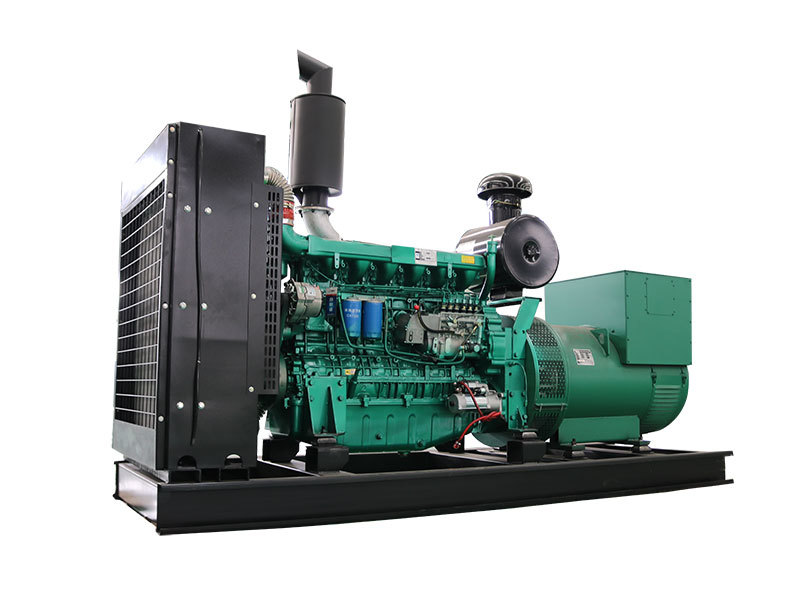
These are larger, more robust units designed for businesses, construction sites, hospitals, and data centers. * Sizing Focus: Meeting the high and often fluctuating demands of complex machinery and multiple systems. * Key Consideration: Load management, power quality, redundancy, and compliance with industry standards. For these applications, a professional assessment is often recommended in addition to using a calculator. A diesel generator capacity calculation for industrial use is a complex task.
## Common Pitfalls to Avoid When Sizing
Even with a calculator, there are still ways to get it wrong. Here are some common mistakes I've seen:
* Ignoring Starting Watts: As mentioned, this is the most frequent error. Always account for the surge required to start motors. * Underestimating Simultaneous Use: Don't assume you'll only run one or two things at a time. Think about a typical scenario during a power outage or a busy workday. * Forgetting About Future Needs: If you plan to expand your home or business, factor that into your initial generator purchase to avoid needing an upgrade soon after. * Relying Solely on Appliance Labels: Sometimes, appliance labels can be inaccurate or provide only the average running wattage. It's good practice to cross-reference or consult manuals. * Not Considering Power Quality: For sensitive electronics like computers, TVs, and medical equipment, you need a generator that provides clean, stable power. Inverter generators are best for this. * Overlooking Fuel Consumption: A generator that's too large will be a constant drain on your fuel budget.
Have you ever experienced a generator that just couldn't keep up? What was the biggest lesson you learned? Sharing experiences can help others avoid similar mistakes.
## Conclusion: Empowering Your Decision with the Right Calculator
Choosing the correct generator set size is a critical decision that impacts reliability, efficiency, and cost. By understanding your power needs, differentiating between running and starting watts, and utilizing a reputable generator set sizing calculator, you can make an informed choice. Remember to always factor in a safety margin and consider your specific application, whether it's for home backup, commercial use, or recreational purposes.
A well-sized generator is an investment in peace of mind and operational continuity. Don't let guesswork leave you unprepared. Use the tools available, do your homework, and ensure you have the power you need, precisely when you need it.
For more detailed information, please visit our official website:generator set sizing calculator
About the author: Alex "The Power Pro" Chen is a seasoned electrical engineer with over 15 years of experience in power generation and distribution systems. He specializes in advising individuals and businesses on selecting and implementing the most efficient and reliable generator solutions. Alex is passionate about demystifying complex technical topics, making them accessible to everyone.