
Fortifying Operations: Essential Backup Power Solutions for Critical Facilities
In today's interconnected world, the continuous operation of critical facilities is not just a matter of convenience; it's a fundamental necessity. From hospitals saving lives to data centers safeguarding our digital infrastructure, and from emergency services coordinating responses to financial institutions managing global transactions, any interruption in power can have catastrophic consequences. Frankly speaking, the reliance on stable, uninterrupted power is absolute. This is where robust backup power solutions for critical facilities come into play, acting as the invisible guardians that keep essential services running when the grid falters.
Understanding the Stakes: Why Backup Power is Non-Negotiable
Critical facilities, by their very definition, are environments where downtime is unacceptable. Think about a hospital during a power outage: life support machines must continue functioning, surgical procedures cannot be halted, and patient records need to be accessible. Or consider a data center: even a few seconds of power loss can result in data corruption, system crashes, and significant financial losses, not to mention reputational damage. The stakes are incredibly high, and the need for reliable backup power solutions for critical facilities is paramount.
Interestingly enough, the threats to power continuity are diverse. They range from natural disasters like hurricanes, earthquakes, and floods to man-made issues such as grid failures, equipment malfunctions, cyberattacks, and even simple human error. Each of these scenarios underscores the vulnerability of a single power source. Have you ever wondered what happens behind the scenes to keep your favorite online service running or the lights on at your local hospital during a storm? It’s a complex interplay of advanced technology and strategic planning.
In my experience, many organizations underestimate the true cost of downtime. It's not just the immediate financial loss; it's the potential for long-term damage to customer trust, regulatory penalties, and, in extreme cases, loss of life. Therefore, investing in comprehensive backup power strategies is not an expense, but a critical investment in resilience and continuity.
The Pillars of Backup Power: Key Technologies Explained
When we talk about backup power, a few core technologies immediately come to mind. These are the workhorses that ensure your critical facility remains powered through any grid instability. Understanding these components is the first step in designing an effective strategy.
Uninterruptible Power Supplies (UPS)
The first line of defense is typically the Uninterruptible Power Supply, or UPS. A UPS is essentially a battery backup system that provides instant, clean power to connected equipment when the main power source is interrupted. It's crucial for sensitive electronics that can be damaged by sudden power fluctuations or shutdowns. Think of it as a high-speed buffer.
How it works: When the utility power is active, the UPS charges its batteries and also passes power through to the connected load. If the utility power fails, the UPS instantly switches to battery power, providing a seamless transition. The duration of power provided by a UPS is typically limited, ranging from a few minutes to several hours, depending on the size of the battery bank and the power demand. This short-term power is often enough to allow for a graceful shutdown of systems or to bridge the gap until a more substantial backup source, like a generator, can take over.
It's worth noting that UPS systems are not just about providing power; they also condition the incoming power, protecting sensitive equipment from surges, sags, and other electrical anomalies that can occur even when the grid is technically "on."
Emergency Generators
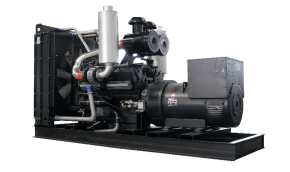
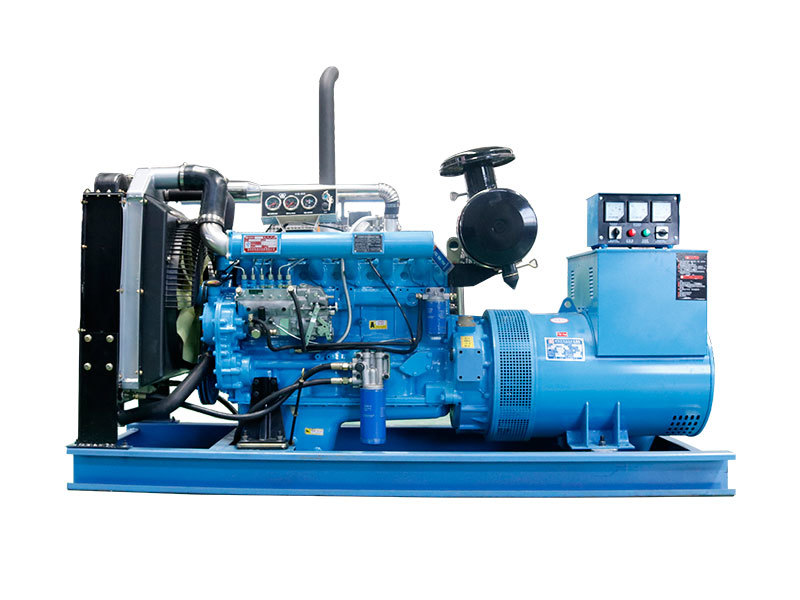
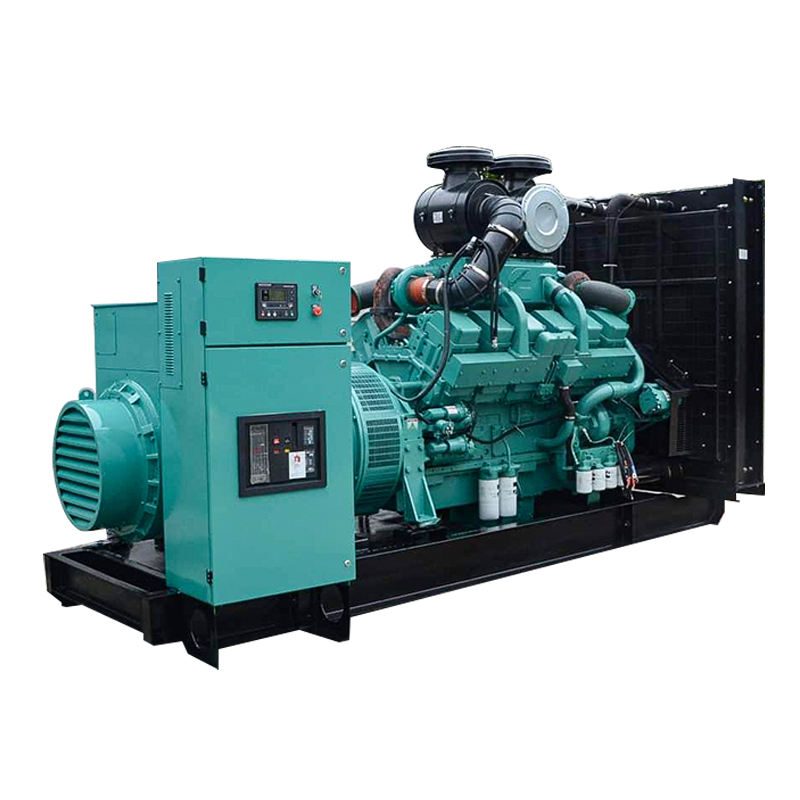
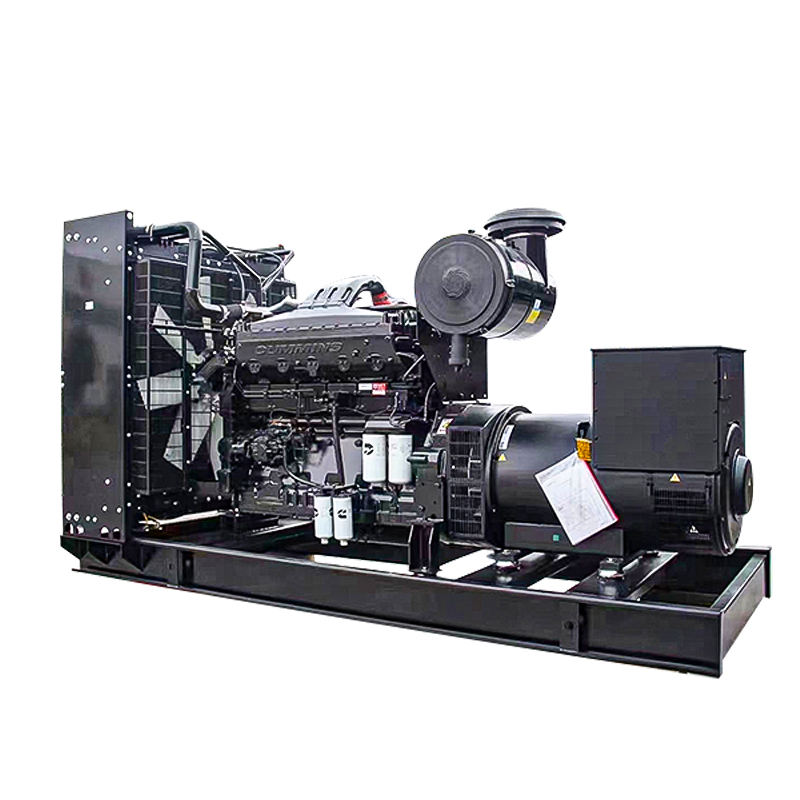
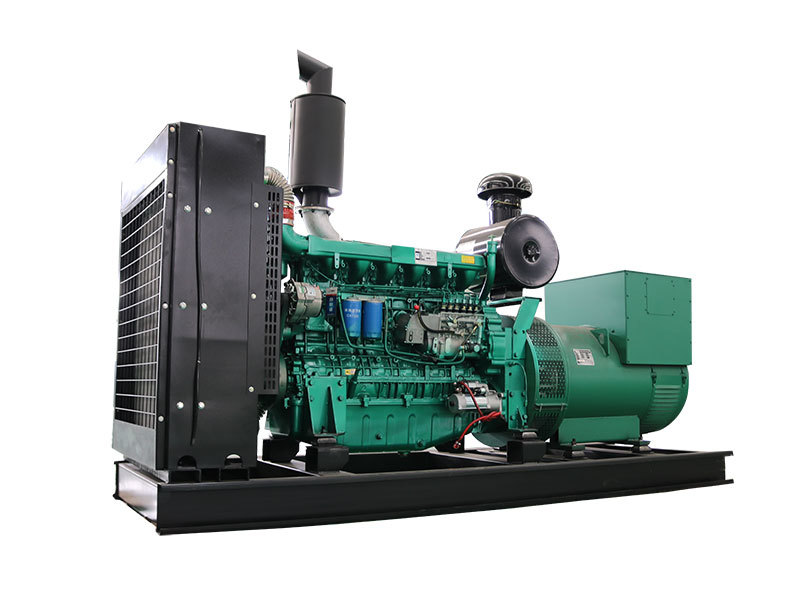
While a UPS provides immediate but short-term power, emergency generators are designed to provide sustained power for extended periods. These are typically diesel, natural gas, or propane-powered engines coupled with alternators.
How it works: When the primary power source fails, a transfer switch detects the outage and signals the generator to start. Once the generator reaches its operating speed and voltage, the transfer switch disconnects the facility from the utility grid and connects it to the generator. This process takes a few seconds, which is why a UPS is essential to cover this brief transition period. Generators can power entire facilities for days or even weeks, provided they have a sufficient fuel supply.
Choosing the right type of generator depends on several factors, including the facility's power requirements, available fuel sources, local environmental regulations, and budget. For instance, diesel generators are powerful and reliable but can be noisy and require regular maintenance. Natural gas generators are cleaner but depend on a continuous gas supply. Many experts agree that a hybrid approach, combining different fuel types or integrating with renewable sources, can offer enhanced resilience.
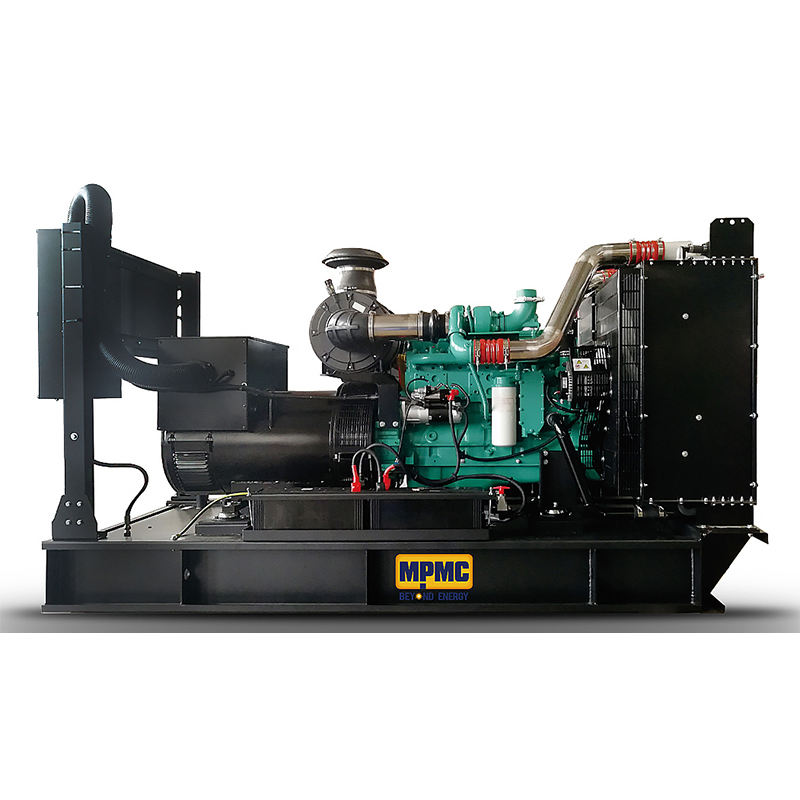
The fuel supply for generators is a critical consideration. Many facilities maintain on-site fuel storage tanks, but the capacity needs to be carefully calculated to ensure adequate runtime during prolonged outages. Regular testing and maintenance of both the generator and its fuel system are absolutely vital to ensure it will perform when needed.
Automatic Transfer Switches (ATS)
The unsung hero of backup power systems is the Automatic Transfer Switch (ATS). This device is the intelligent gatekeeper that manages the flow of electricity between the utility grid and the backup power source.
How it works: The ATS constantly monitors the incoming utility power. If it detects an outage or a significant voltage drop, it automatically signals the generator to start. Once the generator is up and running, the ATS physically disconnects the facility from the utility grid and connects it to the generator. When utility power is restored and stable, the ATS reverses the process, reconnecting the facility to the grid and shutting down the generator.
The speed and reliability of the ATS are crucial. A slow or faulty ATS can mean the difference between a brief, manageable interruption and a prolonged, damaging outage. Modern ATS units often come with advanced monitoring and control capabilities, allowing facility managers to track power status, generator performance, and even initiate manual transfers if necessary.
Designing Your Backup Power Strategy: A Holistic Approach
Implementing effective backup power solutions for critical facilities isn't just about buying the right equipment; it's about developing a comprehensive strategy tailored to the specific needs and risks of the facility. This involves careful planning, risk assessment, and ongoing management.
Risk Assessment and Load Analysis
The first step is to conduct a thorough risk assessment. What are the most likely threats to power continuity in your location? What are the potential consequences of an outage for your specific operations? Following this, a detailed load analysis is essential. This involves identifying all the critical loads within the facility that absolutely must remain powered during an outage. This includes everything from essential IT infrastructure and life support systems to security cameras and emergency lighting.
Key considerations for load analysis:
- Identify essential equipment and systems.
- Determine the power consumption (in watts or kVA) of each critical load.
- Calculate the total required backup power capacity, factoring in potential future expansion.
- Prioritize loads if the total demand exceeds the capacity of available backup systems.
This analysis will dictate the size and type of UPS and generator required, as well as the capacity of the fuel storage. It's a foundational step that prevents overspending on unnecessary capacity or, worse, underestimating needs and leaving critical systems vulnerable.
Redundancy and Tiering
For truly critical operations, redundancy is key. Relying on a single backup power system can be risky. Many facilities implement redundant UPS systems (N+1 or 2N configurations) and multiple generators to ensure that if one component fails, another can take over seamlessly. This is particularly important in data centers and other high-availability environments.
The concept of "tiering" is also relevant, often used in data center design. Tier I facilities have basic backup power, while Tier IV facilities have fully redundant systems with multiple power paths, ensuring the highest level of availability. The appropriate tiering level depends on the criticality of the services provided by the facility.
Maintenance and Testing: The Unsung Heroes of Reliability
Frankly speaking, the most advanced backup power system is useless if it's not properly maintained. Regular testing and preventative maintenance are absolutely crucial. Generators need to be run under load periodically to ensure they start and operate correctly. Batteries in UPS systems have a finite lifespan and need to be tested and replaced proactively.
In my experience, many organizations fall short on this aspect. They invest heavily in equipment but neglect the ongoing maintenance schedule. This can lead to a false sense of security, only to discover the backup system fails when it's most needed. Establishing a rigorous maintenance log and adhering to manufacturer recommendations are non-negotiable for ensuring the reliability of your backup power solutions for critical facilities.
Have you ever heard of a backup generator failing because it wasn't tested regularly? It's a common, and preventable, tragedy.
Beyond Traditional Solutions: Emerging Trends in Power Continuity
The landscape of backup power is constantly evolving. While UPS and generators remain the cornerstones, several emerging trends are enhancing the resilience and sustainability of power continuity strategies.
Hybrid Power Systems and Renewables
Many forward-thinking organizations are exploring hybrid power systems that integrate renewable energy sources like solar or wind power with traditional backup solutions. These systems can reduce reliance on fossil fuels, lower operating costs, and provide an additional layer of resilience. For example, a facility might use solar panels to supplement its power during the day, reducing grid draw and charging battery storage, which can then be used during outages or peak demand periods.
Advanced Monitoring and Predictive Analytics
The advent of the Internet of Things (IoT) and advanced analytics is revolutionizing how backup power systems are managed. Smart sensors can monitor the health of generators, batteries, and transfer switches in real-time, detecting potential issues before they lead to failure. Predictive analytics can forecast component lifespan and recommend proactive maintenance, further enhancing reliability and reducing unexpected downtime. This proactive approach is a significant leap forward in ensuring backup power solutions for critical facilities are always ready.
Microgrids and Energy Storage
The development of microgrids is another significant trend. A microgrid is a localized energy grid that can disconnect from the traditional grid and operate autonomously. They often incorporate renewable energy sources, energy storage systems (like large-scale batteries), and intelligent controls. This allows critical facilities to maintain power independence, even during widespread grid outages. For facilities that absolutely cannot afford any downtime, investing in a robust microgrid solution is becoming increasingly attractive.
Conclusion: Securing the Future with Resilient Power
In conclusion, the importance of reliable backup power solutions for critical facilities cannot be overstated. From ensuring patient safety in hospitals to maintaining financial market stability and safeguarding our digital lives, uninterrupted power is the bedrock of modern society. By understanding the core technologies—UPS, generators, and ATS—and by implementing a holistic strategy that includes thorough risk assessment, load analysis, redundancy, and rigorous maintenance, organizations can build the resilience needed to weather any power disruption.
The future of power continuity lies in embracing innovation, integrating renewable energy, leveraging advanced monitoring, and adopting a proactive approach to maintenance. Investing in these solutions is not just about protecting assets; it's about safeguarding lives, ensuring business continuity, and fortifying the essential services that we all depend on. Frankly speaking, in a world where power outages are an ever-present threat, a robust backup power strategy is no longer a luxury, but a fundamental requirement for survival and success.
For more detailed information, please visit our official website:critical facility backup power
About the author: Alex Chen is a seasoned critical infrastructure consultant with over 15 years of experience advising organizations on power continuity and resilience strategies. He specializes in designing and implementing robust backup power solutions for data centers, healthcare facilities, and government operations, ensuring uninterrupted service delivery in the face of unforeseen challenges. Alex is passionate about leveraging technology to enhance operational reliability.