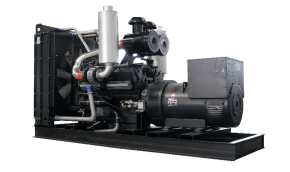

Mastering Industrial Power: Your Guide to Generator Set Sizing Calculator Accuracy
In the demanding world of industrial operations, reliable power isn't just a convenience; it's the lifeblood of productivity, safety, and profitability. When the grid falters, a well-sized generator set is your ultimate safeguard against costly downtime. But how do you ensure you're not overspending on an oversized unit or, worse, risking critical failures with an undersized one? This is where the generator set sizing calculator industrial becomes an indispensable tool. Frankly speaking, getting this calculation right is paramount.
Many businesses, especially those new to backup power solutions or expanding their operations, grapple with the complexity of generator sizing. It's not as simple as picking the biggest unit you can afford. A precise calculation involves understanding your specific load requirements, future growth, and the unique demands of your industrial environment. In my experience, a robust understanding of this process can save significant capital and operational headaches down the line.
Understanding the Core Principles of Industrial Generator Sizing
Before diving into the specifics of using a calculator, it's crucial to grasp the fundamental concepts behind industrial generator sizing. At its heart, it's about matching the generator's capacity to the sum of the electrical loads it needs to support. This isn't just about the total wattage; it's also about the *type* of loads and their starting requirements.
Identifying Your Electrical Loads: The Foundation of Accurate Sizing
The first and most critical step is to meticulously identify all the equipment and systems that will rely on the generator during a power outage. This includes:
- Production Machinery: This is often the largest component. Think about motors, pumps, compressors, and any other heavy-duty equipment.
- HVAC Systems: Maintaining temperature and ventilation is vital for many industrial processes and employee comfort.
- Lighting: Essential for safety and continued operation in certain areas.
- Control Systems and PLCs: The brains of your operation need consistent power.
- IT Infrastructure: Servers, networking equipment, and communication systems.
- Safety Equipment: Emergency lighting, fire suppression systems, and alarms.
- Ancillary Equipment: Office equipment, security systems, and any other essential services.
For each piece of equipment, you need to determine two key figures: its running wattage (the power it consumes continuously) and its starting wattage (the surge of power required to initiate operation, especially for motors). Motor starting can demand several times the running wattage, and this is a common pitfall for those who don't account for it.
The Impact of Motor Loads and Starting Requirements
Interestingly enough, motor-driven loads are where most sizing errors occur. A motor doesn't just draw its rated horsepower; it requires a significant inrush current when it starts. This surge can be anywhere from 3 to 8 times the motor's full-load amperage. When calculating the total load, you need to consider the largest motor starting, as it will dictate a significant portion of your generator's capacity. A sophisticated generator set sizing calculator industrial will prompt you for this information.
It's worth noting that not all motors will start simultaneously. A load management strategy, where loads are brought online sequentially, can sometimes allow for a slightly smaller generator. However, for critical applications, you must assume worst-case scenarios.
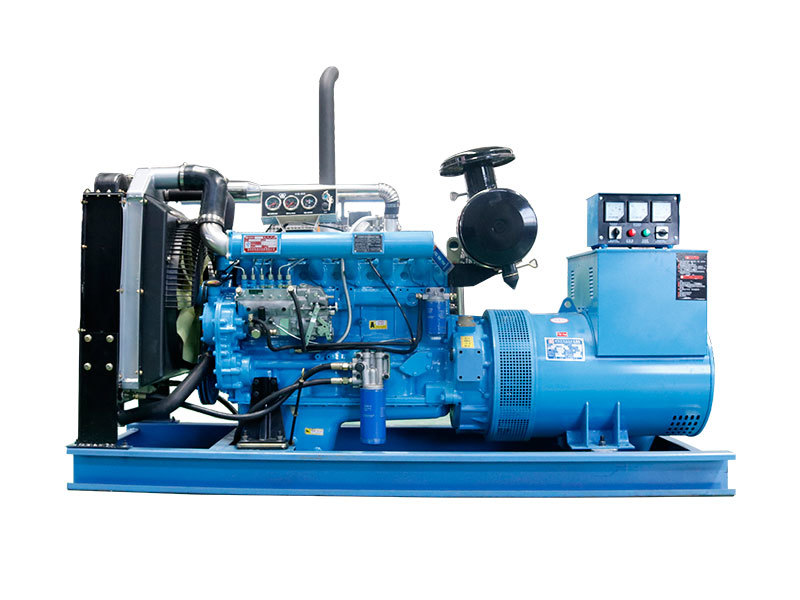
Leveraging the Generator Set Sizing Calculator Industrial
Now that you understand the foundational principles, let's talk about the tool itself: the generator set sizing calculator industrial. These online tools are designed to simplify the complex calculations, but they rely on accurate input from you. Think of it as a sophisticated spreadsheet that does the heavy lifting, but you're the one providing the raw data.
Inputting Your Load Data Accurately
When using a calculator, you'll typically be asked to input the following:
- Continuous Running Watts: The total wattage of all equipment running simultaneously.
- Starting Watts (Inrush Current): The highest starting wattage of any single piece of equipment, or a combination if multiple large motors start at the exact same moment.
- Voltage and Phase: Industrial facilities often use 3-phase power, which has different requirements than single-phase.
- Power Factor: This is a measure of how effectively electrical power is being used. It's particularly important for AC motors and can influence the apparent power (kVA) requirement.
- Altitude and Temperature: Generators can lose power at higher altitudes or in extreme temperatures. Some advanced calculators will factor this in.
- Future Expansion: A wise operator always plans for growth.
Frankly speaking, the accuracy of your input directly determines the accuracy of the output. Don't guess your equipment's wattage; find it on the nameplate or in the manufacturer's specifications.
Understanding the Output: kW vs. kVA
A generator set sizing calculator industrial will typically provide an output in both kilowatts (kW) and kilovolt-amperes (kVA). It's important to understand the difference:
- Kilowatts (kW): This represents the real power, the actual work being done by the generator.
- Kilovolt-Amperes (kVA): This represents the apparent power, which includes both real power and reactive power (needed by inductive loads like motors).
The relationship between kW and kVA is defined by the power factor. For example, if a generator has a power factor of 0.8, then 100 kVA is equivalent to 80 kW. Most industrial applications will require you to size based on kVA to ensure you can handle the reactive power demands of motors and other inductive loads. Many calculators will automatically convert your inputs to kVA or prompt you for the power factor.
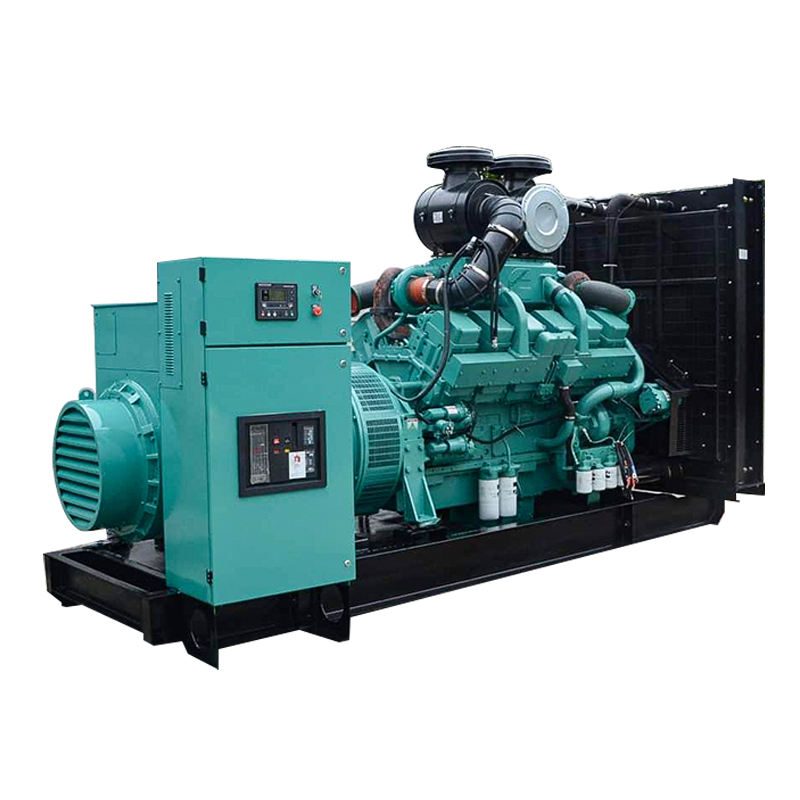
Beyond Basic Sizing: Critical Load Considerations
For many industrial facilities, the generator isn't just about keeping the lights on; it's about powering critical loads that cannot afford any interruption. This is where the concept of critical load generator sizing comes into play, and it often requires a more nuanced approach than a simple sum of all loads.
Defining and Prioritizing Critical Loads
Critical loads are those systems whose failure would result in significant financial loss, safety hazards, or regulatory non-compliance. Examples include:
- Emergency shutdown systems
- Life support equipment in specialized facilities
- Data centers and critical IT infrastructure
- Key manufacturing processes that cannot be easily restarted
- Refrigeration for sensitive materials
When sizing for critical loads, the priority is often on ensuring these systems have power immediately and consistently. This might mean having a separate, smaller generator dedicated solely to the most vital functions, or it could mean ensuring your main backup generator is robust enough to handle them with ample headroom.
The Role of Automatic Transfer Switches (ATS)
The seamless transition from utility power to generator power is managed by an Automatic Transfer Switch (ATS). For critical applications, the speed and reliability of the ATS are as important as the generator itself. A properly configured ATS ensures that loads are transferred within milliseconds, minimizing any disruption. When using a generator set sizing calculator industrial, remember that the generator needs to be sized to handle the immediate load transfer, including any inrush currents from critical equipment.
Future-Proofing Your Industrial Power Solution
One of the most common mistakes I've seen is sizing a generator based solely on current needs, without considering future growth. Industrial operations evolve. New machinery is added, processes are upgraded, and production volumes increase. If your generator set is too close to its capacity limit from day one, you'll quickly find yourself needing an expensive upgrade sooner than you anticipated.
Accounting for Expansion and Increased Demand
When using your generator set sizing calculator industrial, always allocate a buffer for future expansion. A common recommendation is to add 20-25% to your calculated total load. This provides flexibility and ensures your investment remains adequate for years to come. Think about your business plan: are you expecting to increase production? Are there new technologies on the horizon that will require more power? Factor these possibilities into your calculations.
Considering Load Management Strategies
While a generator set sizing calculator industrial helps determine the *maximum* capacity needed, smart operators also employ load management. This involves:
- Load Shedding: Automatically disconnecting non-essential loads when the generator is operating at or near its capacity.
- Sequential Starting: Programming the ATS to start large loads one after another, rather than all at once, to reduce the peak starting demand.
- Variable Frequency Drives (VFDs): These can help reduce the starting current of motors.
These strategies can sometimes allow for a slightly smaller generator than would be required if all loads were to start simultaneously. However, it's crucial to consult with a power generation expert to ensure these strategies are implemented correctly and don't compromise the reliability of essential systems.
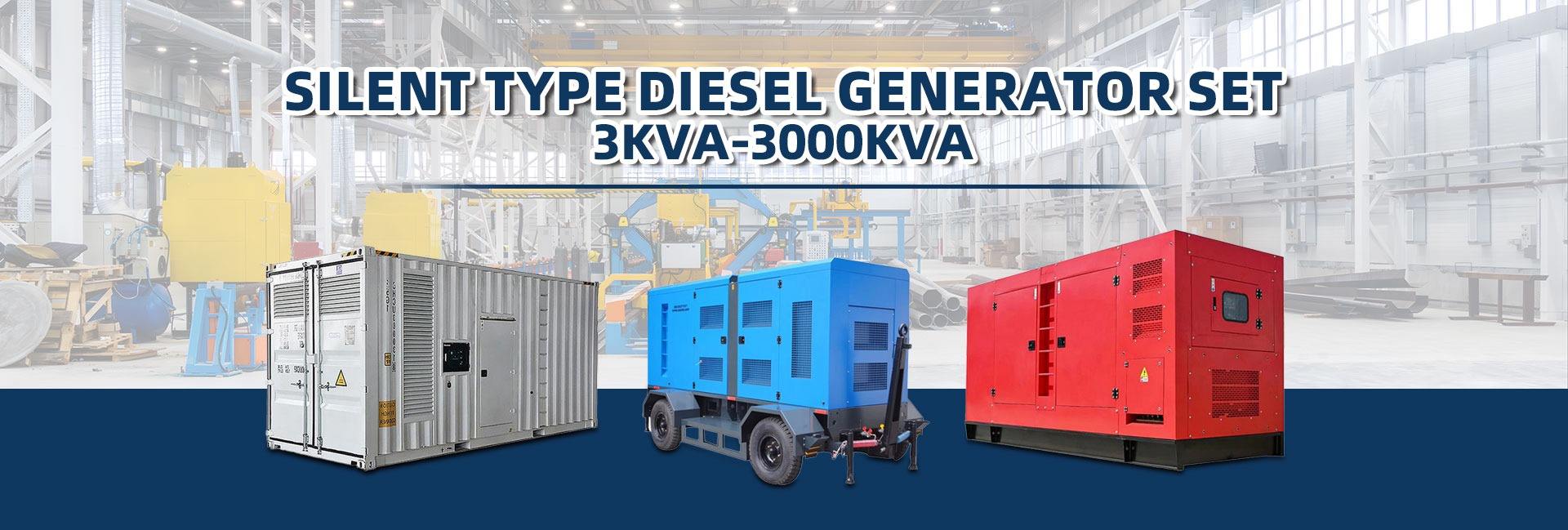
Choosing the Right Generator Set and Professional Consultation
Once you've used a generator set sizing calculator industrial and have a clear understanding of your required capacity (in kW and kVA), the next step is selecting the right generator set. This involves considering not just the size but also:
- Fuel Type: Diesel, natural gas, propane – each has its pros and cons for industrial use.
- Brand and Reliability: Opt for reputable manufacturers known for durability and support.
- Emissions Standards: Ensure compliance with local and national regulations.
- Noise Levels: Important for operating in populated areas or sensitive environments.
- Maintenance Requirements: Factor in ongoing service needs.
To be honest, while a calculator is an excellent starting point, it's not a substitute for professional expertise. The nuances of industrial power systems, including harmonics, voltage regulation, and complex load interactions, can be intricate. Many experts agree that consulting with a qualified electrical engineer or a reputable generator supplier is a vital part of the process. They can review your calculator results, assess your specific site conditions, and recommend the most appropriate and cost-effective solution. This ensures you have a robust, reliable power backup that meets all your operational needs and regulatory requirements.
Have you ever underestimated your power needs and faced the consequences? Share your experiences in the comments below!
For more detailed information, please visit our official website:generator set sizing calculator industrial
About the author: An industry veteran with over 15 years of experience in industrial power solutions, Alex Thompson is a leading consultant specializing in backup power systems. His expertise spans generator set sizing, critical load analysis, and the implementation of robust power continuity strategies for manufacturing, data centers, and heavy industry. Alex is passionate about helping businesses navigate the complexities of power generation to ensure operational resilience and efficiency.