
Diesel Generators: The Unbiased Pros and Cons You Need to Know
The lights flicker, then die. A sudden, unnerving silence descends. In that moment, the value of reliable backup power becomes crystal clear. For decades, the undisputed workhorse in the world of backup power has been the diesel generator. From massive industrial sites and hospitals to remote farms and large homes, these machines are trusted to keep the lights on when the grid fails. But are they the right choice for everyone? Frankly speaking, it’s not a simple yes or no answer.
Choosing a generator is a significant investment, and it’s crucial to look beyond the initial sales pitch. Have you ever wondered what really separates a diesel generator from its gasoline or natural gas counterparts? The answer lies in a complex balance of benefits and drawbacks. This guide will provide an honest, in-depth exploration of the advantages and disadvantages of diesel generators, helping you make an informed decision for your power needs.
The Powerhouse Advantages: Why Diesel Often Reigns Supreme
It's no accident that diesel generators are the go-to for critical, heavy-duty applications. Their reputation for reliability and strength is well-earned. Let's break down the compelling reasons why so many people swear by them.
Fuel Efficiency and Long-Term Cost-Effectiveness
One of the most significant selling points is diesel generator fuel efficiency. Diesel engines are built on a principle of compression ignition, meaning they don't require a spark plug. This design allows them to run more efficiently than gasoline engines of a similar size. In my experience, a diesel generator can consume up to 30-50% less fuel than a comparable gasoline model to produce the same amount of power. While diesel fuel can sometimes be more expensive at the pump, this superior efficiency translates into lower long-term operating costs, especially for units that run frequently or for extended periods.
Unmatched Durability and Longevity
Diesel engines are, to put it simply, built like tanks. They operate at a lower RPM (revolutions per minute) than gasoline engines—typically 1800 RPM compared to 3600 RPM. This slower speed means significantly less wear and tear on internal components. Additionally, diesel engines run cooler than their gasoline counterparts due to the higher energy density of the fuel and the lubricating properties of diesel itself. It's not uncommon for a well-maintained diesel generator to last for 20,000 to 30,000 hours of operation before needing a major overhaul. A gasoline generator, on the other hand, might only last for a fraction of that time.
High Power Output and Stable Performance
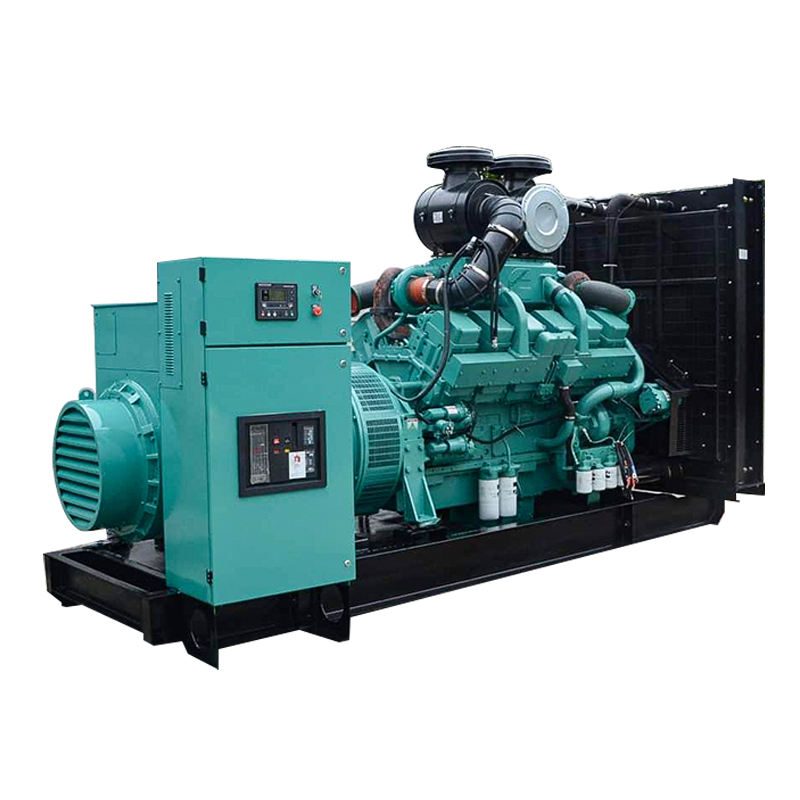
When you need serious power, diesel delivers. These generators are renowned for their ability to handle large electrical loads and provide a stable, consistent power output. This makes them ideal for powering sensitive electronics, large machinery, or entire properties. They produce significant torque, which allows them to respond quickly to changes in load without faltering—a crucial feature for industrial applications or for starting large motors like those in HVAC systems or well pumps.
Lower Maintenance Requirements
Interestingly enough, despite their robust nature, diesel generators often require less frequent maintenance than gasoline engines. Because they lack spark plugs and carburetors, two common points of failure in gasoline engines are eliminated entirely. The primary maintenance tasks involve regular oil changes, and filter (fuel, oil, air) replacements. While these tasks are non-negotiable for ensuring longevity, the overall service interval is generally longer, making them a more "set it and forget it" solution for many users.
The Flip Side: Unpacking the Disadvantages of Diesel Generators
Of course, no power solution is perfect. To be honest, the drawbacks of diesel generators can be significant and are often the deciding factors for potential buyers. It's crucial to weigh these cons against the powerful benefits.
Higher Initial Investment
There's no getting around it: diesel generators are expensive upfront. The robust engineering, heavier components, and more complex fuel injection systems contribute to a higher manufacturing cost. You can expect to pay considerably more for a diesel generator than for a gasoline or propane model with a similar kilowatt (kW) rating. This initial cost can be a major hurdle for homeowners or small businesses on a tight budget.
The Noise and Vibration Factor
Diesel engines are loud. The high compression ratio that makes them so efficient also results in a distinct, low-frequency "clatter" that is much more pronounced than the hum of a natural gas generator. While modern units often come with sound-attenuating enclosures, they are still far from silent. This can be a serious issue in residential neighborhoods with noise ordinances or for applications where a quiet environment is necessary. The vibrations can also be substantial, requiring a solid, purpose-built concrete pad for installation.

Significant Environmental Impact
This is perhaps the most pressing concern in today's world. Traditional diesel engines emit higher levels of pollutants, including nitrogen oxides (NOx), particulate matter (soot), and sulfur oxides, compared to natural gas or propane. While stringent regulations like the EPA's Tier 4 Final standards have forced manufacturers to develop much cleaner-burning engines with advanced exhaust treatment systems, these technologies add complexity and cost. For environmentally-conscious buyers or those in areas with strict emissions regulations, this can be a deal-breaker.
Fuel Storage and Stability Challenges
Storing diesel fuel long-term presents its own set of challenges. Diesel is susceptible to contamination from water (through condensation) and microbial growth (the dreaded "diesel bug" or algae). If left untreated, this can clog fuel filters and damage sensitive injector components. Proper storage requires a well-maintained tank and often the use of fuel stabilizers and biocides, adding another layer of maintenance to the ownership experience.
A Head-to-Head Comparison: Diesel vs. Other Generator Types
To truly understand the pros and cons of diesel power generators, it helps to see how they stack up against the competition.
- Diesel vs. Gasoline: Gasoline generators are cheaper and more portable, making them great for smaller, intermittent jobs. However, they are less fuel-efficient, have a much shorter lifespan, and gasoline is more flammable and harder to store safely long-term. Diesel wins on longevity, efficiency, and raw power.
- Diesel vs. Natural Gas/Propane: Natural gas generators are a popular choice for residential backup because they are quieter, burn cleaner, and can be connected directly to a utility line, eliminating refueling concerns. Their downside is a lower power density and dependence on an uninterrupted gas supply, which could be compromised in some disasters. Propane offers a cleaner burn than diesel but requires large storage tanks.
- Diesel vs. Solar with Battery Backup: The green alternative. Solar is silent, emission-free, and has very low running costs. However, the initial investment is extremely high, and power generation is dependent on weather and limited by battery capacity. It's fantastic for off-grid living but may not have the on-demand, high-output power of a diesel generator needed for critical industrial backups.
Making the Right Choice: Is a Diesel Generator Worth It for You?
So, after weighing the evidence, the big question remains: is a diesel generator worth it for your specific needs? The answer depends entirely on your priorities and application.
Ideal Use Cases for Diesel Generators
Many experts agree that diesel generators truly shine in specific scenarios:
- Industrial and Commercial Sites: Factories, data centers, and construction sites that require massive, reliable power for heavy machinery.
- Critical Facilities: Hospitals, emergency services, and water treatment plants where power failure is not an option.
- Large Agricultural Operations: Farms that need to power irrigation systems, barns, and other heavy equipment far from a stable grid.
- Large Homes in Remote Areas: For properties with high power needs that experience frequent or prolonged outages, a diesel generator provides unparalleled peace of mind and performance.
Key Factors to Consider Before You Buy
Before you make a final decision, ask yourself these questions:
- What are my true power needs? Calculate your required wattage carefully. Over- or under-sizing a generator is a costly mistake.
- What is my budget? Consider both the upfront purchase price and the long-term fuel and maintenance costs.
- Where will the generator be located? Do you have space for a large, heavy unit? Are there noise or emission restrictions in your area?
- Can I handle the maintenance? Are you prepared for the responsibilities of fuel storage and regular servicing?
Considering these points will help you move beyond a simple list of pros and cons and into a practical decision that fits your life. What's your biggest priority in a backup power source—is it cost, reliability, or environmental impact?
The Final Verdict on the Advantages and Disadvantages of Diesel Generators
In the end, the diesel generator remains a formidable and, in many cases, indispensable tool. Its core advantages—incredible fuel efficiency, rock-solid durability, and immense power output—are hard to beat for demanding applications. It is a true marathon runner in a world of sprinters.
However, these strengths are balanced by undeniable disadvantages: a high initial cost, significant noise and vibration, and a larger environmental footprint. A thorough understanding of the advantages and disadvantages of diesel generators is the first and most important step. For the right user in the right situation, a diesel generator isn't just a good choice; it's the only choice. For others, a quieter, cleaner, or more affordable alternative might be the smarter path. The power to choose is, quite literally, in your hands.
For more detailed information, please visit our official website:advantages and disadvantages of diesel generators
About the author: David Chen is a certified power systems engineer with over 15 years of experience designing and implementing backup power solutions for residential, commercial, and industrial clients. He specializes in generator technology and off-grid power systems, helping people achieve energy independence and security. When he isn't tinkering with engines, David enjoys hiking and sharing his expertise through technical writing.