
Powering Life: Essential Generator Sets for Emergency Hospital Preparedness
# Powering Life: Essential Generator Sets for Emergency Hospital Preparedness
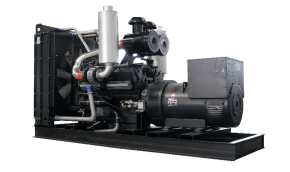
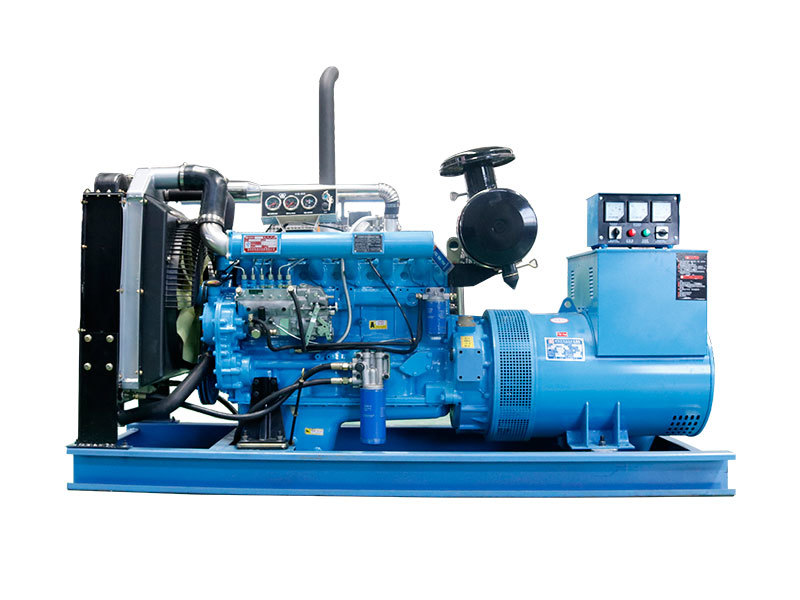
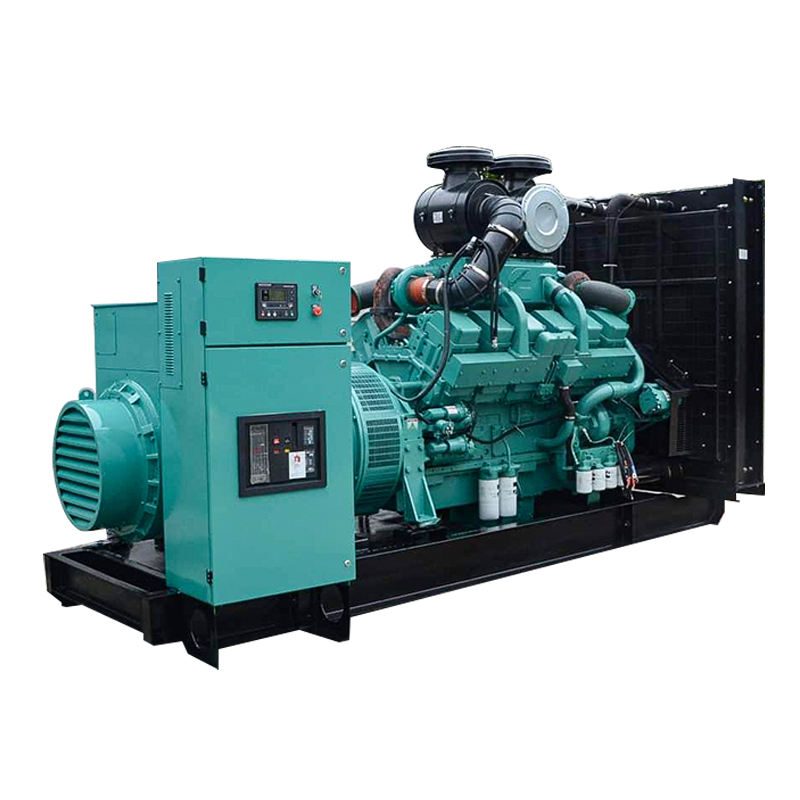
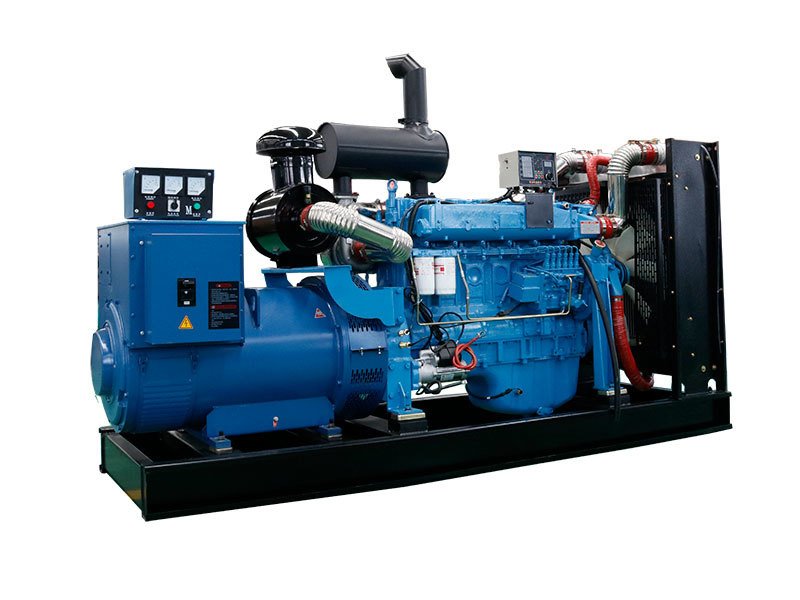
The hum of life support machines, the glow of surgical lights, the constant flow of critical patient data – these are the arteries of any hospital. But what happens when the main power grid falters? Frankly speaking, the consequences can be catastrophic. This is precisely where a robust and reliable generator set for emergency hospital use becomes not just a piece of equipment, but a lifeline. In my experience, many healthcare facilities underestimate the sheer dependency on continuous power, especially during unforeseen events like natural disasters, grid failures, or even localized accidents.
## The Indispensable Role of Backup Power in Healthcare
Hospitals are unique environments. Unlike a home or an office, a power outage here doesn't just mean dim lights or a lost internet connection. It means potentially life-threatening interruptions to critical medical equipment. Think about it: ventilators keeping patients breathing, defibrillators ready for cardiac emergencies, imaging machines crucial for diagnosis, and even basic lighting for staff to navigate and provide care. Losing power, even for a few minutes, can have dire repercussions.
This is why regulatory bodies worldwide mandate stringent backup power requirements for healthcare facilities. These aren't suggestions; they are essential safety protocols designed to protect vulnerable patients. A well-chosen generator set for emergency hospital use ensures that these critical systems remain operational, providing a seamless transition from grid power to generator power with minimal to no disruption. It's worth noting that the transition time is a crucial factor, and modern generator sets are designed for near-instantaneous switchover.
### Understanding Critical Loads in a Hospital Setting
Before diving into generator specifications, it’s vital to understand what constitutes a "critical load" in a hospital. These are the essential services and equipment that absolutely *must* remain powered at all times.
* Life Support Systems: Ventilators, dialysis machines, incubators, anesthesia machines. * Surgical and Diagnostic Equipment: Operating room lights, imaging equipment (MRI, CT scanners), X-ray machines, laboratory analyzers. * Emergency Response Systems: Nurse call systems, fire alarms, emergency lighting, communication systems. * Refrigeration: For medications, blood banks, and laboratory samples. * IT Infrastructure: Patient record systems, network servers, communication hubs.
Accurately identifying and quantifying these critical loads is the first step in selecting the right generator. Many experts agree that a thorough load bank study, conducted by qualified engineers, is indispensable for this process.
## Key Considerations When Selecting a Generator Set
Choosing a generator set for emergency hospital use is a significant investment, and it requires careful consideration of several factors. It's not simply a matter of picking the largest engine; a nuanced approach is necessary.
### Sizing Matters: Matching Power Output to Demand
The most critical aspect of generator selection is proper sizing. An undersized generator will struggle to meet the demand, leading to voltage drops, equipment damage, and potential failure. An oversized generator, while ensuring power, can be inefficient and more costly to operate.
The total wattage required by all critical loads, plus a safety margin for future expansion or unforeseen demands, dictates the generator's capacity. This is often expressed in kilowatts (kW) or kilovolt-amperes (kVA). It's important to consider both the "prime" and "standby" ratings. Standby power is the maximum wattage the generator can supply for a limited time during an emergency, while prime power is what it can deliver continuously. For hospital use, standby ratings are typically the primary consideration.
### Fuel Type and Availability: The Lifeline's Sustenance
Generators run on fuel, and the choice of fuel significantly impacts reliability and operational longevity.
* Diesel Generators: These are the most common choice for hospital applications. They are known for their durability, efficiency, and ability to handle heavy loads. Diesel fuel is also widely available and has a good shelf life when stored properly. * Natural Gas Generators: While often cleaner burning, natural gas generators rely on a continuous supply from the utility grid, which itself could be compromised during an emergency. Therefore, they are often used as a secondary backup or in conjunction with other fuel sources. * Propane (LPG) Generators: Similar to natural gas, propane availability can be a concern during widespread emergencies. They are typically used for smaller backup needs.
For a comprehensive hospital backup power solution, diesel remains the industry standard due to its inherent reliability and independence from the primary utility infrastructure.
### Transfer Switches: The Seamless Transition Mechanism
A generator is only as good as its ability to automatically take over when the main power fails. This is where automatic transfer switches (ATS) come into play. The ATS monitors the incoming utility power. When it detects a loss or significant fluctuation, it signals the generator to start and then disconnects the hospital from the grid, connecting it to the generator power. Conversely, when utility power is restored and stable, the ATS switches the load back to the grid and signals the generator to shut down.
The speed and reliability of the ATS are paramount. Modern ATS units can switch in mere seconds, ensuring that critical equipment experiences minimal interruption. Many experts agree that a dual ATS system can offer an additional layer of redundancy.
### Emissions and Environmental Considerations
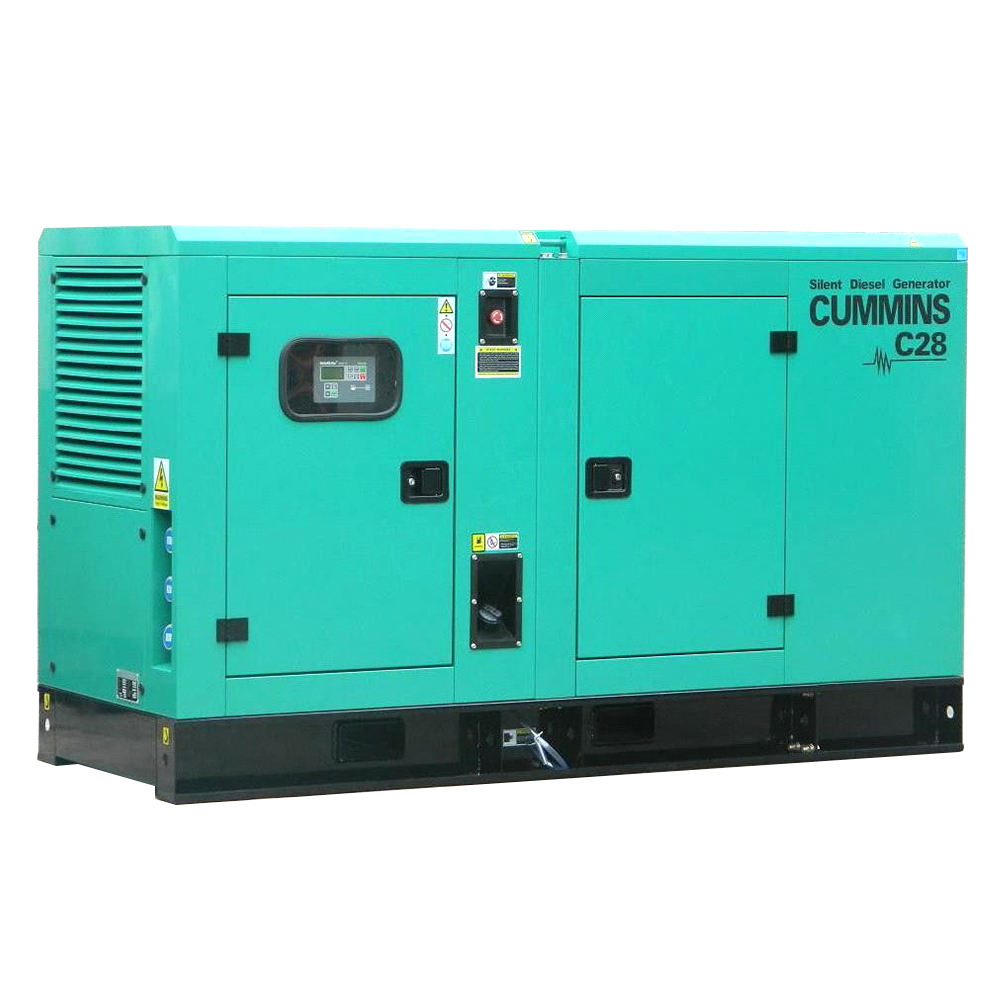
Hospitals are often located in populated areas, and emissions from generators can be a concern. Modern diesel generators are designed with advanced emission control technologies to meet stringent environmental regulations. It's important to select a generator that complies with local and national environmental standards. Furthermore, noise pollution is another factor to consider, especially for generators located near patient wards. Sound-attenuated enclosures are standard for hospital-grade generators to minimize noise disruption.
## Installation, Maintenance, and Testing: Ensuring Peak Performance
A generator set is a complex piece of machinery, and its effectiveness hinges on proper installation, regular maintenance, and rigorous testing.
### Professional Installation: Setting the Foundation for Reliability
Installing a generator set for emergency hospital use is not a DIY project. It requires licensed electricians and mechanical engineers to ensure the system is correctly wired, plumbed, and integrated with the hospital's electrical infrastructure. This includes:
* Proper Ventilation: Generators produce exhaust fumes and heat, requiring adequate ventilation to prevent overheating and the buildup of dangerous gases. * Fuel Storage: Safe and compliant fuel storage is critical. This involves tanks that meet all safety and environmental regulations, with provisions for regular fuel testing and treatment to prevent degradation. * Load Bank Testing: This is a crucial step during installation and commissioning. A load bank artificially applies an electrical load to the generator, simulating real-world operating conditions. This verifies the generator's capacity, stability, and ability to handle the hospital's critical loads without faltering.
### The Crucial Role of Regular Maintenance
In my experience, neglecting generator maintenance is one of the most common mistakes facilities make. A generator that hasn't been run or serviced regularly is a ticking time bomb. Regular maintenance ensures that all components are functioning optimally and can prevent costly breakdowns during an actual emergency.
Key maintenance tasks include:
* Fluid Checks: Regular checks of oil, coolant, and fuel levels. * Filter Replacement: Air, fuel, and oil filters need periodic replacement. * Battery Maintenance: Generator starting batteries must be kept in excellent condition. * Cooling System Inspection: Ensuring the radiator and cooling fans are clean and functioning. * Exhaust System Check: Inspecting for leaks or blockages.
### Routine Testing: The Ultimate Assurance
Beyond scheduled maintenance, routine testing is non-negotiable. Hospitals typically conduct weekly or bi-weekly automatic tests of their generator sets. These tests involve the generator starting up and running under load for a set period, verifying its readiness without human intervention.
Furthermore, periodic load bank testing, often annually or semi-annually, is essential. This simulates a full power outage and allows engineers to observe the generator's performance under maximum load conditions. Have you ever wondered how often these critical systems are put to the test? The answer is frequently, and that's exactly how it should be.
## Beyond the Generator: Comprehensive Emergency Preparedness
While a high-quality generator set for emergency hospital use is a cornerstone of preparedness, it's just one piece of a larger puzzle. True emergency readiness involves a holistic approach.
### Redundancy and Tiered Power Systems
For the most critical healthcare facilities, redundancy is key. This might involve having multiple generator sets, ensuring that if one unit fails, another can immediately take over. Some advanced facilities employ tiered power systems, where different levels of power are available for different types of equipment, ensuring that the most vital life support systems always have priority.
### Fuel Supply Management
As mentioned, fuel is the generator's lifeblood. Hospitals need robust fuel management plans, including:
* Adequate Storage Capacity: Sufficient fuel on-site to run generators for extended periods (e.g., 24-72 hours or more). * Fuel Quality Monitoring: Regular testing of stored fuel for contaminants and degradation. * Emergency Refueling Contracts: Pre-arranged agreements with fuel suppliers for priority delivery during emergencies.
### Staff Training and Emergency Protocols
Even the best equipment is useless if staff aren't trained on how to operate it and what to do during a power outage. Comprehensive emergency protocols should include clear procedures for:
* Responding to power failure alerts. * Monitoring generator performance. * Manually overriding systems if necessary. * Communicating effectively during an outage.
Interestly enough, I've seen situations where well-trained staff have managed to keep critical systems running even when automated systems encountered minor hiccups, simply because they knew their equipment and protocols inside out.
## The Future of Hospital Power Generation
The technology behind generator sets is constantly evolving. We're seeing advancements in:
* Hybrid Systems: Combining generator power with battery storage for even faster response times and reduced reliance on fossil fuels. * Smart Grid Integration: Generators that can intelligently interact with the main grid, potentially feeding power back during non-emergency periods to improve grid stability and reduce costs. * Remote Monitoring and Diagnostics: Advanced systems that allow for real-time monitoring of generator performance and predictive maintenance, alerting staff to potential issues before they become critical failures.
These innovations promise even greater reliability and efficiency for emergency hospital power solutions.
In conclusion, the selection, installation, maintenance, and testing of a generator set for emergency hospital use are critical undertakings that directly impact patient safety and the continuity of care. It's an investment in resilience, a testament to a facility's commitment to its patients, and a vital component of modern healthcare infrastructure.
For more detailed information, please visit our official website:hospital backup generator
About the author: Dr. Anya Sharma is a seasoned biomedical engineer with over 15 years of experience specializing in critical infrastructure for healthcare facilities. Her expertise lies in power systems, life support technology, and emergency preparedness planning. Dr. Sharma is passionate about ensuring that hospitals have the robust systems necessary to provide uninterrupted patient care, especially during times of crisis.