
Powering the Uninterrupted: Your Guide to a 100kW Diesel Generator Set for Data Center Backup
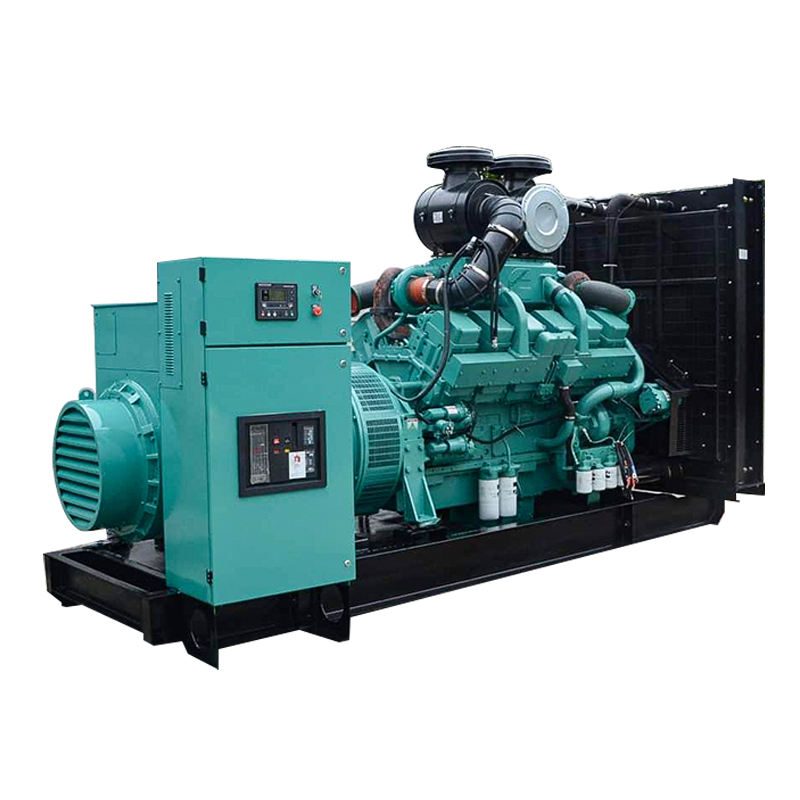
In the fast-paced digital world, data centers are the unsung heroes, housing the vast amounts of information that power our daily lives. From cloud computing and e-commerce to financial transactions and critical research, these facilities operate 24/7. But what happens when the grid flickers? The answer, frankly speaking, is catastrophic downtime, leading to massive financial losses, reputational damage, and potential data corruption. This is where a robust backup power solution becomes not just a luxury, but an absolute necessity. Specifically, a 100kW diesel generator set for data center backup is a cornerstone of ensuring uninterrupted operations.
Have you ever stopped to think about the sheer amount of power a modern data center consumes? It's immense. And the consequences of even a brief power interruption can be devastating. In my experience, many organizations underestimate the criticality of their backup power strategy until it's too late. This article aims to shed light on why a 100kW diesel generator is a smart, reliable choice for safeguarding your data center's continuity.
Understanding the Critical Need for Data Center Backup Power
Data centers are complex ecosystems of servers, storage devices, networking equipment, and cooling systems, all demanding a constant, stable power supply. The slightest deviation in voltage or frequency can trigger cascading failures, leading to system shutdowns. The costs associated with downtime are staggering. Industry reports consistently highlight that a single hour of data center downtime can cost businesses anywhere from thousands to millions of dollars. This isn't just about lost revenue; it's about lost productivity, compromised customer trust, and potential regulatory penalties, especially for industries like finance and healthcare.
The electrical grid, while generally reliable, is susceptible to a myriad of issues: extreme weather events, equipment failures, accidents, and even cyber-attacks. These external factors can lead to power outages of varying durations. Relying solely on the utility grid for a data center is akin to building a skyscraper on a foundation of sand. It's a gamble that few can afford to take.
This is precisely why a comprehensive backup power strategy is paramount. It acts as a safety net, ensuring that critical systems remain operational during grid failures. The goal is not just to have a backup, but to have a *seamless* and *immediate* transition to that backup power. This is where the efficiency and responsiveness of a diesel generator come into play.
Why a 100kW Diesel Generator Set is an Ideal Choice
When considering backup power for a data center, several factors come into play: capacity, reliability, cost-effectiveness, and speed of deployment. A 100kW diesel generator set for data center backup often hits the sweet spot for many mid-sized to large data centers, or for specific critical zones within larger facilities. Let's break down why.
Power Capacity and Scalability
A 100kW generator provides a substantial amount of power, capable of supporting a significant portion of a data center's critical load. This includes essential IT equipment, cooling systems, and essential lighting. The "kW" (kilowatt) rating signifies the generator's maximum continuous power output. For many data centers, 100kW is a perfect balance, offering enough power to maintain essential services without being excessively oversized, which can lead to inefficiencies.
Interestingly enough, the modular nature of power systems means that if a 100kW unit isn't sufficient for your entire facility, you can deploy multiple units or plan for future expansion. This scalability is a key advantage. It allows businesses to invest in their current needs while having a clear path to increasing their backup power capacity as their data center grows.
Reliability and Durability of Diesel Technology
Diesel engines have a long-standing reputation for their robustness and longevity. They are known for their ability to handle heavy loads and operate reliably under demanding conditions. Unlike gasoline engines, diesel engines are designed for endurance and efficiency, making them ideal for long-duration power outages. The fuel itself, diesel, is also relatively stable and easy to store.
Furthermore, diesel generators are less susceptible to the environmental factors that can affect other power sources. They are a proven technology that has been the backbone of backup power for critical infrastructure for decades. When you invest in a 100kW diesel generator set, you're investing in a proven track record of dependability.
Speed of Response and Automatic Transfer Switches (ATS)
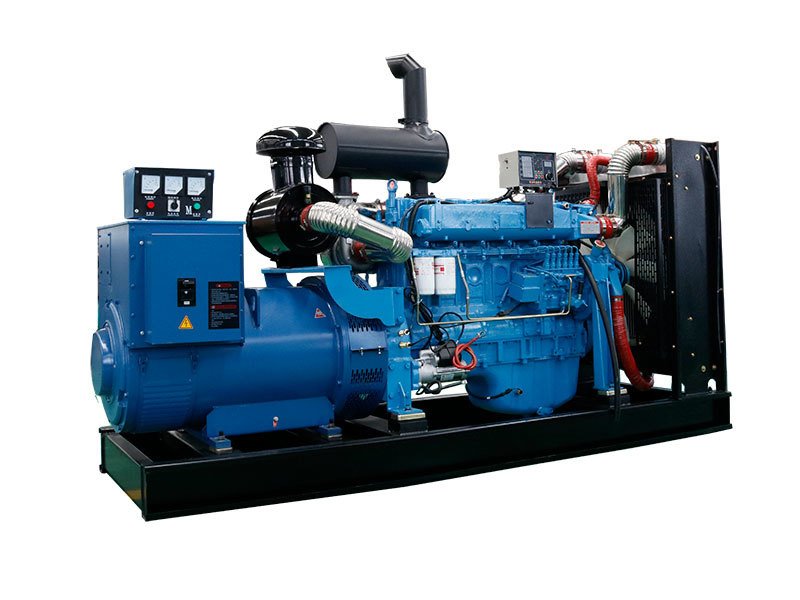
One of the most critical aspects of data center backup power is the speed at which it can take over from the grid. A well-integrated system, featuring an Automatic Transfer Switch (ATS), ensures a near-instantaneous transition. When the ATS detects a loss of utility power, it signals the generator to start. Within seconds, the generator reaches its operating speed and voltage, and the ATS switches the load from the grid to the generator. This seamless transfer is crucial for preventing any disruption to sensitive IT equipment.
The typical startup time for a quality diesel generator is often between 10 to 30 seconds. For a data center, this is an acceptable window, especially when compared to the potential hours or days of downtime without any backup. The reliability of the ATS working in conjunction with the generator is paramount.
Cost-Effectiveness and Total Cost of Ownership
While the initial investment in a 100kW diesel generator set can be significant, its total cost of ownership is often highly competitive, especially when considering the cost of downtime. Diesel generators are generally more fuel-efficient than their gasoline counterparts, leading to lower operating costs during extended run times. The durability of diesel engines also translates to lower maintenance costs and a longer operational lifespan.
Moreover, compared to other backup power solutions like large-scale battery storage systems, diesel generators can offer a more immediate and cost-effective solution for achieving substantial backup capacity. The infrastructure required for installation is also relatively straightforward.
Key Considerations When Selecting a 100kW Diesel Generator Set
Choosing the right 100kW diesel generator set involves more than just looking at the power rating. Several factors need careful consideration to ensure optimal performance and longevity for your data center.
Fuel Storage and Management
A generator is only as good as its fuel supply. For a data center, ensuring a consistent and adequate supply of diesel fuel is critical. This typically involves installing on-site fuel tanks. The size of these tanks will depend on the estimated duration of power outages you need to cover and the generator's fuel consumption rate. Regular fuel testing and maintenance are essential to prevent contamination and ensure fuel quality.
It's worth noting that fuel polishing services can help maintain the integrity of stored diesel fuel, removing water and sediment that can degrade fuel quality over time. This proactive approach can save a lot of headaches down the line.
Noise and Emissions Control
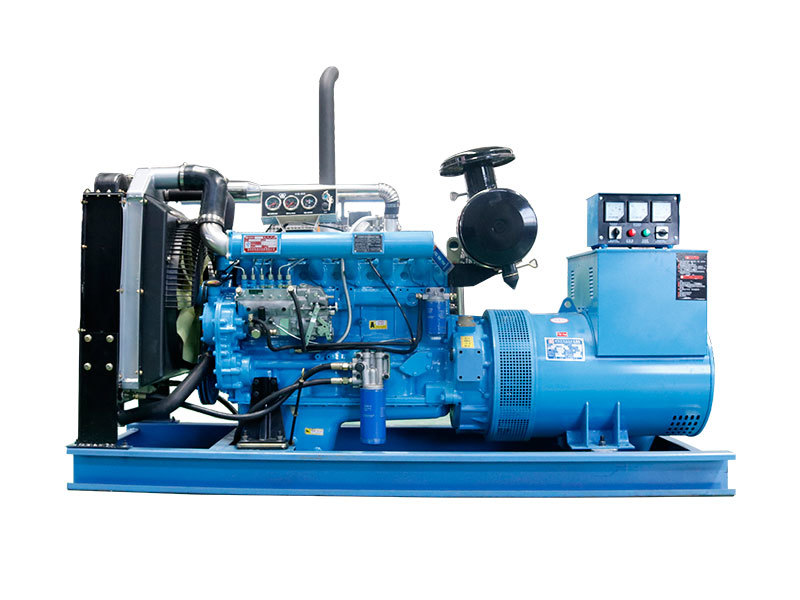
Diesel generators, by their nature, can be noisy and produce exhaust emissions. Data centers are often located in urban or suburban areas where noise pollution and emissions regulations are strict. Therefore, selecting a generator with robust sound attenuation enclosures is crucial. These enclosures significantly reduce the operational noise levels, ensuring compliance with local ordinances and minimizing disturbance to surrounding areas.
Similarly, emissions control systems, such as diesel particulate filters (DPFs) and selective catalytic reduction (SCR) systems, are increasingly important for meeting environmental standards. Many modern generators are designed with these technologies integrated to minimize their environmental impact.
Cooling and Ventilation Requirements
Diesel engines generate a significant amount of heat during operation. The generator set needs adequate ventilation to prevent overheating. This includes ensuring proper airflow around the unit and, if installed indoors, providing an effective exhaust ventilation system to safely expel hot air and combustion gases. Overheating can lead to reduced efficiency, premature wear, and potential equipment failure.
Maintenance and Service Contracts
To ensure the reliability of your 100kW diesel generator set for data center backup, a comprehensive maintenance plan is non-negotiable. This includes regular scheduled maintenance, such as oil changes, filter replacements, and battery checks, as well as load bank testing to ensure the generator can perform under full load. Many manufacturers and service providers offer maintenance contracts that cover these essential services, providing peace of mind and ensuring the generator is always ready when needed.
In my experience, neglecting regular maintenance is one of the most common mistakes organizations make. It's a false economy. A well-maintained generator is a reliable generator.
Integrating Your 100kW Diesel Generator into Your Data Center Infrastructure
The successful deployment of a 100kW diesel generator set for data center backup goes beyond simply purchasing the unit. It involves careful integration with your existing power infrastructure.
Load Assessment and Sizing
Before selecting a generator, a thorough load assessment of your data center is essential. This involves identifying all critical loads that need to be powered during an outage and calculating their combined power requirement. While a 100kW generator might seem like a fixed number, understanding your peak and average loads ensures you select a unit that can comfortably handle your needs without being over or under-specified. Oversizing can lead to inefficient operation at lower loads, while undersizing means you won't have enough power.
Automatic Transfer Switch (ATS) Integration
As mentioned earlier, the ATS is the brain of your backup power system. It constantly monitors the utility power and seamlessly switches to the generator when needed. Proper integration of the ATS with both the utility power source and the generator is critical for a smooth transition. This typically involves professional electrical engineering expertise to ensure correct wiring, configuration, and testing.
Fuel Supply System Design
Designing a safe and reliable fuel supply system is paramount. This includes the selection of appropriate fuel tanks (above-ground or underground), fuel lines, pumps, and filtration systems. Compliance with local fire codes and environmental regulations is a must. The system should be designed to provide a continuous supply of clean fuel to the generator for its intended run time.
Monitoring and Remote Management
Modern generators often come with advanced monitoring capabilities. Implementing a system that allows for remote monitoring of the generator's status, fuel levels, and performance metrics can be incredibly beneficial. This enables your IT and facilities teams to receive real-time alerts and manage the generator remotely, further enhancing operational efficiency and response times.
The Future of Data Center Backup Power
While diesel generators remain a dominant force in data center backup power, the landscape is evolving. The rise of renewable energy sources and advancements in battery storage technology are offering complementary or alternative solutions. However, for critical, high-density power needs and extended run times, diesel generators continue to offer a compelling combination of reliability, power output, and cost-effectiveness.
The future likely involves a hybrid approach, where diesel generators work in tandem with battery storage and potentially other renewable sources to create a resilient and efficient power infrastructure. For now, and for the foreseeable future, a well-specified 100kW diesel generator set for data center backup remains a vital component in safeguarding the digital world.
Investing in a reliable backup power solution isn't just about mitigating risk; it's about ensuring business continuity, protecting valuable data, and maintaining the trust of your customers. A 100kW diesel generator set is a powerful and proven solution that can provide that essential peace of mind.
For more detailed information, please visit our official website:100kW diesel generator
About the author: Alex Chen is a seasoned critical infrastructure specialist with over 15 years of experience in designing and implementing robust power solutions for data centers and enterprise facilities. His expertise spans generator systems, UPS technology, and power distribution, with a keen focus on ensuring maximum uptime and operational resilience. Alex is passionate about helping organizations navigate the complexities of power management.