
Diesel vs. Natural Gas Generators: Which Power Solution is Right for You?
Understanding the Core Technologies
At their heart, both diesel and natural gas generators serve the same purpose: to convert fuel into electrical energy. However, the fuel source dictates significant differences in their operation, performance, and overall suitability for various applications.Diesel Generators: The Workhorses
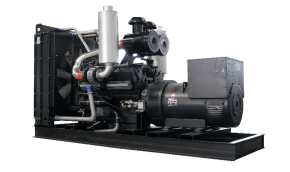
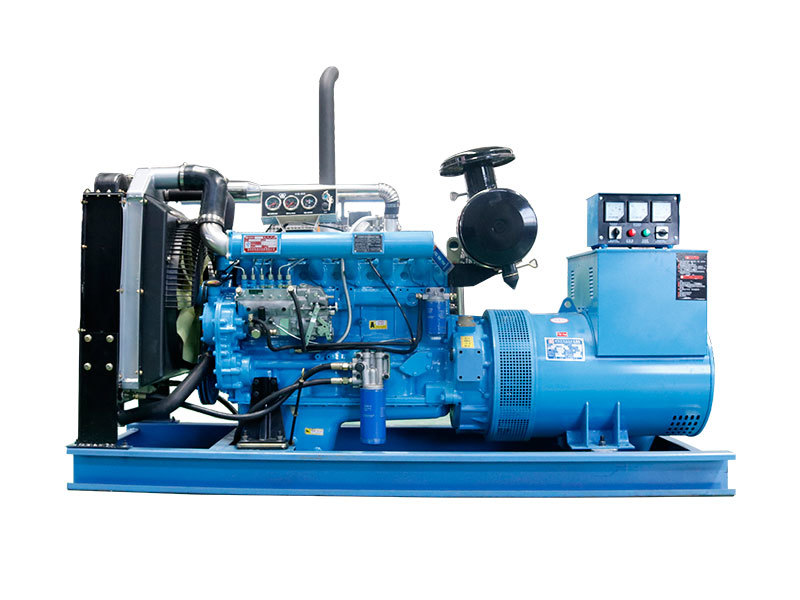
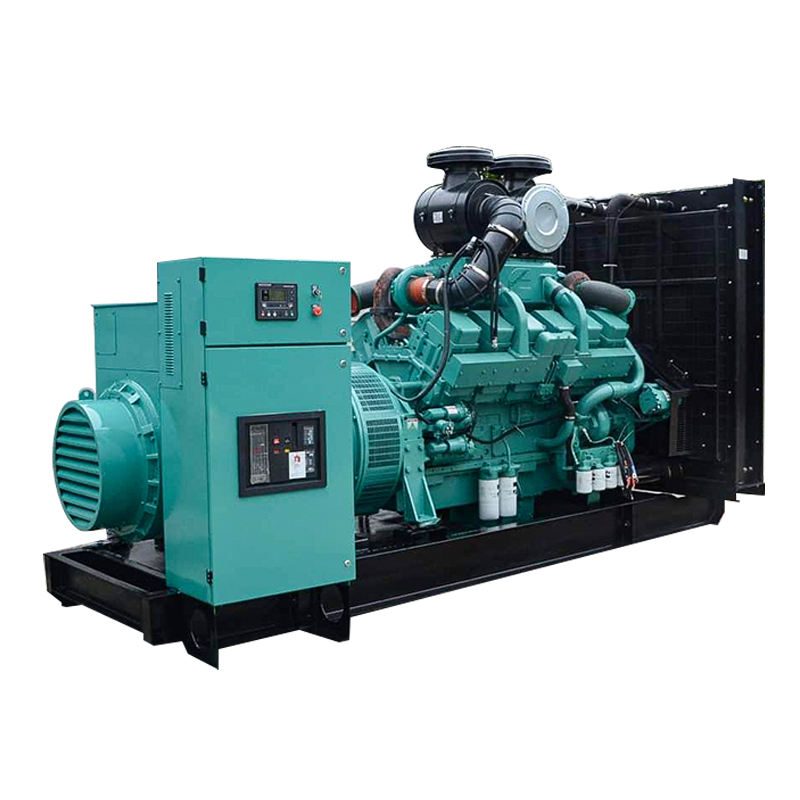
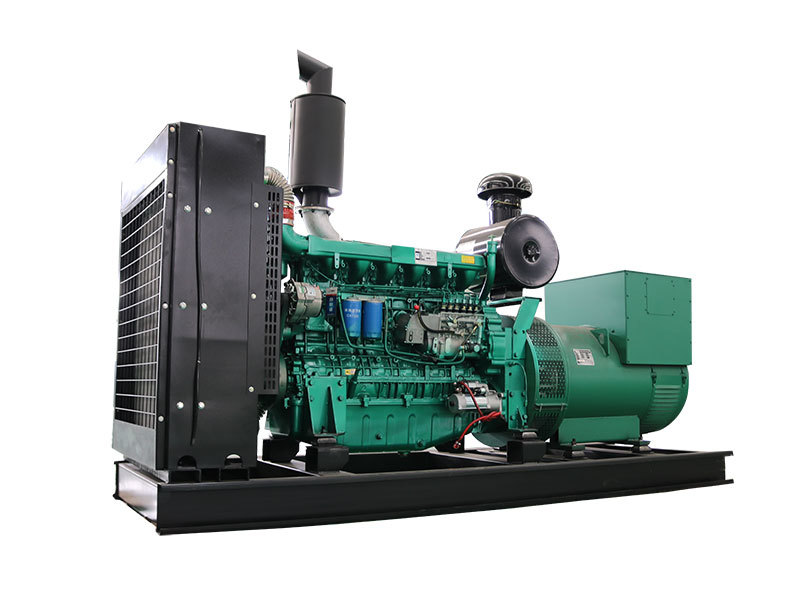
Diesel generators have long been the go-to for reliable, high-output power generation. They run on diesel fuel, a byproduct of petroleum refining. These engines are known for their robustness and longevity.Diesel engines are compression-ignition engines, meaning they ignite the fuel without a spark plug. This design contributes to their inherent efficiency and power density. They are often favored for their ability to deliver instant power and handle heavy loads, making them ideal for industrial applications, construction sites, and emergency backup for critical facilities like hospitals and data centers.
Natural Gas Generators: The Cleaner Alternative
Natural gas generators, as the name suggests, run on natural gas, a fossil fuel primarily composed of methane. They typically use spark-ignition engines, similar to those found in most cars.The primary advantage of natural gas generators often cited is their cleaner emissions profile compared to diesel. They produce significantly lower levels of particulate matter, sulfur dioxide, and nitrogen oxides. This makes them an attractive option for environmentally conscious users or in areas with strict emissions regulations. Furthermore, natural gas is often more readily available and can be less expensive than diesel, especially if a reliable natural gas line is accessible.
Performance and Power Output: Who Reigns Supreme?
When it comes to raw power and immediate response, diesel generators often have a slight edge. However, natural gas generators are catching up, and for many applications, the difference is negligible.Power Density and Load Acceptance
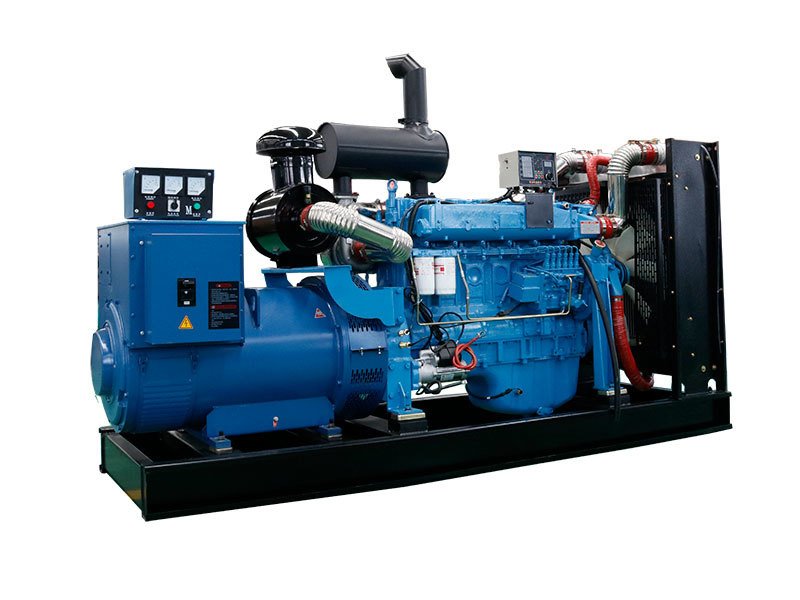
Diesel engines are renowned for their high power density, meaning they can produce a lot of power for their size. They also excel at accepting sudden, heavy loads. This "load acceptance" capability is crucial for applications where equipment is switched on and off frequently, causing significant power demands.In my experience, a diesel generator can often start up and immediately take on a substantial portion of its rated load without significant voltage or frequency dips. This is a critical factor for sensitive equipment.
Startup Time and Responsiveness
Both types of generators can be designed for quick startup, but diesel engines are generally considered more responsive to immediate power demands. Natural gas generators, especially those connected to a utility gas line, can also offer rapid startup, but the fuel delivery system might introduce a fractionally longer delay in some configurations.Interestly enough, advancements in natural gas generator technology are continuously improving their startup times and load-handling capabilities, making the gap narrower than it used to be.
Fuel Availability and Cost Considerations
The cost and availability of fuel are paramount when evaluating long-term operational expenses. This is where the diesel generator set vs. natural gas generator set comparison can become quite nuanced.Diesel Fuel: Storage and Accessibility
Diesel fuel is readily available globally and can be stored on-site in tanks. This makes diesel generators a reliable choice for remote locations or areas prone to fuel supply disruptions.However, storing diesel fuel requires careful management due to its shelf life and potential for degradation. Regular maintenance of stored fuel is essential to prevent issues like microbial contamination. The price of diesel can also be volatile, subject to global oil market fluctuations.
Natural Gas: The Utility Connection Advantage
Natural gas is typically supplied through a utility pipeline. If your property is connected to a natural gas line, it offers a continuous and often more stable fuel supply. This eliminates the need for on-site fuel storage and the associated maintenance.The cost of natural gas is generally more stable than diesel, although it can still fluctuate. For businesses or homes with existing natural gas lines, the installation and operational costs can be significantly lower. However, if a new gas line needs to be run to your property, the initial infrastructure cost can be substantial. Have you ever wondered about the cost implications of extending utility lines for power generation?
Environmental Impact and Emissions: A Growing Concern
In today's world, environmental considerations are no longer an afterthought. The emissions produced by generators are a significant factor in their selection, particularly for urban areas or eco-conscious operations.Diesel Emissions: The Downside
Diesel engines are known to produce higher levels of particulate matter (soot), nitrogen oxides (NOx), and sulfur dioxide (SO2) compared to natural gas engines. These emissions contribute to air pollution and can have adverse health effects.While modern diesel engines have advanced emission control technologies like diesel particulate filters (DPFs) and selective catalytic reduction (SCR) systems, they still generally have a larger environmental footprint than their natural gas counterparts.
Natural Gas Emissions: The Cleaner Choice
Natural gas generators burn cleaner, producing significantly lower amounts of harmful pollutants. They emit less CO2 per unit of energy produced compared to diesel, and virtually no particulate matter or sulfur dioxide.This cleaner burning profile makes natural gas generators a more attractive option for meeting stringent environmental regulations and for organizations committed to reducing their carbon footprint. It's worth noting that while natural gas is a fossil fuel, its lower emissions make it a transitional fuel towards even cleaner energy sources.
Maintenance and Lifespan: Long-Term Considerations
The longevity and maintenance requirements of a generator set are crucial for its total cost of ownership and reliability over time.Diesel Generator Maintenance
Diesel engines are built for durability and often have a longer overall lifespan than gasoline engines. However, their maintenance can be more intensive. Regular oil changes, filter replacements, and checks on the fuel system are essential.The robust construction of diesel engines means they can often withstand more hours of operation before requiring major overhauls. Many experts agree that a well-maintained diesel generator can last for tens of thousands of hours.
Natural Gas Generator Maintenance
Natural gas generators generally require less frequent maintenance than diesel units. Since natural gas burns cleaner, there is less carbon buildup, leading to fewer issues with engine components.Spark plugs in natural gas engines will need replacement, and air filters will require attention, but the overall maintenance schedule can be less demanding. The lifespan of a natural gas generator is comparable to a diesel unit, provided it is properly maintained and operated within its design parameters. I've found that the simplicity of the fuel system can sometimes translate to fewer potential points of failure.
Cost Analysis: Initial Investment vs. Operational Expenses
The financial aspect is often a deciding factor. Understanding the initial purchase price versus the ongoing fuel and maintenance costs is key to making an informed decision in the diesel generator set vs. natural gas generator set comparison.Initial Purchase Price
Generally, diesel generator sets tend to have a lower initial purchase price compared to natural gas generator sets of equivalent power output. This is partly due to the established manufacturing processes for diesel engines and their widespread adoption.However, the cost can vary significantly based on brand, features, and power rating. For natural gas generators, the cost can be influenced by the need for gas line infrastructure if one isn't already present.
Operational Costs: Fuel and Maintenance
This is where the picture can shift. While diesel fuel prices can be volatile, natural gas prices, especially when sourced from a utility line, are often more stable and can be lower per unit of energy.When you factor in the potentially lower maintenance needs of natural gas generators and the cost of fuel, the operational expenses over the lifespan of the unit can sometimes favor natural gas. It's a classic case of a higher upfront cost for natural gas potentially leading to lower long-term running costs.
Applications: Where Each Generator Shines
The intended use case is perhaps the most influential factor in determining whether a diesel or natural gas generator is the better fit.When to Choose a Diesel Generator
Remote Locations: Where utility gas lines are unavailable.
Heavy-Duty Industrial Use: Requiring high power output and excellent load acceptance.
Emergency Backup for Critical Infrastructure: Where absolute reliability and immediate power are non-negotiable (e.g., hospitals, data centers).
Mobile Power Needs: Construction sites, event power, or temporary installations where portability and self-sufficiency are key.
When to Choose a Natural Gas Generator
Residential Backup Power: Offering a cleaner and often quieter operation.
Commercial Buildings with Gas Lines: Leveraging existing infrastructure for cost savings.
Environmentally Conscious Operations: Meeting emissions standards and reducing carbon footprint.
Continuous or Prime Power Applications: Where a stable fuel supply is guaranteed and emissions are a primary concern.
Conclusion: Making Your Final Decision
Deciding between a diesel generator set and a natural gas generator set involves weighing several critical factors. The diesel generator set vs. natural gas generator set debate isn't about one being universally superior, but rather about identifying the best match for your unique circumstances. If your priority is raw power, immediate load handling, and the ability to operate independently of utility fuel lines, a diesel generator is likely your best bet. They are the tried-and-true workhorses of the power generation world. On the other hand, if you value cleaner emissions, potentially lower and more stable fuel costs (especially with an existing gas line), and reduced maintenance, a natural gas generator presents a compelling case. They are increasingly becoming the preferred choice for many residential and commercial applications focused on sustainability and long-term operational efficiency. Ultimately, a thorough assessment of your power requirements, budget, fuel availability, and environmental goals will guide you to the right decision. Consulting with a power generation expert can also provide invaluable insights tailored to your specific situation.For more detailed information, please visit our official website:diesel generator vs natural gas
About the author: Alex Chen is a seasoned power generation consultant with over a decade of experience advising businesses and homeowners on backup power solutions. His expertise spans a wide range of generator technologies, with a particular focus on the practical applications and long-term cost-effectiveness of diesel and natural gas systems. Alex is passionate about helping clients make informed decisions for reliable and efficient energy independence.