

Ensuring Uninterrupted Production: Essential Backup Power Solutions for Manufacturing
Views :
Update time : 2025-11-21
In the fast-paced world of manufacturing, downtime isn't just an inconvenience; it's a direct hit to the bottom line. Every minute a production line is halted due to a power outage translates into lost revenue, delayed orders, and potentially damaged client relationships. Frankly speaking, for many industrial operations, a reliable and robust backup power strategy isn't a luxury – it's an absolute necessity. This is where comprehensive backup power solutions for manufacturing come into play, offering a crucial safety net against the unpredictable nature of the power grid.
Have you ever wondered what happens behind the scenes when a factory loses power? It’s a cascade of potential problems, from spoiled materials and damaged equipment to the sheer cost of restarting complex machinery. Investing in the right backup power infrastructure is, therefore, a strategic decision that safeguards your entire operation.
The High Cost of Manufacturing Downtime
To be honest, the financial implications of power interruptions in a manufacturing setting are staggering. It’s not just about the immediate loss of production. Consider the ripple effects: * Lost Revenue: This is the most obvious cost. Every hour without power means no products are being made, and no sales are being generated. * Spoiled Materials and Work-in-Progress: Many manufacturing processes involve temperature-sensitive materials or continuous operations. A sudden power loss can ruin entire batches, leading to significant material waste. * Equipment Damage: Sensitive machinery, especially CNC machines, robotics, and specialized processing equipment, can be damaged by sudden power surges or abrupt shutdowns. Restarting these can be complex and costly. * Increased Labor Costs: While production is halted, skilled labor may still be on the clock, or overtime might be required to catch up once power is restored. * Reputational Damage: Consistently missing deadlines due to power issues can severely damage a manufacturer's reputation, leading to a loss of future business. * Safety Hazards: In some manufacturing environments, power outages can create immediate safety risks for workers. It's worth noting that the specific impact varies greatly depending on the industry. A food processing plant faces different challenges than an electronics assembly line, but the core vulnerability to power disruption remains.Understanding Key Backup Power Technologies
When we talk about backup power solutions for manufacturing, we're generally referring to a few core technologies, each with its own strengths and applications.Industrial Generators: The Workhorses of Backup Power
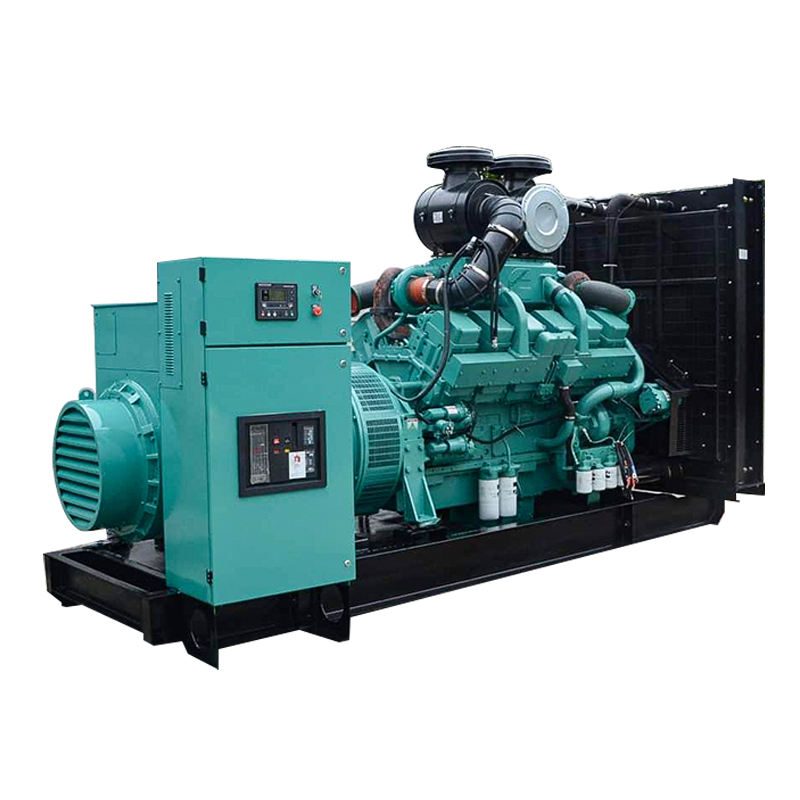
Generators are perhaps the most common and widely recognized form of backup power. They convert fuel (like diesel, natural gas, or propane) into electricity, providing a substantial power source for extended periods. * Diesel Generators: These are incredibly popular in industrial settings due to their reliability, durability, and power output. They are often the go-to choice for heavy-duty manufacturing operations. Diesel engines are known for their robust performance under load. * Natural Gas Generators: These offer a cleaner-burning alternative and can be connected directly to the utility gas line, eliminating the need for fuel storage. However, their performance can be affected by natural gas pressure fluctuations. * Propane Generators: A good option for locations where natural gas isn't readily available, propane offers good storage stability.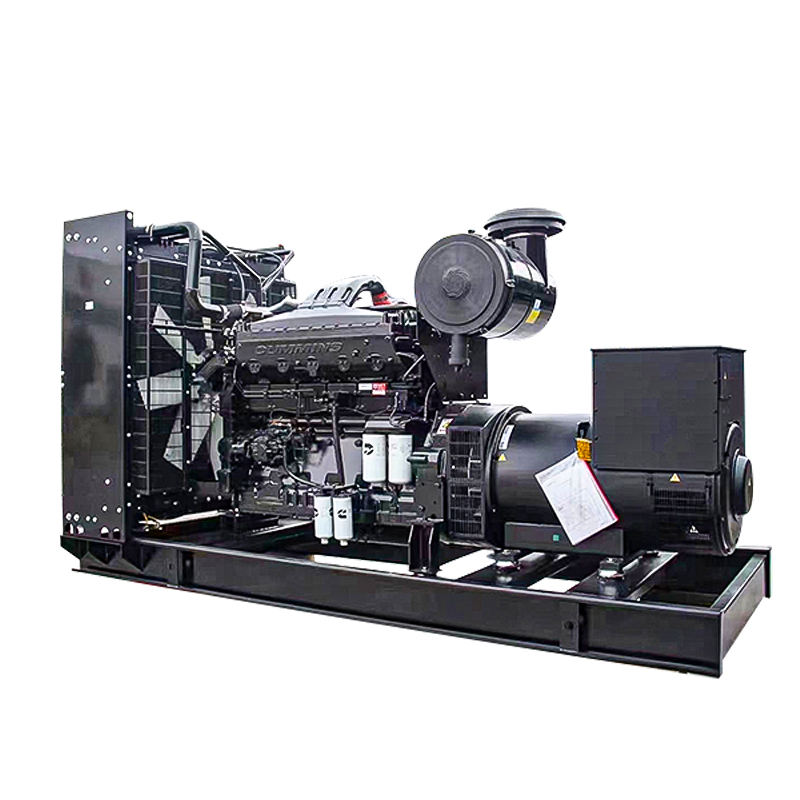
Uninterruptible Power Supply (UPS) Systems: Bridging the Gap
While generators are excellent for long-term power, they aren't instantaneous. This is where Uninterruptible Power Supply (UPS) systems shine. A UPS is essentially a battery backup system that provides immediate, clean power the moment the main power source fails. * Online/Double-Conversion UPS: These systems continuously convert incoming AC power to DC, then back to AC. This means the load is always powered by the inverter, providing the highest level of protection against all power disturbances, including sags, surges, and harmonics. They offer seamless transfer to battery power. * Line-Interactive UPS: These systems offer a compromise. They condition power and can correct minor voltage fluctuations, but they don't offer the same level of isolation as online systems. Transfer to battery is still very fast, but not instantaneous. * Standby/Offline UPS: These are the most basic and least expensive. They only activate when a power failure is detected, meaning there's a brief interruption as the system switches to battery power. These are generally not suitable for critical manufacturing loads. For manufacturing, especially for sensitive electronics, control systems, and IT infrastructure, a UPS is indispensable. It provides the crucial seconds or minutes needed for critical systems to shut down safely or for a generator to come online without interruption. Many facilities use a combination: UPS systems for immediate, short-term power to critical components, and generators for longer-term, higher-capacity needs.Strategic Planning for Manufacturing Power Continuity
Implementing effective backup power solutions for manufacturing isn't just about buying equipment; it's about strategic planning.Assessing Your Power Needs
The first step is a thorough assessment of your facility's power requirements. This involves: * Load Analysis: Identifying all critical equipment and their power consumption (in kW or kVA). This includes production machinery, HVAC systems, lighting, IT infrastructure, and safety systems. * Criticality Prioritization: Determining which systems are absolutely essential to keep running during an outage and which can be shut down. * Runtime Requirements: Estimating how long backup power will be needed. Is it just to bridge the gap to utility restoration, or for extended outages?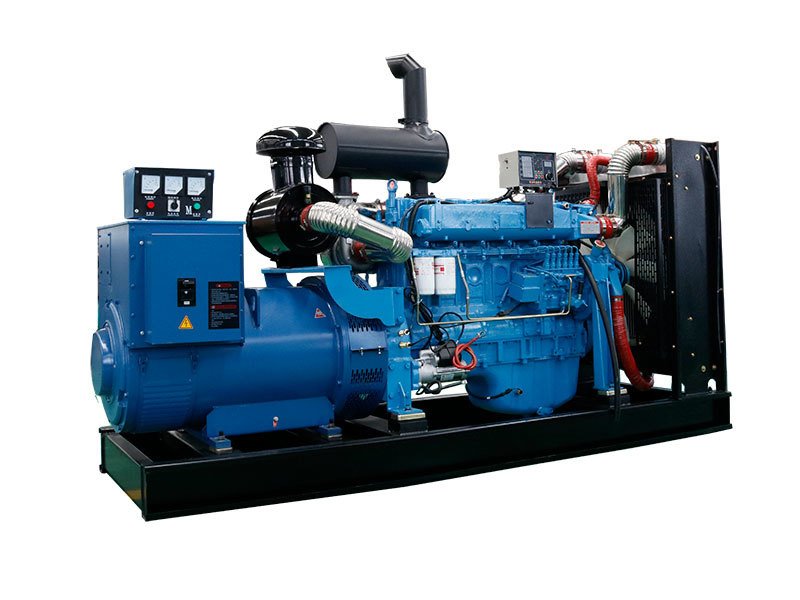
Designing a Hybrid Solution
Frankly speaking, a single solution rarely fits all manufacturing needs. Often, the most robust approach is a hybrid system: * UPS for Sensitive Electronics: Protecting PLCs, SCADA systems, robotics controllers, and server rooms from even micro-second interruptions. * Generators for Production Loads: Providing the substantial power required to keep assembly lines, furnaces, or heavy machinery operational. * Automatic Transfer Switches (ATS): These are crucial components that automatically detect a power outage and switch the load from the utility to the backup power source (generator or UPS) and back again when utility power is restored.Maintenance and Testing: The Unsung Heroes
It's one thing to install backup power; it's another to ensure it works when you need it most. Regular maintenance and testing are paramount. * Scheduled Maintenance: Generators require regular servicing, including oil changes, filter replacements, and battery checks. UPS systems need battery health monitoring and internal component checks. * Load Testing: Periodically running the generator under a significant load simulates real-world conditions and ensures it can perform as expected. * ATS Testing: Verifying that the automatic transfer switch operates correctly and reliably is critical for seamless transitions. Many experts agree that neglecting maintenance is one of the biggest mistakes manufacturers make with their backup power systems. A system that hasn't been tested in years is a gamble you don't want to take.Emerging Trends and Future Considerations
The landscape of backup power is continually evolving.Renewable Energy Integration
Increasingly, manufacturers are looking at integrating renewable energy sources like solar power with battery storage. While not always a primary backup solution for heavy industrial loads, these systems can supplement grid power, reduce energy costs, and provide a degree of resilience.Smart Grid Technology and Demand Response
As smart grids become more prevalent, manufacturers can leverage technologies that allow for better communication with the utility. This can enable participation in demand response programs, where facilities reduce their load during peak times in exchange for incentives, indirectly enhancing grid stability and potentially reducing the reliance on full backup power for non-critical loads.Modular and Scalable Solutions
The ability to scale backup power solutions as manufacturing needs change is becoming more important. Modular UPS systems and generators that can be easily expanded offer greater flexibility and a better return on investment over time.Choosing the Right Partner for Your Backup Power Needs
Selecting the appropriate backup power solutions for manufacturing is a complex decision that requires expertise. It’s not a one-size-fits-all scenario. Engaging with experienced power solution providers who understand the unique demands of industrial environments is crucial. They can help with: * System Design and Engineering: Tailoring solutions to your specific operational requirements. * Equipment Selection: Recommending the most suitable generators, UPS systems, and switchgear. * Installation and Commissioning: Ensuring a professional and safe setup. * Ongoing Support and Maintenance: Providing peace of mind through regular checks and prompt service. Investing in robust backup power is an investment in the continuity, profitability, and long-term success of your manufacturing operation. Don't wait for the next outage to realize its importance.For more detailed information, please visit our official website:backup power for manufacturing
About the author: A seasoned industrial engineer with over 15 years of experience in optimizing manufacturing operations, the author specializes in power systems and operational resilience. Their expertise lies in identifying vulnerabilities and implementing robust backup power solutions for factories, ensuring continuous production and mitigating costly downtime. They are passionate about helping businesses navigate the complexities of industrial power challenges.
Related News
2025 Power Grid Alert: How Facility Engi
Dec .11.2025
Discover actionable strategies for facility engine...
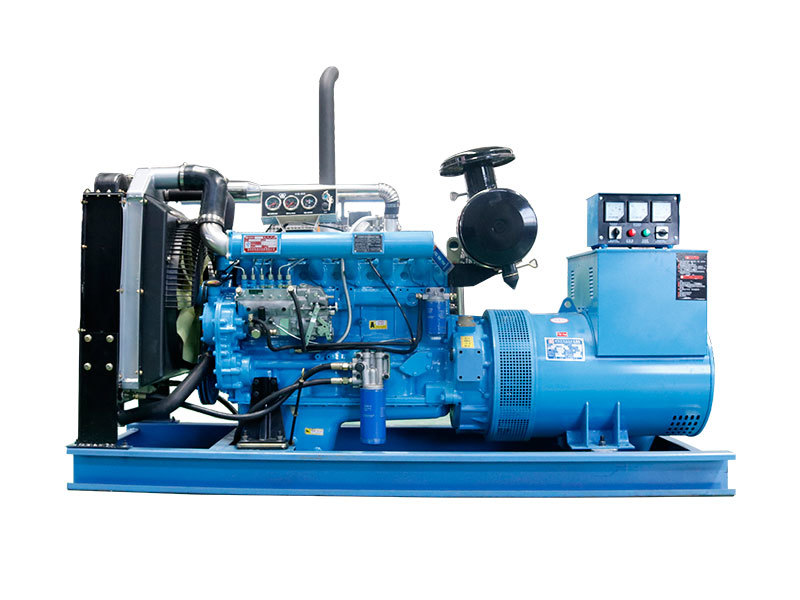
Top Diesel Genset Manufacturers in China
Dec .09.2025
Discover the top diesel genset manufacturers in Ch...
Genset 101: The Ultimate Guide to Unders
Dec .09.2025
Genset 101: The Ultimate Guide to Understanding, C...
Beyond the Box: How to Find a Reliable G
Dec .03.2025
Searching for a reliable generator set manufacture...