
Powering Possibilities: What is a Generator Set Used For?
Have you ever found yourself in a situation where the lights suddenly go out, or you're miles away from any electrical outlet, yet you need to power essential equipment? In these moments, the unsung hero is often a generator set. But what exactly is a generator set used for, and how does it provide that crucial power? Frankly speaking, understanding generator sets is key to appreciating their indispensable role in our modern lives, from keeping our homes comfortable during outages to fueling complex industrial operations.
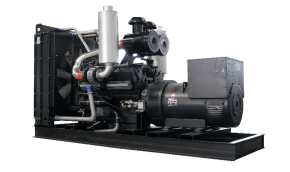
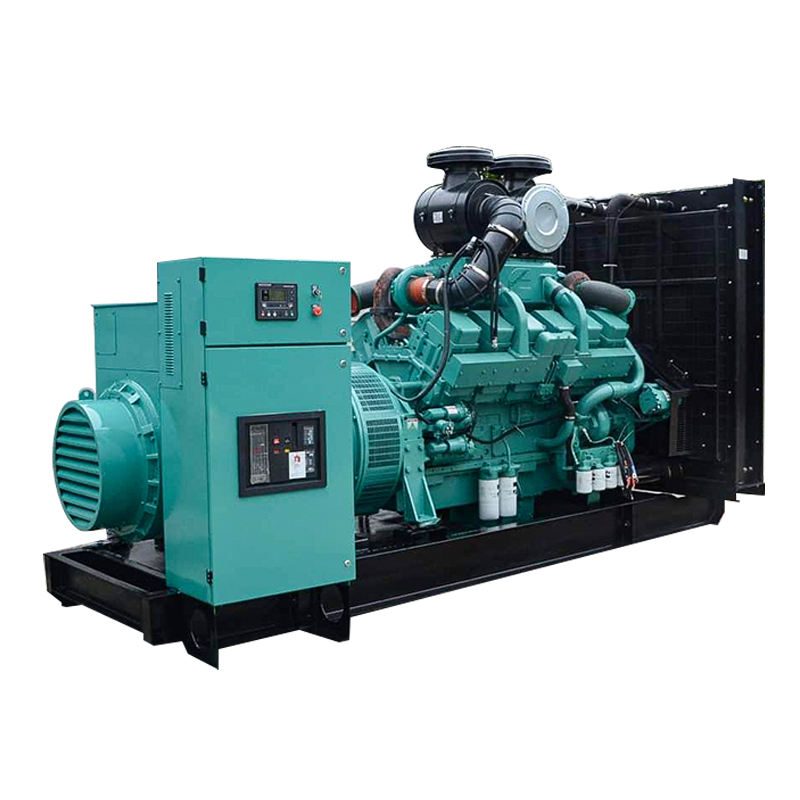
At its core, a generator set, often simply called a generator, is a self-contained unit that produces electricity. It's typically comprised of two main components: an engine (usually diesel, gasoline, or natural gas) and an alternator (which generates the electrical current). The engine drives the alternator, converting mechanical energy into electrical energy. This simple yet powerful principle allows us to have electricity wherever and whenever we need it. So, let's dive deeper into the myriad of applications that define what a generator set is used for.
Essential Backup Power: The Cornerstone of Generator Set Applications
Perhaps the most common and widely understood use of a generator set is for backup power. In many regions, power outages, whether due to severe weather, equipment failure, or other unforeseen events, are a reality. For homeowners, a standby generator set can mean the difference between a minor inconvenience and a significant disruption. It can keep refrigerators running, lights on, heating or cooling systems operational, and medical equipment functioning. This is particularly critical for individuals who rely on life-support systems or have vulnerable family members.
For businesses, the stakes are even higher. A prolonged power outage can lead to lost productivity, spoiled inventory (especially in food service or healthcare), data loss, and significant financial repercussions. This is where commercial generator sets become vital. They ensure that critical operations can continue uninterrupted, safeguarding businesses and their customers. I've seen firsthand how a well-maintained backup generator can save a business from catastrophic losses during a grid failure.
Residential Backup Power Solutions
For residential use, generators range from portable units that can power essential appliances to whole-house systems that automatically kick in during an outage. The decision often hinges on the specific needs of the household and the typical duration of local power interruptions. It's worth noting that the installation of a whole-house generator requires professional expertise to ensure safety and compliance with electrical codes.
Commercial and Industrial Backup Power
In the commercial and industrial sectors, the requirements are often more demanding. Hospitals, data centers, manufacturing plants, and emergency services rely heavily on uninterrupted power. These facilities often employ larger, more robust generator sets, sometimes with multiple units for redundancy, to handle significant electrical loads. The ability to maintain operations during grid downtime is not just a convenience; it's a necessity for safety and economic stability.
Powering Remote Locations and Off-Grid Living
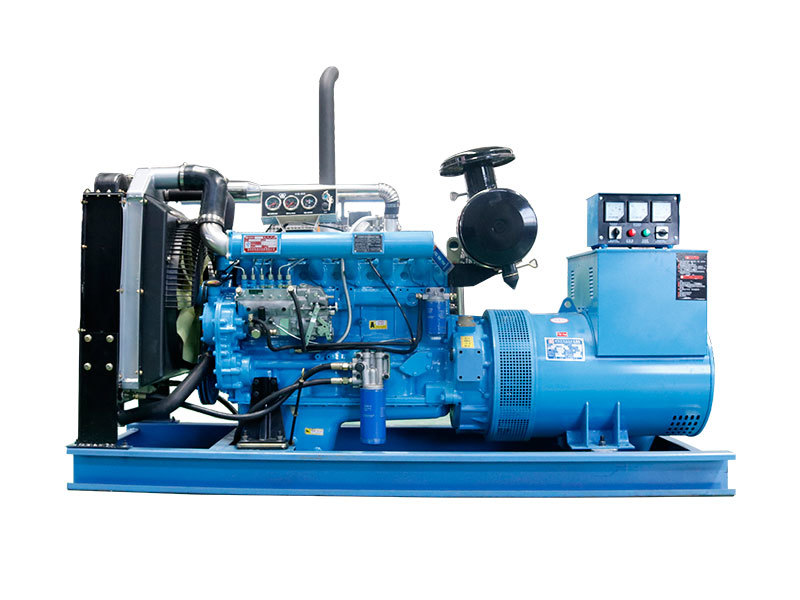
Beyond providing a safety net during outages, generator sets are fundamental to enabling life and work in locations where grid electricity is unavailable or impractical. This is a significant part of what a generator set is used for in many parts of the world. Think about remote construction sites, rural farms, research outposts in extreme environments, or even luxury cabins nestled deep in the wilderness. In these scenarios, a generator set is not a backup; it's the primary source of power.
Portable generators are incredibly versatile for these applications. They can power tools, lighting, communication equipment, and temporary living quarters on construction sites. For farmers, they might run irrigation pumps or power machinery in fields far from any utility lines. The advent of more fuel-efficient and quieter generator models has made off-grid living more feasible and comfortable than ever before.
Construction Site Power
Construction projects, by their very nature, often begin in areas with no existing power infrastructure. Generator sets are indispensable for powering everything from concrete mixers and power saws to site offices and lighting. The portability of many generator models allows them to be moved as the project progresses, ensuring continuous power supply.
Rural and Agricultural Applications
In rural settings, generators can be a lifeline for farms. They can power water pumps for irrigation, run milking machines, operate grain dryers, and provide electricity for barns and outbuildings. This independence from the grid allows for greater operational flexibility and resilience.
Recreational and Emergency Preparedness
For recreational enthusiasts, portable generators are a staple for camping, RVing, and tailgating, providing power for lights, cooking appliances, and entertainment. They are also a key component of emergency preparedness kits for individuals and communities, ensuring essential functions can be maintained even if the grid is down for an extended period.
Industrial and Commercial Operations: Keeping the Wheels Turning
In the realm of industry and large-scale commerce, the uses for generator sets expand significantly. They are not just for backup but are often integrated into the primary power strategy for specialized operations. This is a critical aspect of what a generator set is used for in sectors demanding high reliability and specific power quality.
Consider large manufacturing facilities that require a consistent and stable power supply to operate complex machinery. Fluctuations in voltage or frequency can damage sensitive equipment or halt production. Generator sets, especially those designed for industrial use with advanced voltage regulation and frequency control, can provide the clean, stable power required.
Data Centers and IT Infrastructure
Data centers are the backbone of our digital world, and they require an absolutely uninterrupted power supply. Even a momentary lapse can result in catastrophic data loss and service disruption. Large-scale generator sets, often running on natural gas or diesel, are a standard feature in data center design, providing immediate power transfer upon grid failure. Many experts agree that robust generator solutions are non-negotiable for IT infrastructure.
Telecommunications and Broadcasting
Cell towers, radio stations, and television broadcast facilities also depend on continuous power to maintain communication networks. Generator sets ensure that these vital services remain operational, especially during emergencies when communication is most critical.
Mining and Oil & Gas Operations
In remote mining sites or offshore oil rigs, grid power is often non-existent. Generator sets are the primary power source, driving heavy machinery, powering drilling equipment, and supporting the living quarters of the workforce. These are typically massive, powerful units designed for extreme conditions and continuous operation.
Specialized Applications and Temporary Power Needs
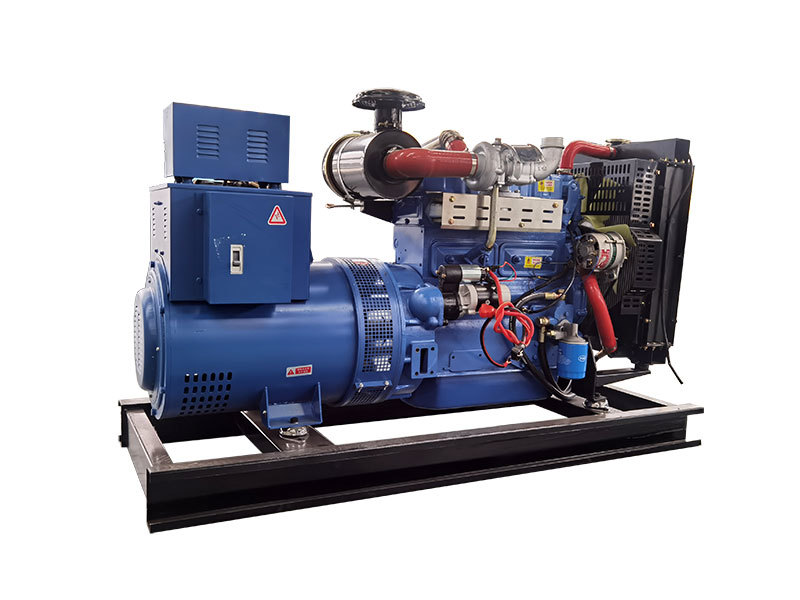
The versatility of generator sets extends to a wide array of specialized and temporary power needs. This showcases the adaptability that defines what a generator set is used for in diverse scenarios. From powering large events to providing electricity for emergency response efforts, generators fill critical gaps.
Large outdoor events, such as concerts, festivals, and sporting events, often require significant amounts of temporary power for lighting, sound systems, staging, and concessions. Mobile generator units can be deployed to provide this power exactly where it's needed, offering flexibility and independence from local grid limitations.
Emergency Response and Disaster Relief
In the aftermath of natural disasters, when the grid may be severely damaged or completely inoperable, generator sets are crucial for emergency response. They can power field hospitals, communication centers, water purification systems, and temporary shelters, providing essential services to affected populations. The rapid deployment of generators is a key element in disaster relief efforts.
Temporary Power for Events and Film Production
The entertainment industry, particularly film and television production, relies heavily on generators. They provide power for lighting rigs, cameras, sound equipment, and production trailers, often in locations where access to grid power is limited or impossible. The ability to control power quality and availability is paramount for these productions.
Portable Power for Hobbies and DIY Projects
On a smaller scale, portable generators are invaluable for DIY enthusiasts and hobbyists. Whether it's powering tools in a backyard workshop, running equipment for outdoor projects, or even charging electric vehicles in an emergency, these smaller units offer significant convenience and utility.
Choosing the Right Generator Set: Key Considerations
Given the diverse applications, it's clear that understanding what a generator set is used for is only the first step. The next crucial step is selecting the right type and size of generator for your specific needs. This involves careful consideration of several factors.
Firstly, you need to determine the total power requirement. This involves calculating the wattage of all the appliances and equipment you intend to power simultaneously. It's always advisable to add a buffer of 20-25% to account for starting surges, especially for motors.
Fuel Type and Availability
The choice of fuel (gasoline, diesel, propane, natural gas) significantly impacts operational costs, emissions, and storage requirements. Diesel generators are known for their durability and fuel efficiency, making them popular for industrial applications. Gasoline generators are often more affordable and portable, suitable for home backup or recreational use. Natural gas generators offer convenience if a natural gas line is available, with lower emissions but potentially less portability.
Power Output and Capacity
As mentioned, matching the generator's power output (measured in watts or kilowatts) to your load is critical. An undersized generator will struggle and potentially be damaged, while an oversized one can be inefficient and costly.
Portability vs. Stationary Installation
Will you need to move the generator frequently, or will it be permanently installed? Portable generators are lightweight and designed for mobility, while standby generators are stationary units that are permanently wired into your electrical system.
Noise Levels and Emissions
For residential use or in noise-sensitive areas, the noise level of a generator is an important consideration. Inverter generators are typically much quieter than conventional generators. Emissions are also becoming an increasingly important factor, with many modern generators designed to meet stricter environmental regulations.
Ultimately, the question of "What is a generator set used for?" opens up a world of possibilities, highlighting their role as essential enablers of modern life, industry, and resilience. Whether you need backup power for your home, electricity for a remote job site, or a reliable power source for critical infrastructure, there's a generator set designed to meet that need.
For more detailed information, please visit our official website:generator set uses
About the author: Alex Chen is a seasoned electrical engineer with over a decade of experience in power generation and distribution systems. He specializes in advising businesses and homeowners on selecting and implementing reliable backup power solutions. Alex is passionate about ensuring energy independence and operational continuity through smart generator technology.